Authentic Cambodia Travel Experiences: A Journey Beyond the Angkorian Temples
The towering spires of Angkor Wat are often the first thing people think of when planning a trip to Cambodia, but there's a lot more to the country than just the temples. With international visitor numbers seeing a 44.8% decrease in the first quarter of 2026, there's an opportunity to seek out authentic Cambodia travel experiences away from the usual bustle. This article explores how to engage with local artisans and understand the historical context of the Mekong through peaceful, unhurried exploration. We'll look at the nuances of the landscape and the stories of the people who call these banks home, offering a perspective that values substance over spectacle.
Beyond the Stone Sentinels: Travel in Cambodia
To understand Cambodia, one must look past the silent stone visages of the Bayon. While the temples are a testament to a glorious past, authentic Cambodia travel experiences are found in the living, breathing present. It's about the smell of woodsmoke at dawn and the sound of children laughing from stilted houses. It's the connection to people and heritage that defines a journey of substance.
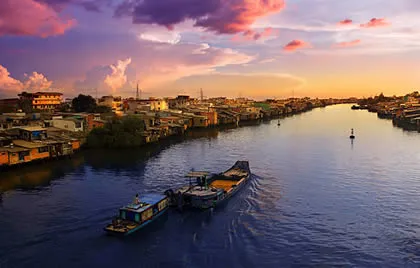
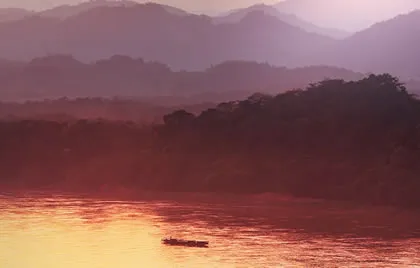
The lifeblood of this nation isn't found on a map of paved roads. For centuries, the Mekong River has served as the primary artery for trade, culture, and survival. It's a waterway that carries the weight of history, from the ancient Khmer empire to the colonial era. Life here is dictated by the rise and fall of the water. This seasonal pulse shapes everything from rice harvests to spiritual festivals.
At Pandaw, we believe in the concept of slow travel. This isn't just about speed; it's about respect. It means taking the time to sit with a silk weaver in a riverside hamlet or watching a fisherman cast his net into the golden evening light. This unhurried approach allows for an intimacy that mass tourism cannot provide. It transforms a trip into an expedition, much like those offered on The Classic Mekong route, where the focus remains on the stories of the river.
The Allure of the Lesser-Visited
Memory often resides in the places where the road ends. In villages accessible only by water, interactions remain natural and unscripted. You won't find choreographed performances for crowds here. Instead, you'll find the quiet dignity of daily life. This includes:
-
Artisans practicing crafts passed down through generations.
-
Monks gathering morning alms in villages where time seems to have slowed.
-
Local markets serving the needs of the community rather than the demands of tourism.
These moments offer a window into a culture that exists independently of the Angkor bubble. When travel is stripped of its crowds, the resulting connections are far more profound and lasting.
The Mekong as a Cultural Artery: Accessing the Cambodian Interior
The Mekong is far more than a backdrop; it's a historical highway that has shaped the Khmer identity for over a millennium. From the grand expansion of the Khmer Empire to the era of French colonial exploration, this river has been the primary route for trade and cultural exchange. Today, it remains the lifeline of Southeast Asia, providing a universal pathway that reaches where roads often cannot. For travelers seeking authentic Cambodia travel experiences, the river is the solution.
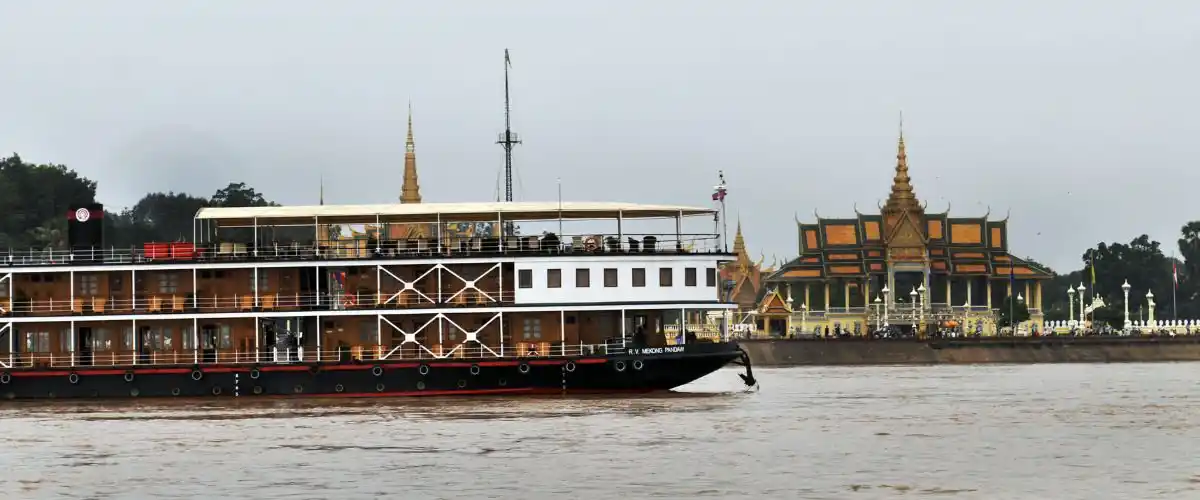
The transition as you move away from the capital is striking. You leave the bustling markets and French-influenced architecture of Phnom Penh, watching the landscape soften into tranquil floodplains. To reach the most secluded areas, specialized shallow-draft vessels are required. These ships allow for navigation into the heart of the Tonle Sap river system. This unique access is a hallmark of The Classic Mekong expedition, which follows ancient trade routes into the Cambodian interior. These unhurried encounters are the cornerstone of authentic Cambodia travel experiences, allowing for a depth of understanding that hurried tours overlook. If you're looking for a deeper connection, consider exploring river expeditions from Saigon to Phnom Penh to see the country from its most vital artery.
Life on the Water
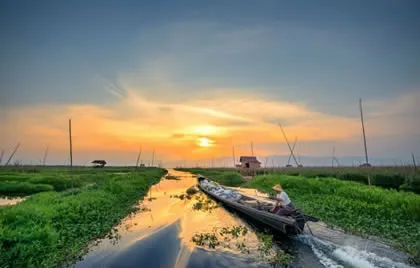
In rural Cambodia, the river dictates the calendar and the architecture. Stilted houses rise high above the banks, a practical response to the seasonal rise and fall of the water. In the floating villages of the Tonle Sap, entire communities exist in a state of perpetual motion, shifting their homes to follow the retreating shoreline. This cycle governs the seasons of fishing and agriculture. When the river's flow reverses during the monsoon, it brings a surge of nutrients that sustains the land and its people, creating a rhythm of life that hasn't changed in centuries.
A Curation of Local Encounters Along the Waterways
Away from the metallic hum of the cities, the riverbanks reveal a tapestry of heritage that remains largely untouched. In towns like Kratie and Kampong Cham, the French Quarter still whispers of a colonial past through its weathered shutters and yellow-washed walls. These riverside settlements serve as gateways to authentic Cambodia travel experiences, where the architecture tells a story of trade and transition. Even the Royal Palace in the capital, with its Silver Pagoda, showcases an artistic legacy that predates the modern era, housing treasures that survived decades of upheaval. These sites offer a perspective on the country's evolution, far removed from the polished tropes of the cruise industry.
Spiritual Traditions and Monk Blessings
Spirituality in Cambodia isn't a performance; it's a daily practice. At the Oudong monastery, the former royal capital, the air is heavy with incense and the low chant of prayers. A monk blessing here is a profound moment for many visitors. It's a quiet exchange that offers a deeper look at the country's religious history. These remote wats provide a sanctuary where travelers can observe Theravada Buddhist traditions without the interference of large tour groups. Engaging with these spiritual roots helps you understand the resilience and grace of the Khmer people.
Traditional Crafts and Living History
The island of Chong Koh is a center for Khmer silk production. Here, the clatter of wooden looms provides a steady rhythm to village life. You can witness the intricate process of silk weaving, a craft passed through generations of families who live along the riverbanks. This focus on local craftsmanship is part of why the country was recognized for responsible and sustainable tourism in 2026. Supporting these artisans through direct engagement ensures that these skills continue to thrive. It’s an unscripted interaction that brings you closer to the people behind the art, emphasizing stories over spectacle.
To experience these cultural intersections for yourself, consider the Deeper and Further on the Mekong River expedition, which focuses on these remote riverside communities.
Stepping Into the Living History of the MekongCambodia's allure extends far beyond the stone monuments of its ancient kings. By embracing the rhythm of the river, you step into a world of stilted villages and spiritual traditions that define the modern Khmer soul. These authentic Cambodia travel experiences are found in the quiet clatter of a silk loom and the low chant of a monastery at dawn, offering a connection to the land that remains remarkably intact.
Since 1995, Pandaw Cruises has pioneered these river expeditions, utilizing handcrafted teak and brass vessels that serve as a bridge to remote communities where larger ships cannot venture. With expert local guides who possess deep regional knowledge, every journey becomes a story of discovery rather than just a tour. It's about finding the romance of travel from an earlier era while respecting the rhythms of the present.
Explore our handcrafted Cambodia river expeditions and find a deeper connection to this storied waterway. We look forward to welcoming you on board for a journey of sincere discovery.
Frequently Asked Questions
What is the best time of year for a Mekong River cruise through Cambodia?
The most favorable time for a river expedition is during the dry season, which typically runs from October to March. During these months, the weather is cooler, and the skies are clear, making it ideal for shore excursions and village walks. If you wish to experience the full navigational range of the river, the high water season in October allows our shallow-draft vessels to reach deeper into the Tonle Sap system.
How can I ensure my travel to Cambodia is culturally respectful?
Seeking authentic Cambodia travel experiences requires a commitment to local etiquette and mindful interaction. You should always ask permission before taking photographs of people, especially monks or children. Supporting local artisans directly in their villages, rather than buying mass-produced items in city markets, ensures your visit benefits the community. A quiet, observant presence is always preferred over loud or intrusive behavior in sacred or communal spaces.
What should I wear when visiting Cambodian temples and monasteries?
Modesty is essential when entering any religious site, including active monasteries and ancient temple complexes. You must ensure that both your shoulders and knees are covered; a light cotton shirt and long trousers are practical choices for the tropical climate. It's customary to remove your shoes and hat before entering a pagoda or a private home.
Are these remote river experiences suitable for travelers with limited mobility?
Navigating remote riverbanks involves certain physical challenges, such as using gangplanks or walking on uneven village paths. Our colonial-style ships are designed for historical authenticity and don't feature elevators. Travelers with limited mobility should check specific itinerary details and consult with our team regarding the level of activity involved. While we strive for comfort, the nature of expedition travel often requires a degree of physical flexibility for shore excursions.
How does a small-ship expedition differ from a standard river cruise?
A small-ship expedition prioritizes discovery and cultural immersion over the programmed entertainment found on larger vessels. Our shallow-draft ships can access secluded reaches of the river that are unreachable for standard cruise ships. With a high crew-to-guest ratio and a focus on immersion, the atmosphere is one of a private club rather than a mass-market tour.