Ganges River Cruise: An Expedition Through India’s Spiritual Heart
If you want to experience India beyond its busy cities and crowded train stations, look no further than its golden rivers at dawn. Many travelers feel overwhelmed by the challenges of land travel and worry they’ll only see the surface-level, tourist‑heavy version of the country. A Ganges River cruise offers a completely different pace: slow, steady, and shaped by the river itself. With a shallow‑draft vessel, you can reach secluded villages and old colonial towns that larger ships can’t access.
This article will help you understand the different sections of the Ganges so you can choose the best time and route for your journey. You’ll get a clear sense of the river’s character while learning about the history, culture, and spiritual traditions found along these ancient trade routes.
The Sacred Geography of a Ganges River Expedition
A Ganges river cruise isn't a single path but a dual-system journey through the heart of Bengal and Bihar. It weaves together the Hooghly, or the Lower Ganges, with the vast main spiritual artery of the Ganges River. For centuries, these waterways have served as the lifeblood of Indian civilization. They connect ancient spiritual centers with the faded grandeur of colonial trading posts. As you depart from the bustling riverside of Kolkata, the landscape shifts. The urban energy fades into the tranquil, mist-covered rural horizons of Bihar. It's a slower, more deliberate pace that mirrors the flow of the water itself.
The Hooghly: A Gateway to Colonial and Silk Heritage
The Hooghly River preserves the 18th-century heritage of the Nawabs of Bengal alongside remnants of European trading settlements. French, Dutch, and Danish outposts once lined these banks, creating a unique architectural tapestry. In riverside artisan villages, tradition remains the primary currency. You'll find communities specializing in brass-making and intricate silk-weaving, largely untouched by the pressures of modern tourism.
The Main Stream: Journeying Toward the Holy City
Venturing further inland, the spiritual gravity of the main Ganges stream becomes palpable as the vessel moves toward Patna and the sacred reaches near Varanasi. This stretch reveals layers of history that predate the colonial era. You'll encounter the Mughal ruins at Rajmahal, where stone arches overlook the water, and pass near the Buddhist heritage sites of Bodh Gaya. The river here is wide and powerful, carrying the stories of empires and pilgrims alike.
Navigating the Waterways: From the Hooghly to the Holy Ganges
Planning a Ganges River cruise requires an understanding of how the river's pulse changes with the seasons. Expedition routes are defined by the interplay between the Lower and Upper Ganges, where water levels dictate the depth of access to India’s spiritual core. Shore excursions bring this Sacred Geography of the Ganges to life through tactile encounters. You might find yourself on a rickshaw navigating the narrow lanes of temple towns or walking along riverbanks teeming with daily life. Key landmarks punctuate the journey, such as the 108 terracotta temples of Kalna or the imposing Hazarduari Palace in Murshidabad, with its thousand doors and historical treasures.
Choosing Your Route: Lower, Upper, or Full Ganges
Deciding on a route depends on your historical interests. The Lower Ganges focuses on colonial narratives and artisan traditions, while the Upper Ganges delves into spiritual gravity and Mughal relics. For those who wish to see the entire navigable length, the All Ganges River Cruise offers a full-length expedition.
The primary cruising window runs from October to April. During these winter months, the air is cool, allowing for long days of exploration without the intensity of the Indian summer. The landscape undergoes a dramatic shift during the monsoon-fed months, when the rising river transforms the banks and covers the sandbars. The golden light of the winter months creates a soft, atmospheric glow that is perfect for photography and quiet observation from the ship's promenade. If you're ready to explore these waterways, you can view our full range of river expeditions to find the right timing for your journey.
The Art of the Expedition: Small Ships and Cultural Intimacy
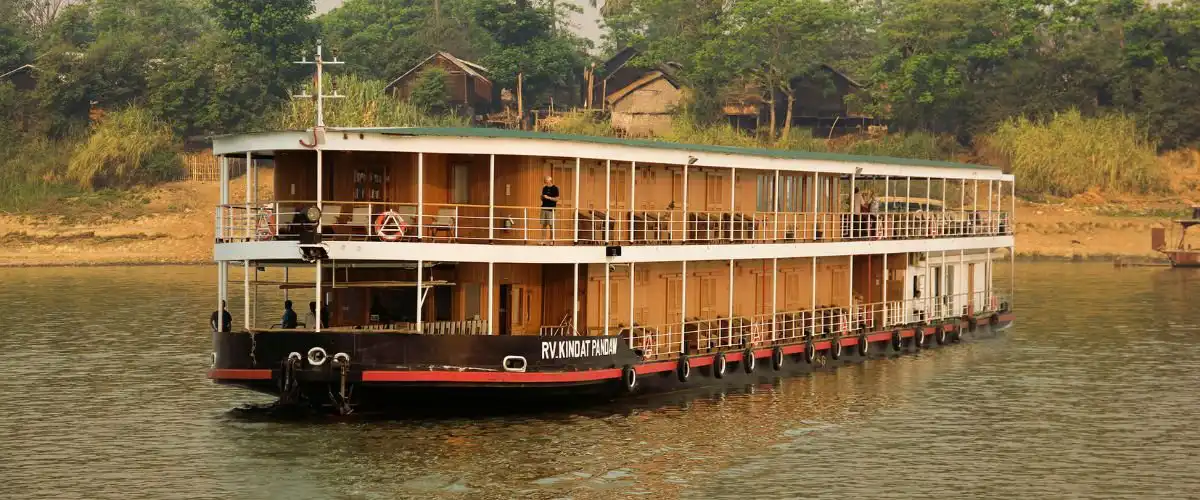
A Ganges river cruise with Pandaw departs from the traditional model of large-scale cruising. Instead of floating hotels that isolate travelers from their surroundings, these vessels serve as intimate platforms for discovery. The technical design of the fleet is critical to a successful Ganges River cruise as shifting sandbanks and shallow channels characterize the Ganges, making specialized shallow-draft vessels a navigational necessity. This unique capability allows for access to remote villages and smaller heritage sites that remain unreachable for larger ships, ensuring a closer connection to the river's heart.
Charting Your Path Through India’s Sacred Waterways
A Ganges river cruise is far more than a holiday; it's a slow-paced immersion into the stories that have shaped the subcontinent. You've seen how the distinction between the Hooghly and the mainstream offers different layers of history, from colonial trade to ancient spiritual devotion.
Since 1995, Pandaw Cruises has operated as a pioneering river expedition expert in Southeast Asia and India, prioritizing authentic cultural encounters over mass-market spectacle. Our handcrafted teak and brass small ships provide a refined base for exploration, while our expert local guides offer deep regional knowledge that brings every riverside village to life. This combination of heritage design and specialized navigational capability ensures that the most remote temples and vibrant traditions remain accessible.]
We invite you to explore our Ganges River Expeditions and discover the quiet beauty of the river for yourself.
Frequently Asked Questions
When is the best time of year for a Ganges River cruise?
The winter months from October to April offer the most comfortable climate for an Indian river expedition. During this window, the air is cool and dry, making shore excursions to ancient temples and artisan villages much more pleasant. The river is usually calm, and the soft morning light provides ideal conditions for deck-side observation and photography. You'll avoid the intense heat and heavy rains that characterize the summer monsoon season.
What is the difference between the Ganges and the Hooghly River?
The Hooghly River is the lower distributary of the Ganges that flows through West Bengal and Kolkata, characterized by its rich 18th-century colonial heritage. In contrast, the main stream of the Ganges further inland carries a deeper spiritual gravity and passes through more rural landscapes. Most expeditions weave these two systems together, transitioning from the European trading posts of the Hooghly to the ancient spiritual centers of Bihar.
What should I pack for an Indian river expedition?
Pack lightweight, breathable clothing that respects local customs, particularly when visiting sacred temples where modest attire is required. Sturdy walking shoes are essential for exploring riverbanks and rural villages. You'll also want to include sun protection, a light jacket for cooler winter evenings on deck, and binoculars to spot the diverse birdlife and the occasional river dolphin. Don't forget a camera to capture the atmospheric morning mist.