The Mekong River Cruise Checklist: Preparing for an Authentic River Expedition
Many travelers worry that a Mekong river cruise has become a series of staged performances and crowded ports. It's a natural concern when the modern industry often favors scale over soul. You're likely looking for something different: a journey that feels like a quiet discovery rather than a programmed vacation.
This checklist helps you prepare for a river expedition that prioritizes remote access and cultural depth. We'll guide you through the nuances of selecting a vessel with heritage and craftsmanship, while clarifying the logistical hurdles that often cause anxiety. Whether it's understanding why a Cambodian e-visa won't work for river entry from Vietnam or navigating the seasonal shifts of the Upper Mekong, we've gathered the necessary details. You'll learn how to move beyond the tourist traps to find intimate interactions with local communities and a travel experience rooted in history.
The Soul of the Mekong: Defining Your Expedition Perspective
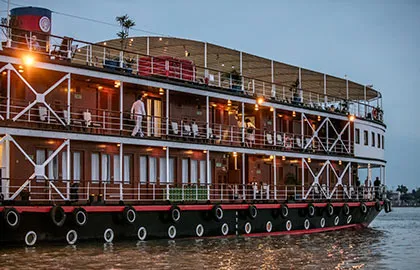
The Mekong River is far more than a geographical feature; it is the living history of the Khmer and Vietnamese civilizations. Along its banks, the past isn't confined to textbooks but lives in the rhythm of daily life and the enduring traditions of riverbank villages. Choosing a Mekong River cruise means deciding how you wish to witness this narrative. While many modern operators offer ships that insulate guests from their surroundings, a true river expedition prioritizes the story of the place itself. It's about the romance of travel from an earlier era, drawing on the heritage of the Irrawaddy Flotilla Company to create a sense of timelessness. A Mekong expedition is a journey of cultural immersion facilitated by specialized vessel design.
The Heritage of the River
These waters once served as vital colonial trade routes, and that history remains etched into the landscape. To maintain an atmospheric continuity with the past, we rely on handcrafted vessels that reflect a specific maritime tradition:
-
Hand-finished teak and brass fittings that evoke a bygone era
-
Shallow drafts designed for access to remote riverbanks
-
An open-deck policy that encourages connection with the landscape
With a smaller passenger count, the experience becomes one of quiet intimacy. You'll find that fewer people on board allows for more meaningful interactions with local communities, as our arrival is a gentle event rather than an overwhelming intrusion.
Choosing Your Route
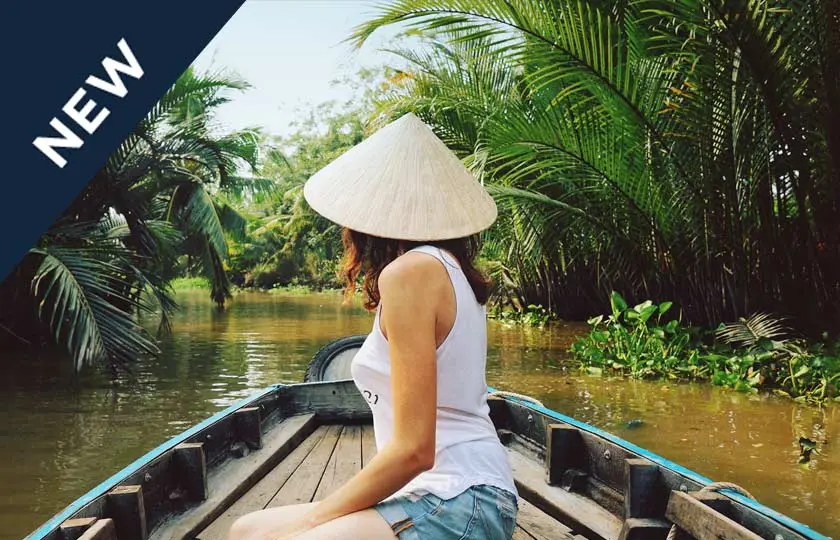
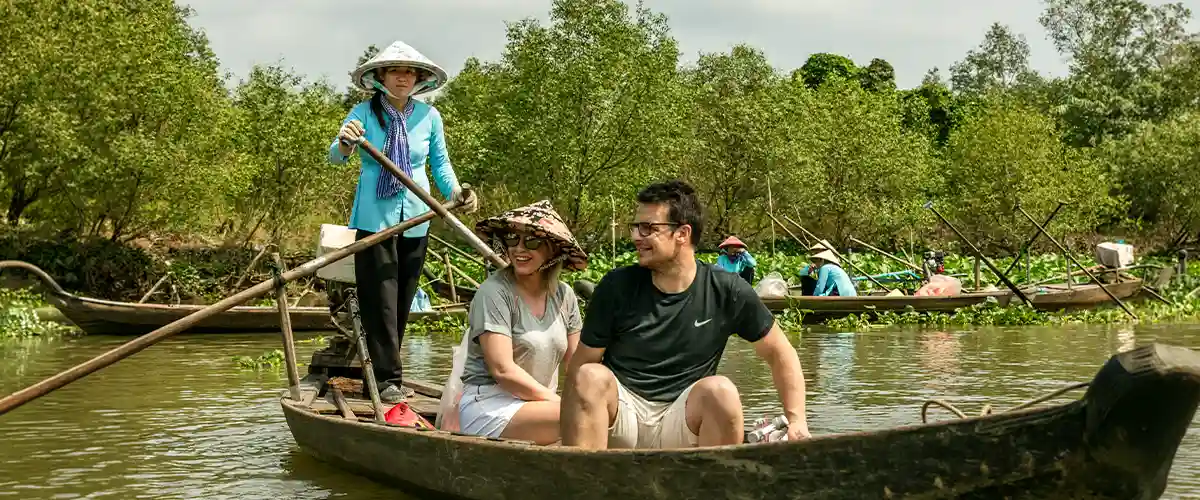
The character of the river shifts dramatically as you move through its reaches. When planning a Mekong River cruise, the choice between the Delta in the south and the Upper Mekong connecting Laos and Thailand is paramount. The Delta offers a bustling landscape of floating markets and intricate canals, while the Upper Mekong reveals a slower pace of life amidst dramatic natural beauty. For those seeking a deeper understanding of these varied landscapes, the Classic Mekong itinerary provides a thoughtful framework for exploring both Vietnam and Cambodia. Understanding these distinctions is the first step in ensuring your journey aligns with your desire for discovery.
Vessel Architecture: A Checklist for Remote Access
Vessel architecture determines the depth of your discovery. While many modern ships prioritize onboard amenities, the most rewarding Mekong river cruise is defined by its ability to navigate the river's more challenging reaches. A shallow draft is the primary rule for any authentic expedition. Ships that sit high in the water can reach remote villages and narrow tributaries that larger, deeper vessels must bypass. This technical capability is vital for navigating the Tonle Sap and smaller river systems where water levels fluctuate throughout the year.
Data from the Mekong River Commission highlights the seasonal rhythms that govern these waters. To respect these cycles, a specialized vessel design is required. Beyond navigation, the choice of materials plays a significant role in the travel experience. The scent of teak and the gleam of hand-polished brass create a psychological shift, moving the traveler away from the sterile feel of a modern hotel and toward the romance of a colonial-era expedition. This atmosphere is complemented by an absence of distraction. You won't find loud entertainment programming or large-scale shows here. Instead, the focus remains on the quiet landscapes and the golden light of the river at dusk.
Why Size Matters on the Mekong
Navigating the narrow channels of the Delta requires a specific scale. A boutique vessel with 20 to 30 cabins offers an intimacy that 100-passenger river liners cannot match. These smaller ships can moor alongside local villages, allowing for spontaneous interactions that feel personal rather than staged. This smaller footprint ensures that our presence is a respectful addition to the local environment.
Craftsmanship and Comfort
The tactile experience of a handcrafted ship fosters a deeper connection with the journey. Open-air lounges and wide promenades allow the river breeze to flow through the vessel, ensuring you're always in touch with the scenery. Locally hired crews bring their own stories to the table, providing a perspective that no guidebook can offer. To see how these design choices facilitate a deeper journey, you may wish to view our expedition fleet.
Seasonal Rhythms and Cultural Readiness
The river's pulse dictates the very nature of your discovery. Unlike the predictable schedules of ocean travel, a Mekong River cruise is governed by seasonal rhythms that transform the landscape month by month. The Mekong River Commission monitors these shifts, which see the Tonle Sap lake's water levels fluctuate by as much as 10 metres annually. This dramatic rise and fall determines which stilted villages are accessible and how closely we can moor to ancient temple sites. High water allows our vessels to reach further into the heart of the lake, while lower levels reveal the intricate root systems of the flooded forests.
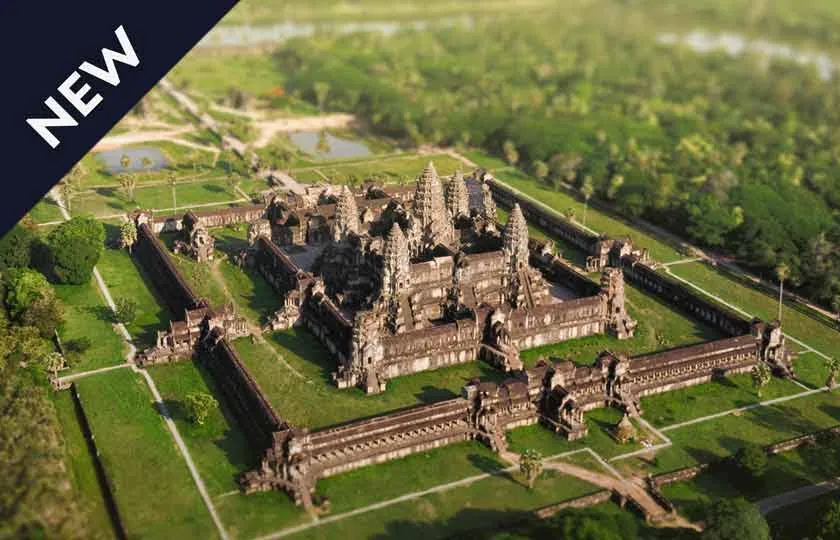
While many travelers default to the dry season, the rainy season offers a different perspective. The landscape becomes a tapestry of emerald rice paddies, and the afternoon rains bring a cooling reprieve from the heat. With fewer people on the water, the sense of intimacy is heightened. You'll find the temples of Angkor or the quiet reaches of the Upper Mekong feel more like private discoveries than public landmarks. It's a time of abundance and golden light that rewards the curious explorer.
Navigating the Seasons
Your timing should align with your personal priorities for the journey:
-
Dry Season (November to April): Offers cooler air and lower humidity, ideal for walking tours through rural markets.
-
Monsoon (May to October): Ensures full-river navigation and lush, photogenic landscapes.
For those interested in the specific logistics of crossing between Vietnam and Cambodia, our Saigon to Phnom Penh itinerary provides a practical look at how these seasonal shifts impact the route.
The Cultural Handshake
Meaningful interaction requires more than just physical presence; it demands cultural readiness. When entering Buddhist monasteries or village homes, modesty is a sign of respect. Shoulders and knees must be covered, and shoes are typically left at the threshold. We prioritize discovery over simple visiting, encouraging travelers to engage with local artisans and monks in a way that values their stories. This approach fosters a connection that outlasts any photograph. To begin planning your own journey of discovery, you can view our river expeditions and choose the rhythm that suits you best.
The Expedition Readiness Checklist
Preparing for a Mekong river cruise requires a blend of logistical precision and a willingness to embrace the river's slower pace. Documentation remains the most critical hurdle. Your passport must be valid for at least six months beyond your stay and contain a minimum of two blank pages. We recommend starting the Vietnam multi-entry application 90 days before departure. A single-entry visa for Cambodia is required, but remember that e-visas are not accepted at river checkpoints when traveling from Vietnam to Cambodia. In these instances, a visa on arrival is typically arranged for USD 35 in cash at the border.
Packing for the Mekong
Lightweight, breathable fabrics are your primary defense against the tropical humidity. Sturdy footwear is essential for navigating uneven village paths and temple stairs, but you might want something more comfortable to slip on when on board heading for meals or a nightcap. You'll want to pack neutral colors to blend into the landscape, a wide-brimmed hat, and high-quality insect repellent for evening excursions. Most importantly, bring a curious mind ready to engage with the stories of the people you meet along the banks.
Frequently Asked Questions
What is the best month for a Mekong River cruise?
October to March is typically the most comfortable period due to cooler, drier air. However, the monsoon months from May to October offer higher water levels and lush, emerald landscapes that define the rainy season. Your choice depends on whether you prioritize cooler temperatures for walking tours or the photogenic vibrancy of the full river during the height of the rains.
Do I need a visa for both Vietnam and Cambodia on a river cruise?
Yes, most travelers require separate visas for both nations. For itineraries connecting both countries, a multi-entry visa for Vietnam is recommended, while Cambodia requires a single-entry visa. It's important to remember that Cambodian e-visas are currently not accepted for river entry from Vietnam. Instead, a visa on arrival can be arranged at the border for USD 35 in cash.
Is the Mekong River safe for travel in 2026?
The region remains a stable and welcoming destination for international travelers in 2026. While standard precautions regarding health and hydration apply, the river communities are known for their hospitality and respect toward visitors. New arrival policies, such as the personal declaration required for air arrivals in Ho Chi Minh City starting April 15, 2026, are designed to streamline the entry process for a secure journey.
What should I wear on a Mekong River expedition?
Modest, breathable clothing is essential for both comfort and cultural respect. When visiting temples or the Royal Palace in Phnom Penh, you must ensure shoulders and knees are covered. Lightweight natural fabrics like linen or cotton work best in the humidity.
How does a small ship cruise differ from a larger river boat?
A small ship Mekong river cruise offers access to remote tributaries and villages that larger vessels simply cannot reach. With fewer passengers, the experience is defined by intimacy and meaningful cultural connections rather than crowded shore excursions. These specialized vessels carry a lower environmental footprint and prioritize the heritage of the river, focusing on quiet discovery and the natural beauty of the landscape rather than loud onboard entertainment.