The best encounters with India’s wildlife don't happen behind the dusty windshield of a jeep, but from the silent, shifting perspective of the water. While many travelers fear that exploring the Assamese wilderness means navigating over-tourism or compromising on safety, a **brahmaputra river wildlife cruise ** offers a luxury alternative for the modern pioneer.
In this expedition guide, you'll discover how to time your journey to witness the 2,200 one-horned rhinoceros of Kaziranga National Park while avoiding the seasonal monsoons that close the gates from May 1st to October 31st. We'll outline the path to the remote monasteries of Majuli Island and explain why an intimate ship is the only way to see tigers and river dolphins without the friction of mass-market crowds. Prepare to learn how thirty years of pioneering heritage can transform a high-discharge river into a sanctuary of quiet discovery and understated elegance.
The Brahmaputra Frontier: Why a Wildlife Cruise is the Ultimate Way to See Assam
Assam is India’s hidden frontier. While the Ganges offers spiritual depth and cultural density, the Brahmaputra River provides a raw, untamed encounter with nature that feels almost prehistoric. As global travel leans toward meaningful, low-impact expeditions, this region stands out as a final bastion of biodiversity. Choosing a **brahmaputra river wildlife cruise ** isn't just about comfort; it's about tactical access to a region where roads are often unreliable, and the best views are reserved for those on the water.
Traditional land tours in Assam often mean hours on bumpy, unpaved roads and navigating the friction of local traffic. You spend more time looking at the dust than the wildlife. On a vessel, the journey becomes the destination. You glide past the riverbanks at a purposeful pace, watching the mist lift off the water while you enjoy a morning coffee on a hand-crafted teak deck. There is a sense of quiet confidence in this mode of travel. You aren't just visiting a destination; you're becoming an insider to the river’s daily rhythm.
The Braided River Phenomenon
The Brahmaputra is a "braided" river, a complex and ever-changing network of shifting channels and temporary islands known as chars. These islands can appear or vanish after a single monsoon season. This volatile geography is why a **brahmaputra river wildlife cruise ** requires a specific kind of technical superiority. A ship with a shallow draft can navigate these narrow, silt-heavy channels where larger, mass-market boats would run aground. It creates a sense of true exploration. Every morning, you wake up in a location that might not have existed on a map just twelve months prior. This technical capability ensures exclusive access to remote wildlife banks that remain unreachable by any other means.
Beyond the riverbanks, Assam is a tapestry of ancient cultures and colonial heritage. You’ll find lush tea gardens that have produced world-class leaves for nearly two centuries. The river is the lifeblood for both the local communities and the endangered species that drink from its shores. While infrastructure in Northeast India is slowly expanding, the region still maintains its remote, undiscovered feel. A journey here is a continuation of a grand maritime tradition, uncovering the less-traveled paths of the Eastern Himalayas.
What to Expect on a Brahmaputra Wildlife Cruise
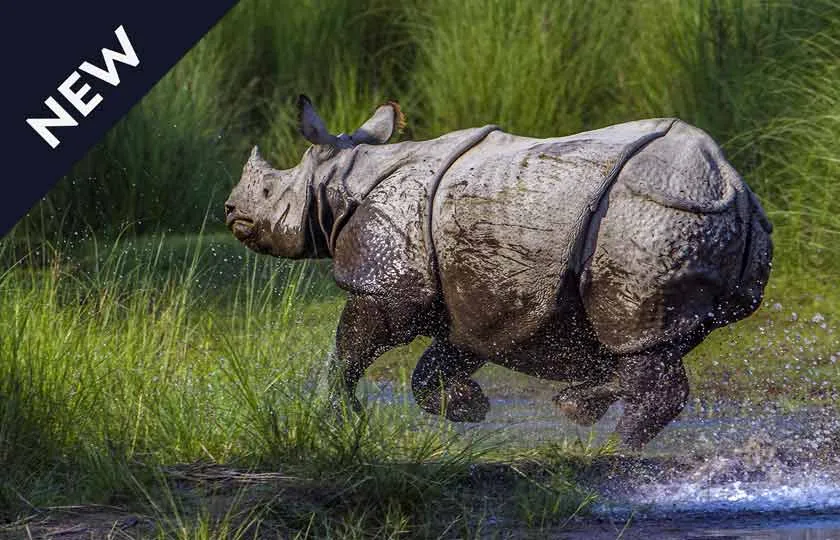
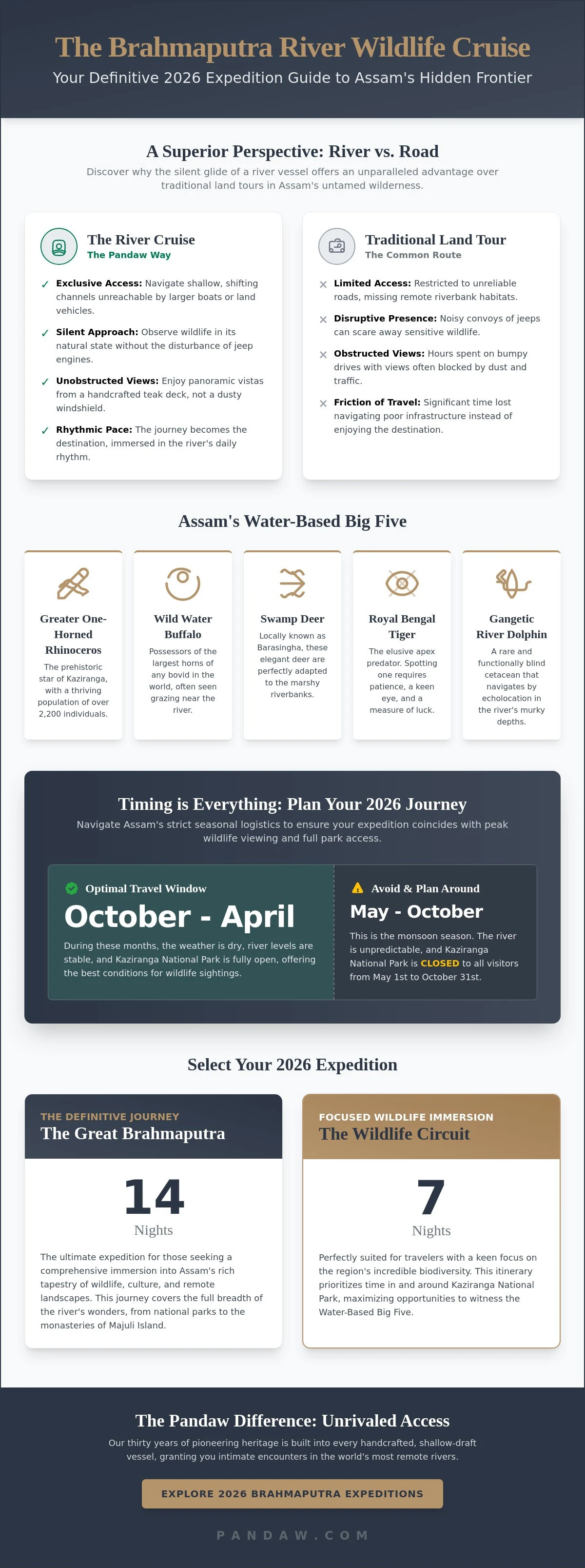
The Greater One-horned Rhinoceros remains the undisputed star of the region. With over 2,200 individuals calling Kaziranga home, seeing these prehistoric giants grazing at the water's edge is a frequent and breath-taking highlight. You might also spot the Wild Water Buffalo, possessors of the largest horns in the world, or the elegant Swamp Deer, known locally as Barasingha, as they navigate the marshy banks in search of succulent aquatic plants.
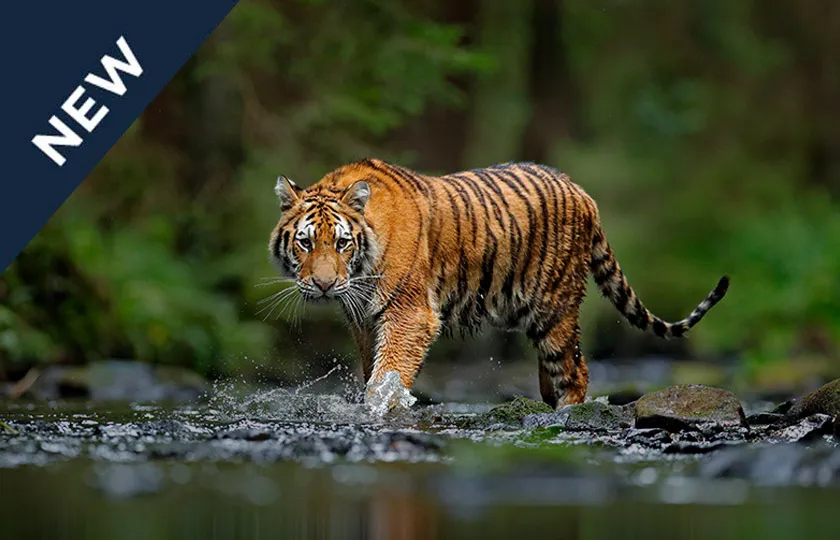
Spotting a Royal Bengal Tiger requires a different level of patience and a keen eye. These apex predators are masters of camouflage in the tall elephant grass of Kaziranga, which can reach heights of 6 meters. While sightings are never guaranteed, the water banks provide the best chance to catch them as they come to the water to drink.
Birdwatching from the Sun Deck
The river serves as a vital migratory flyway for birds traveling from as far as Siberia. From the sun deck, you can witness a staggering variety of avian life without the noise of an engine. Keep your binoculars ready for the Pallas’s Fish Eagle and the rare, prehistoric-looking Greater Adjutant Stork. The ship’s ability to glide silently is particularly advantageous for spotting various Kingfisher species, whose vibrant plumage flashes against the river's silt-gold surface.
Selecting Your Expedition: A Roundup of Brahmaputra Itineraries for 2026
Choosing the right vessel is only half the battle; selecting the appropriate itinerary is what defines the depth of your encounter. A river cruise through the heart of Assam is a tactical decision that requires balancing your desire for wildlife sightings with your curiosity for local heritage. For the traveler seeking a brahmaputra river wildlife cruise, the choice usually rests between a focused week-long circuit and a 10-night expedition.
The Full Brahmaputra stretches from the tea capital of Dibrugarh down to the bustling gateway of Guwahati. This itinerary is for those who don't want to rush. It allows for multiple days near Kaziranga and Nameri, which significantly increases the statistical likelihood of rare sightings. Conversely, The Brahmaputra River is a 7-night focused wildlife circuit designed for first-timers who have a more limited schedule. Both options utilize our pioneering small-ship design to reach areas that larger vessels simply cannot access. You can explore these options further by viewing our full Brahmaputra expedition schedules for the 2026 season.
Planning Your 2026 Expedition: Timing, Logistics, and Expert Tips
Success on a brahmaputra river wildlife cruise depends on understanding the river's seasonal volatility. Unlike the Mekong or the Ganges, the Brahmaputra is dictated by the massive snowmelt of the Himalayas and the intense South Asian monsoon. This creates a strict operational window from October to March. Outside of these months, the river’s discharge makes navigation dangerous and the surrounding national parks become inaccessible. It’s a frontier that demands respect for the natural calendar.
The Best Month for Wildlife
Selecting a specific month involves a trade-off between different sightings. December is the pinnacle for birdwatchers, as migratory species from the north are in full residence. However, if tigers are your priority, March is superior. During these months, the forest department burns the tall elephant grass to encourage new growth, stripping away the predators' camouflage. January offers the famous "Assam Mist," a thick, ethereal fog that provides landscape photographers with hauntingly beautiful frames, though it can delay morning departures until the sun burns it off.
Wildlife Photography Tips for River Cruisers
Capturing wildlife from a moving vessel requires specific gear. A 100-400mm lens is the sweet spot for boat-to-bank shots. It’s versatile enough to capture a rhino on a distant sandbank while remaining light enough to hand-hold on a vibrating deck. You’ll also need to contend with the Assam Haze, a natural atmospheric condition that can soften your images. Shooting during the Golden Hour is essential for cutting through this haze and highlighting the river’s wide, dramatic horizons.
Packing for rural Assam requires a layering strategy. Morning temperatures in January can drop to 10°C on the water, while midday heat often reaches 28°C. Consider these essentials for your kit:
-
Lightweight cottons: Essential for humid afternoons and village walks.
-
Windproof outer shell: Necessary for early morning river breezes on the observation deck.
-
Neutral colors: Best for blending into the environment during shore excursions in the parks.
Secure Your Place on the Brahmaputra Frontier
Navigating the complex, braided channels of Assam requires more than just a boat; it demands thirty years of pioneering expertise and a vessel designed for the river's unique temperament. By choosing the right itinerary, you're not just booking a holiday. You're securing an intimate front-row seat to one of the world's most biodiverse corridors. Whether you're scanning the banks for the Greater One-horned Rhino or listening to the tales of local naturalists, the experience is rooted in a grand maritime tradition that modern land tours cannot replicate.
The wild heart of Assam is waiting for those with the curiosity to seek it. We look forward to welcoming you on deck for a journey that will stay with you long after the river mist has cleared: Book Your 2026 Brahmaputra Wildlife Expedition
Frequently Asked Questions
What is the best time of year for a Brahmaputra river wildlife cruise?
The optimal window for an expedition is between November and March. During these months, the river levels are stable and the weather is pleasantly cool, with daytime temperatures averaging 22°C. March is particularly favored by photographers because the park authorities manage the elephant grass, significantly increasing the visibility of larger mammals like the one-horned rhino and wild buffalo.
Do I need a special permit to visit Assam for a river cruise?
Most foreign nationals don't require Restricted Area Permits (RAP) for Assam, though you must possess a valid Indian visa. Our team manages all local administrative registrations and park entry formalities on your behalf. This ensures a seamless transition from the vessel to the protected wilderness areas, allowing you to focus entirely on the landscape and its inhabitants.
How likely am I to see a Royal Bengal Tiger on the cruise?
Tiger sightings are a thrilling possibility but are never guaranteed due to the predator’s elusive nature and the dense vegetation of the floodplains. We focus on providing an authentic brahmaputra river wildlife cruise experience where every sighting is a reward of patience.
What is the difference between a Ganges cruise and a Brahmaputra cruise?
A Ganges journey is a deep immersion into India’s spiritual and historical heart, whereas the Brahmaputra is a raw, technical expedition into a prehistoric wilderness. While the Ganges offers temples and ghats, the Brahmaputra provides a landscape of shifting sandbanks and unmatched biodiversity. The river itself is much wider and more volatile, requiring the specialized shallow-draft vessels that define our pioneering fleet.
Are the land safaris in Kaziranga included in the cruise fare?
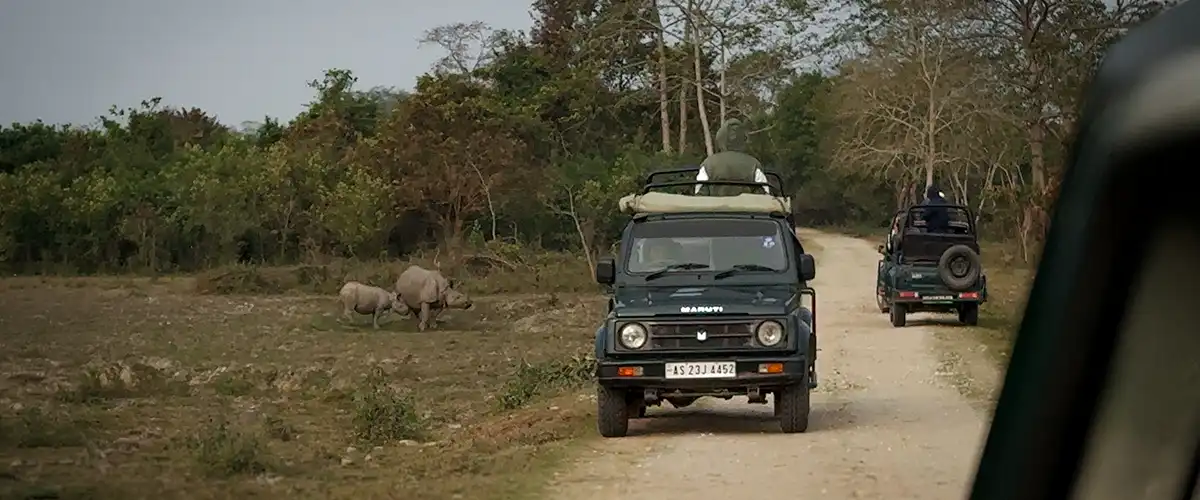
Yes, all scheduled jeep and boat safaris into the national parks are fully included in your Pandaw expedition fare. We coordinate with local forest departments to secure the best available time slots in various ranges of Kaziranga. This inclusive approach ensures you have expert guidance and reliable transport without the friction of arranging individual park entries in remote rural Assam.
What should I wear for wildlife excursions in Assam?
Neutral colors such as khaki, olive, and tan are essential for blending into the environment and not startling the animals. Layering is the most effective strategy, as morning temperatures on the water can dip to 10°C before rising to 28°C by mid-afternoon. We recommend a windproof outer shell for the early morning boat safaris and sturdy, closed-toe walking shoes for village visits.
Is the Brahmaputra river safe for cruising during the winter?
Winter is the safest and most reliable time for navigation because the monsoon floods have subsided and the water levels are predictable. Our captains are experts in reading the river’s shifting "chars" and use modern radar to navigate the seasonal January mist. This period offers the most tranquil conditions for a brahmaputra river wildlife cruise, with minimal current and clear skies.