Sustainability
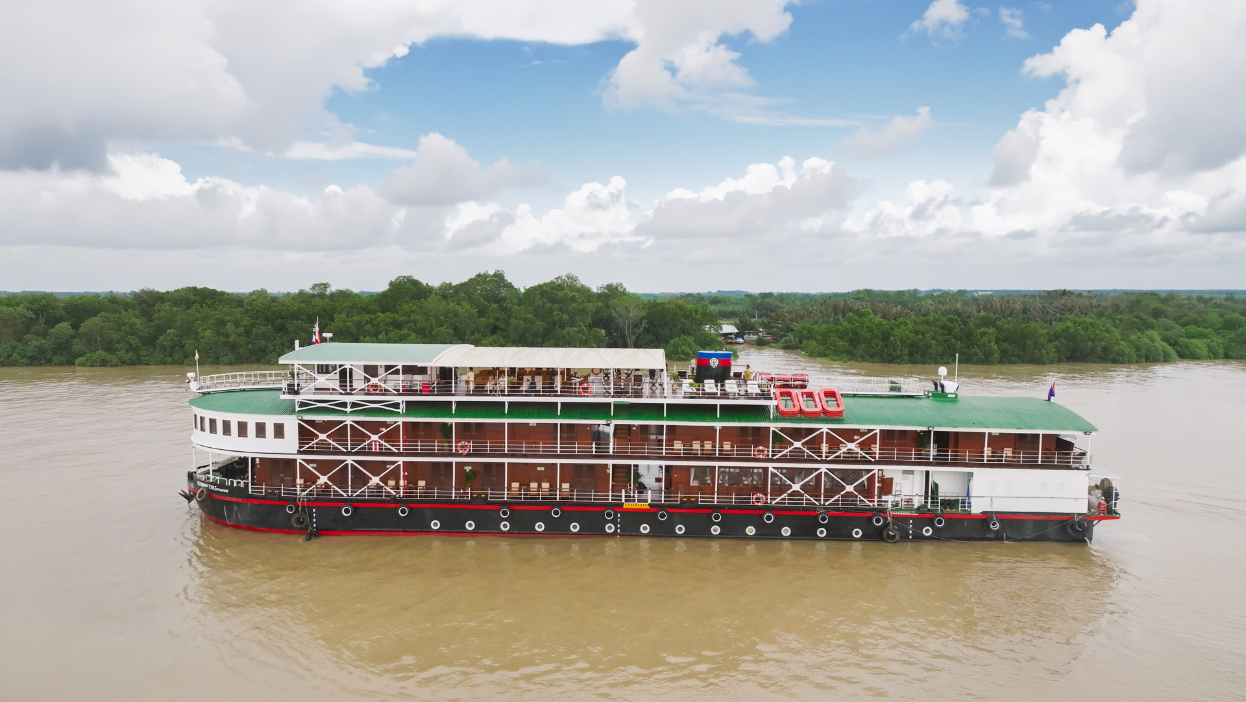
For more than 30 years, Pandaw has been taking guests along the rivers of Southeast Asia and India, visiting places few others do. Over that time, we've learned the importance of travelling in a way that supports the rivers and the people who live along them.
We follow four key principles that shape how our ships are built, how we operate on the river, and how we work with local communities. These principles help us share Asia's rivers with our guests today while taking care of them for the future.
Pandaw's Four Pillars of Sustainable Travel
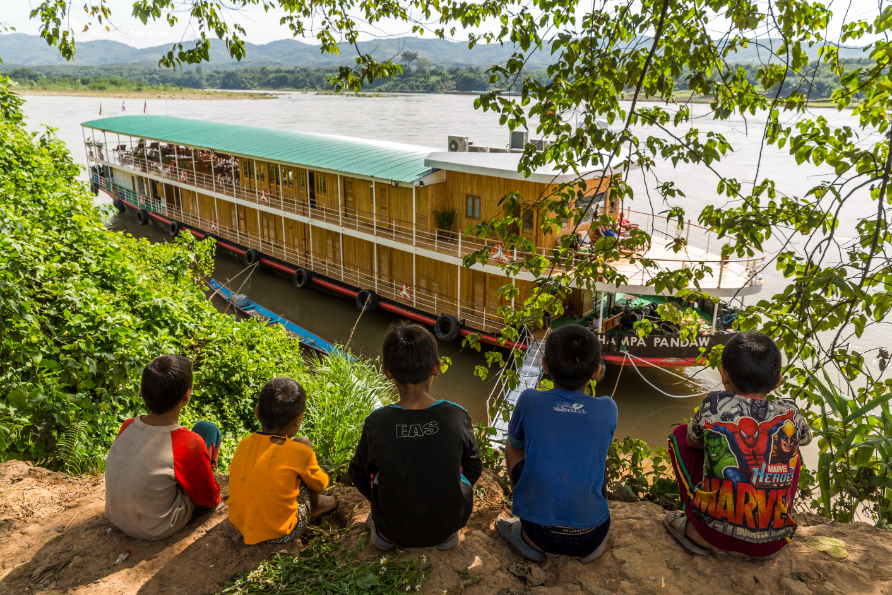
Integrity & Long-Term Stewardship
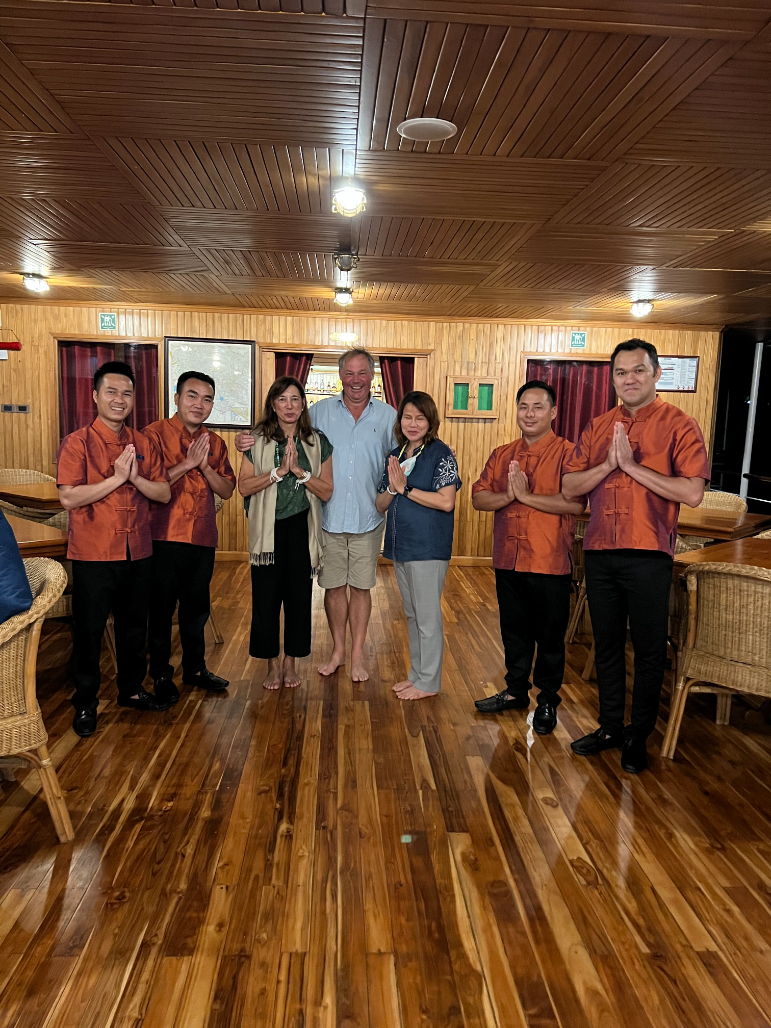
Family-owned and independently grown for more than 30 years, Pandaw has never taken on external investors or local equity partners. All vessels are funded through operating cash flow, supporting long-term, transparent, and ethical decision-making.
Integrity & Long-Term Stewardship
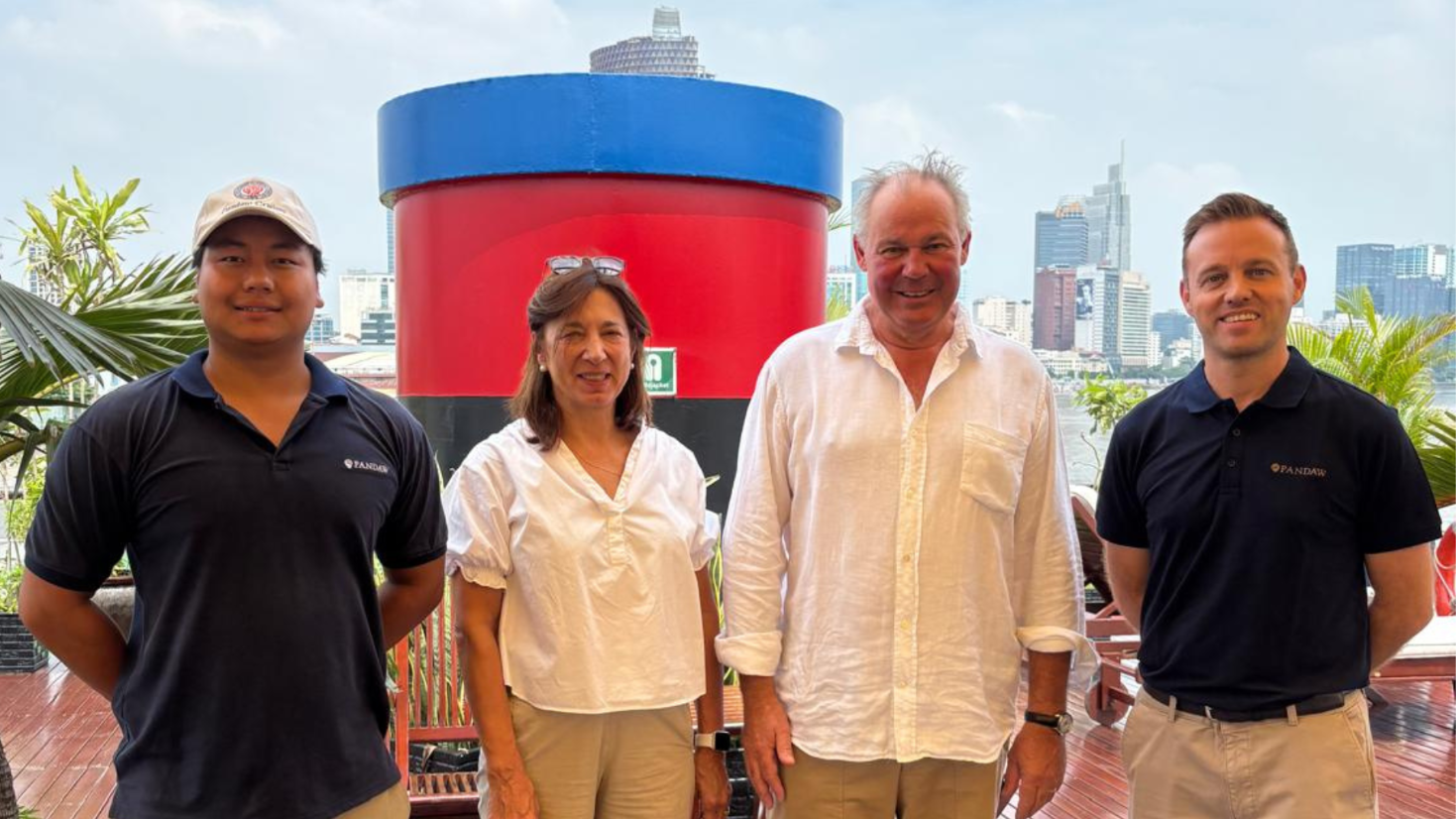
For more than 30 years, Pandaw has been family-owned and independently operated, growing steadily without external investors, private equity, or local equity partners. Every vessel in the fleet has been financed through operating cash flow, allowing the company to expand at a measured pace and retain full control over how and where it operates. This independence is central to Pandaw's approach to long-term stewardship. Without pressure to deliver short-term returns, decisions are guided by responsibility and respect for the rivers and communities that make our journeys possible.
Operating independently also brings transparency and accountability. In an industry where complex ownership structures and partnerships are increasingly common, Pandaw's straightforward model allows for clear oversight of finances, operations, and impact. This clarity supports ethical business practices across every destination, from employment and procurement to how tourism revenue is distributed along the river. Whether building new itineraries, investing in fleet maintenance, or funding community initiatives, decisions are made with long-term stewardship in mind rather than short-term return.
Sustaining Local Communities
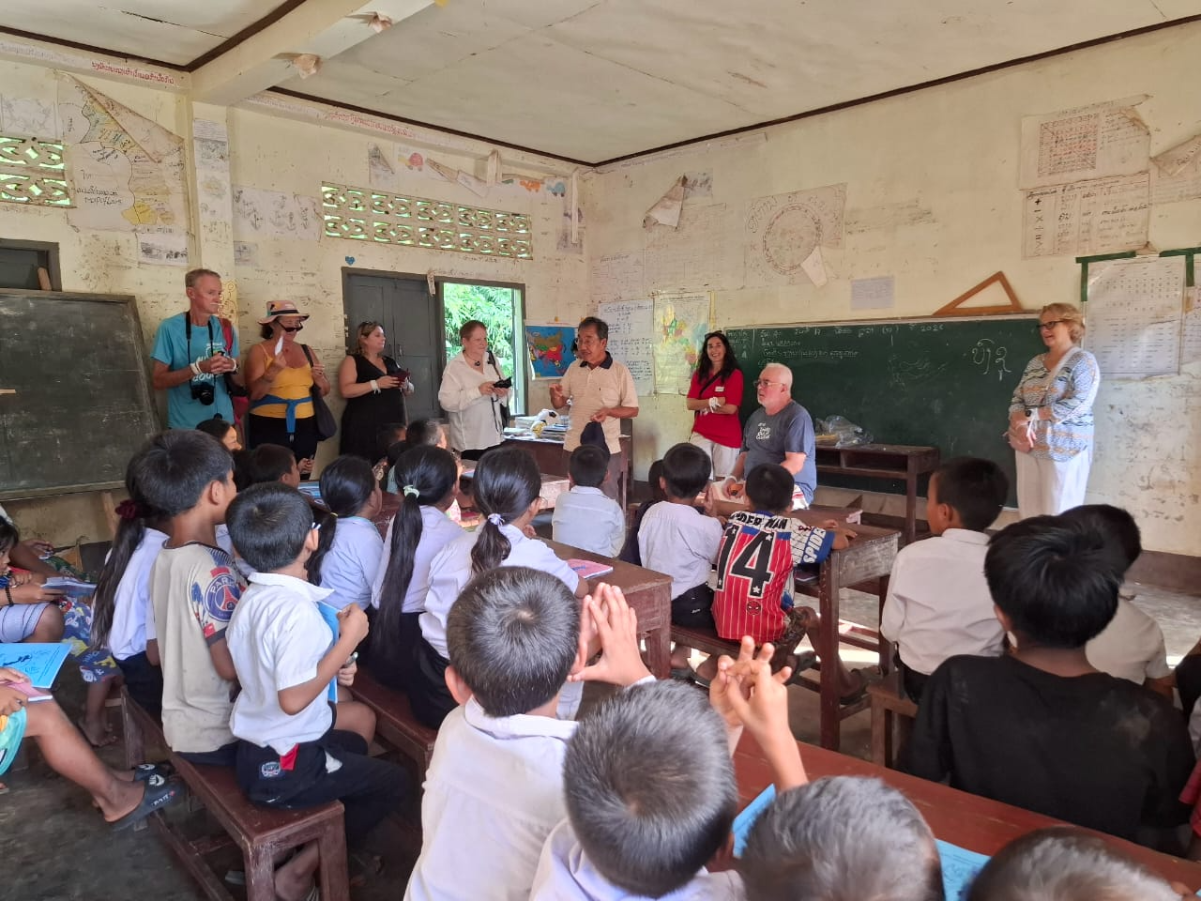
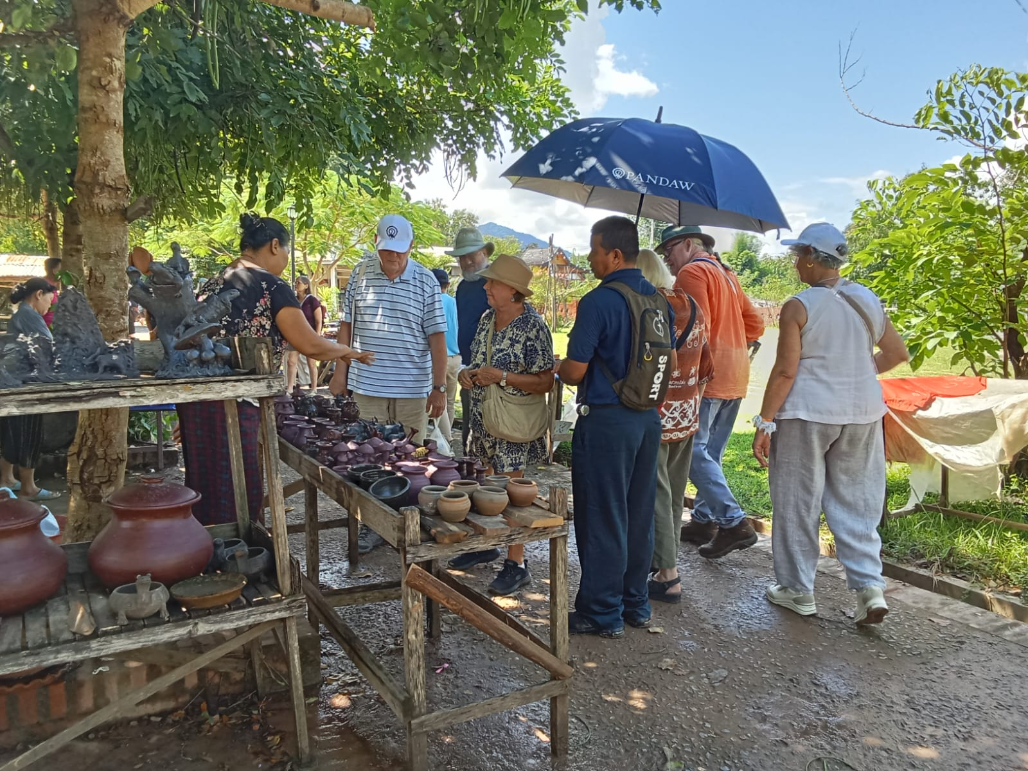
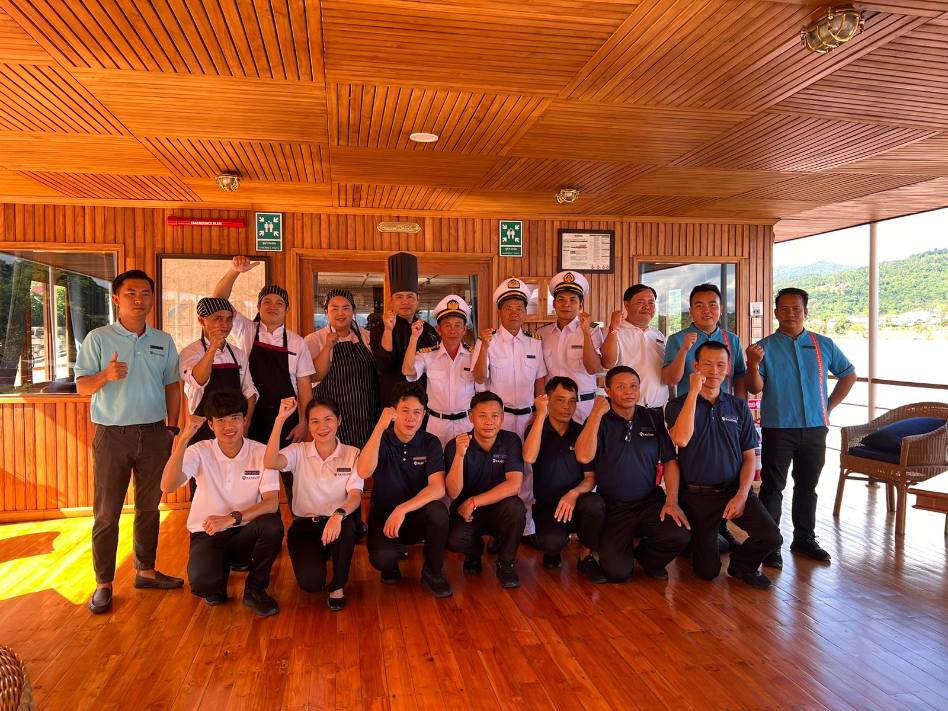
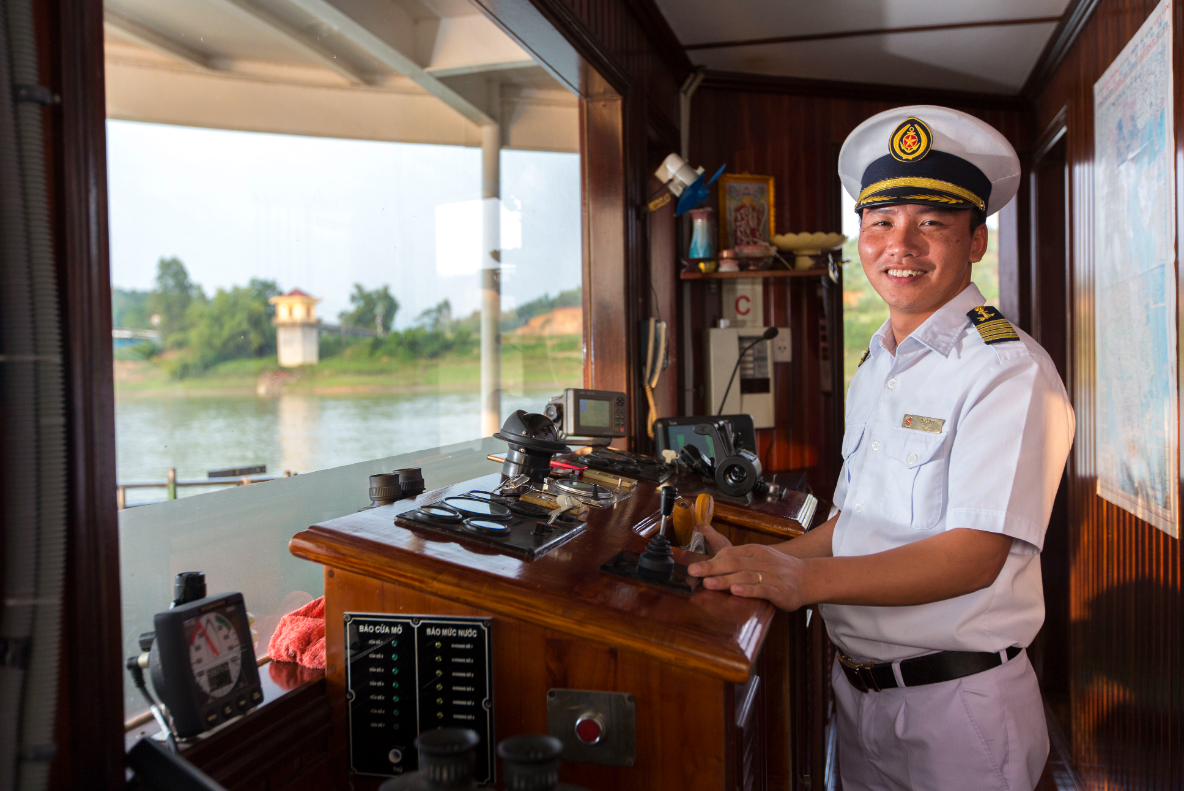
Our crew plays a major role in our success. More than 300 members of our fleet are recruited locally, helping to build strong relationships with the riverside communities we sail through. This commitment to local support is also reflected in the work of Pandaw Clinics, a registered NGO in Myanmar launched in 2008. Funded by passenger donations and a share of Pandaw's profits, the organisation now runs seven medical clinics around Pagan and treats more than 5,000 patients each month. It has also funded the construction of 12 schools in remote river island communities where education was once out of reach.
Unlike tourism models that focus mainly on major cities, our river cruises travel to smaller communities, spreading the benefits of tourism more evenly. This helps support local livelihoods and cultural exchange, creating economic, social, and educational benefits for communities that might otherwise be left out of the travel economy.
Protecting Rivers & Ecosystems
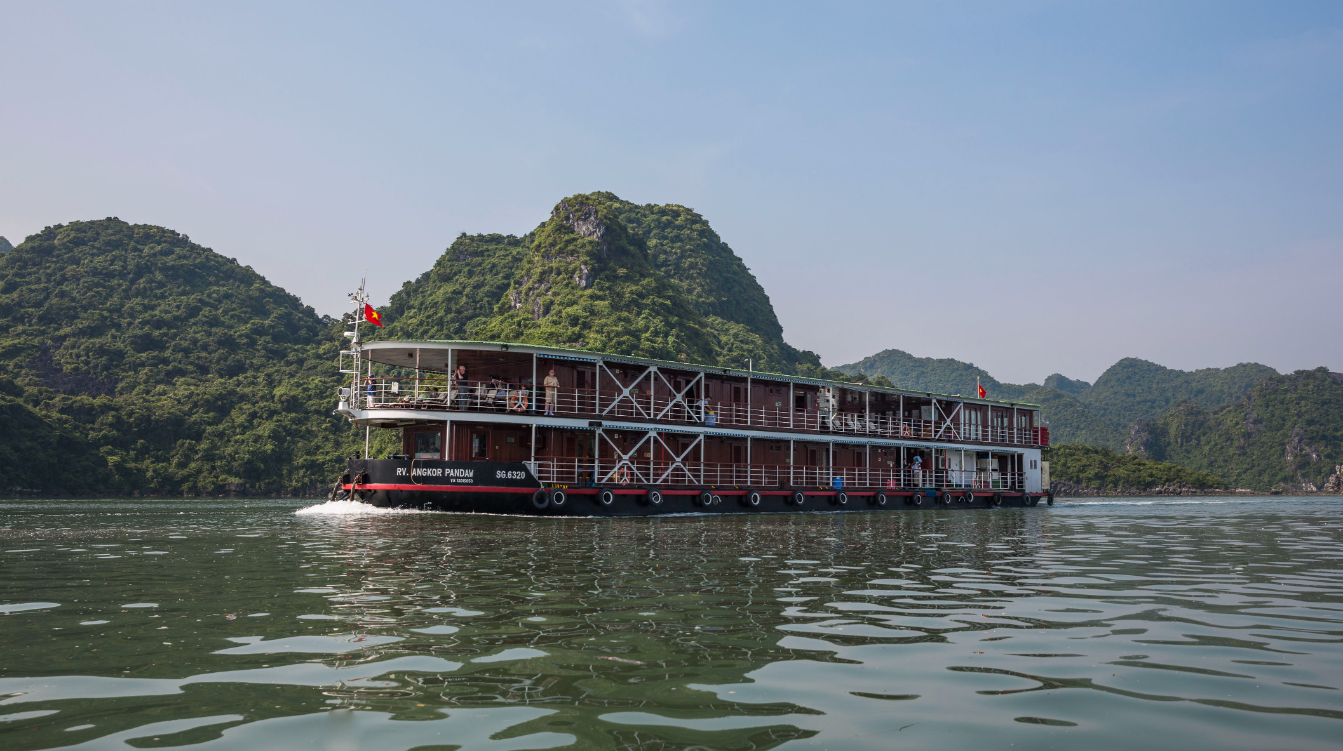
River cruising is already one of the lowest-impact ways to travel, as it uses existing waterways rather than requiring new roads or heavy infrastructure. Our shallow-draft vessels are specifically designed to navigate these rivers with minimal disturbance to riverbeds, helping to protect fragile aquatic environments along our routes.
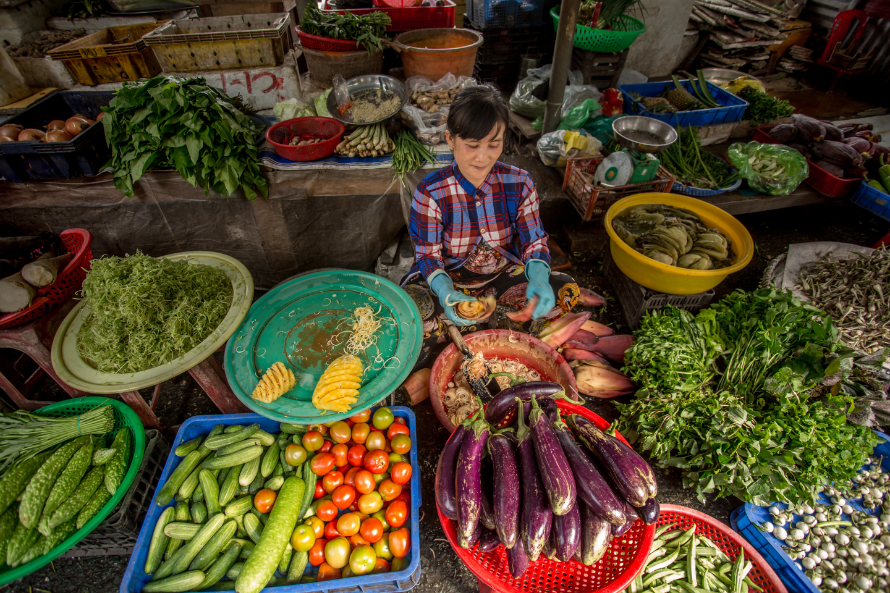
The way we build and maintain our ships is also intentional, keeping construction and renovation local to support regional craftsmanship and reduce the emissions associated with transporting materials over long distances. Fresh food is also sourced from local markets whenever possible, lowering transport impact and supporting regional agriculture. Each ship is equipped with its own water purification system that treats river water for daily use. This reduces pressure on local water supplies and helps preserve resources for nearby communities. We also follow a waste management procedure on board, sorting materials into color-coded bins and removing them responsibly using local port services.
Low-Impact River Operations
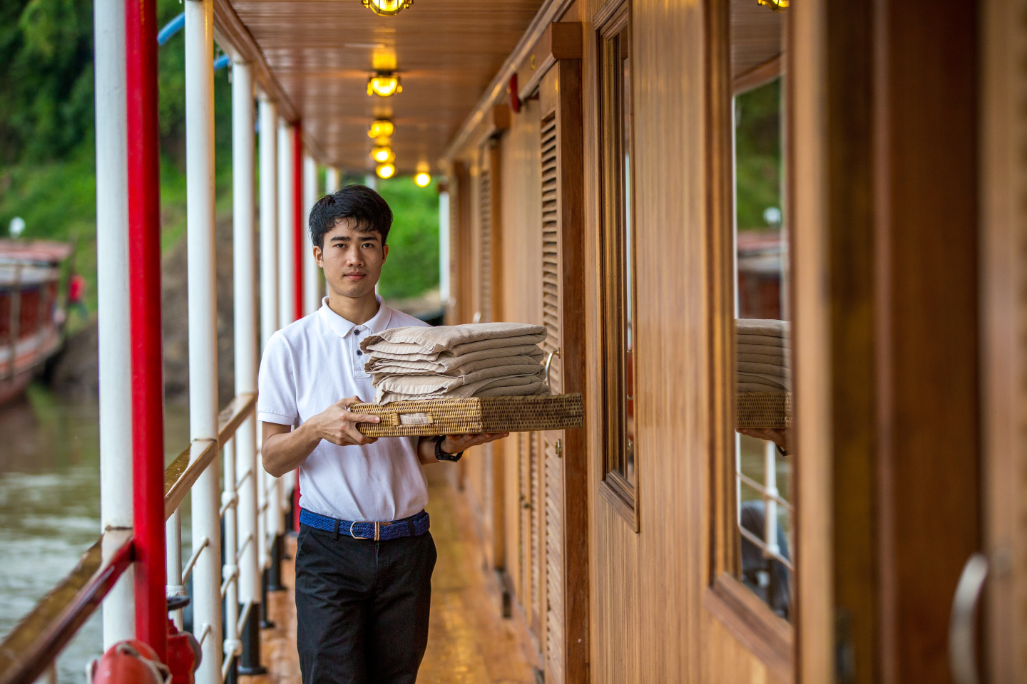
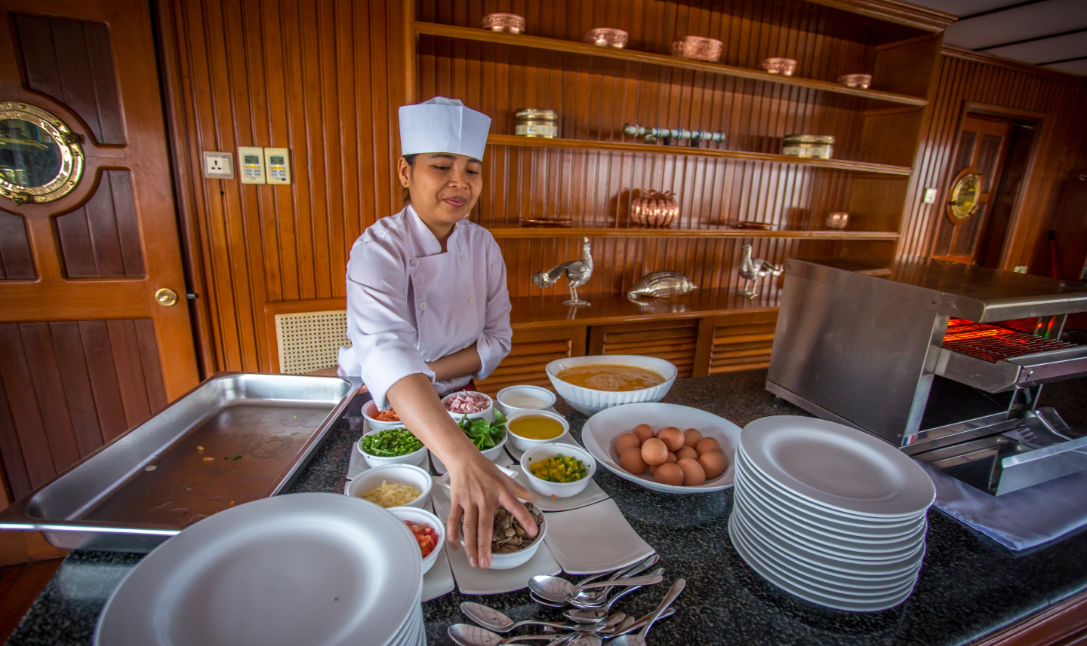
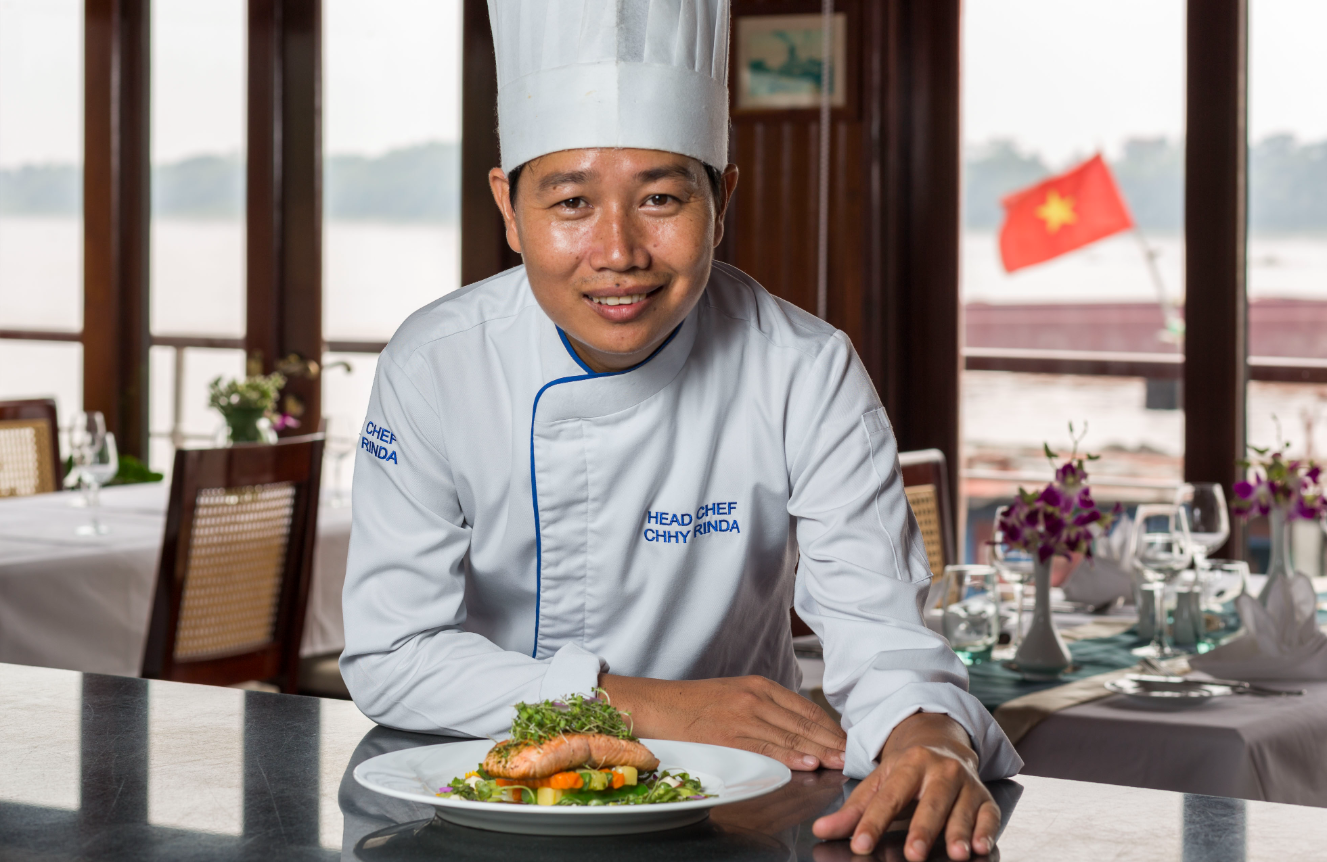
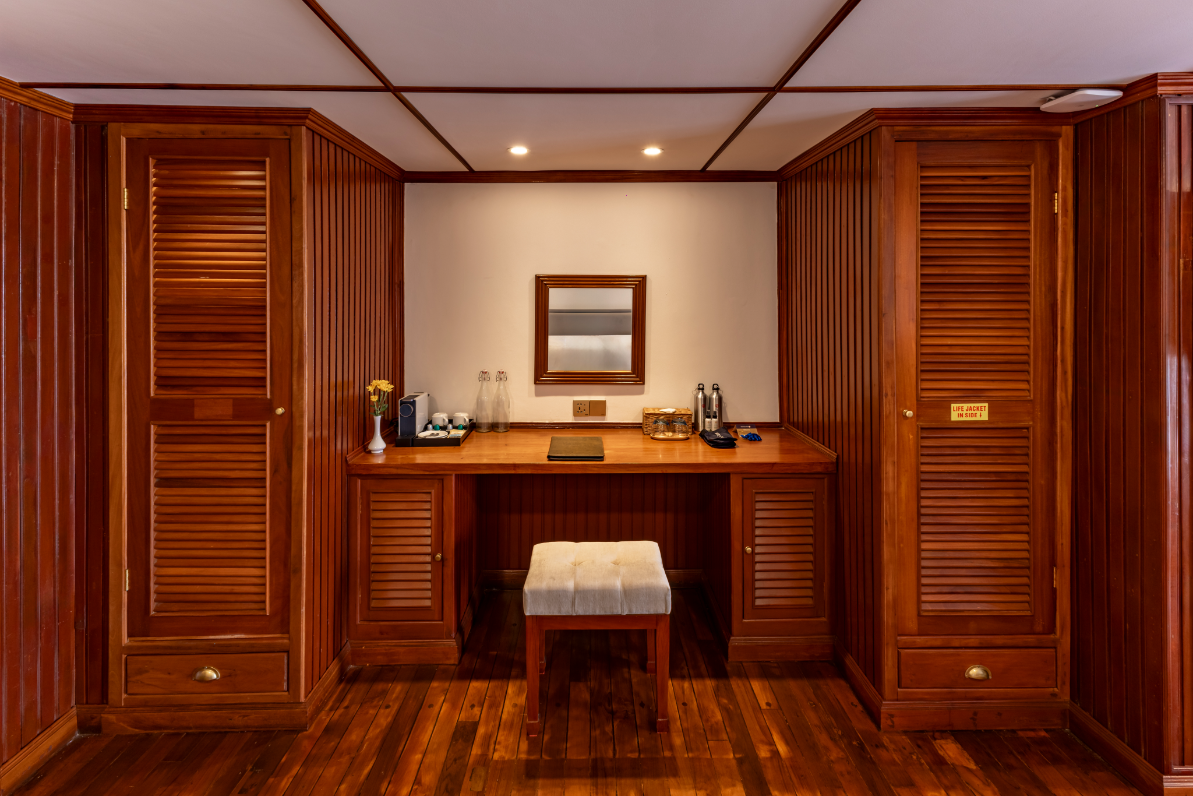
On board, we've taken practical steps to reduce waste and lower our use of single-use plastics. Guests receive refillable aluminum water bottles, cabins are supplied with glass-bottled mineral water, and our kitchens have removed disposable plastics wherever possible. À la carte dining reduces food waste by preparing meals to order, while the team encourages guest to reuse their towels to reduce laundry-related water consumption.
We continue to invest in technologies that reduce our environmental footprint, including fuel-efficient engines, improved hull designs, and LED lighting throughout the fleet. To reduce paper use and improve communication, we have also launched a digital app and membership portal, giving guests access to daily itineraries, menus, excursion details, and voyage information directly on their devices.
A Journey, Not a Destination
Sustainability at Pandaw is an ongoing commitment, not a standalone project. It shapes how we operate every day across our fleet and our office on shore. As part of this long-term approach, we have signed the Sustainable Tourism 2030 Pledge, committing to measurable improvements in our sustainability performance by 2030 and are actively working towards the Travelife certificate.
Join us in our efforts to explore the world more responsibly, one river at a time.