The quality of any river expedition comes down to one thing: how shallow the vessel can sail. For travelers planning Asian river cruises, it’s common to worry that larger ships can’t reach the small villages and quiet temples that make these journeys special. No one wants to feel stuck on a big vessel that has to anchor far from shore because the water is too shallow to dock.
This guide shows you how to judge a voyage by its vessel design, navigational access, and cultural reach. By understanding the technical details that shape deeper exploration, you’ll see why handcrafted, shallow‑draft ships can travel into remote waterways where morning mist still settles on ancient stones. You’ll also learn how the right vessel lets you step directly into local communities and experience spiritual traditions that remain out of reach for standard tourism.
Defining the River Cruise Experience: Access, Atmosphere, and Heritage
A River cruise through the heart of Asia is less about the vessel as a destination and more about the river as a gateway. Unlike ocean travel, which often prioritizes the ship's internal amenities, asian river cruises focus on the slow unfolding of life along the banks. It's a shift from being a spectator to becoming an insider. You aren't just visiting a country; you're moving through its history at a pace that allows the landscape to speak and the culture to reveal itself naturally.
Small-Ship Intimacy vs. Mass-Market Cruising
Guest count is the most critical factor in determining the depth of your experience. While mass-market ships carry hundreds of passengers, asian river cruises on smaller vessels maintain a sense of privacy and quiet. Shallow-draft ships can reach remote temples and villages unreachable by land or larger craft. This creates an intimate environment where you can connect with fellow travelers and local communities. For those seeking to explore the quiet landscapes of Southeast Asia, an expedition like the Laos Mekong offers a glimpse into regions where life remains centered on the water's edge, far from the reach of standard tourism.
The Importance of Vessel Design: How Shallow Drafts Unlock Remote Waterways
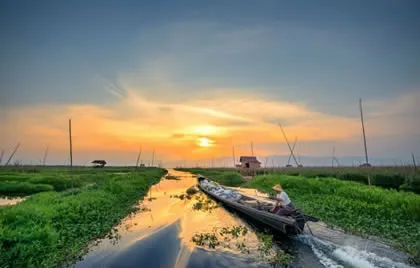
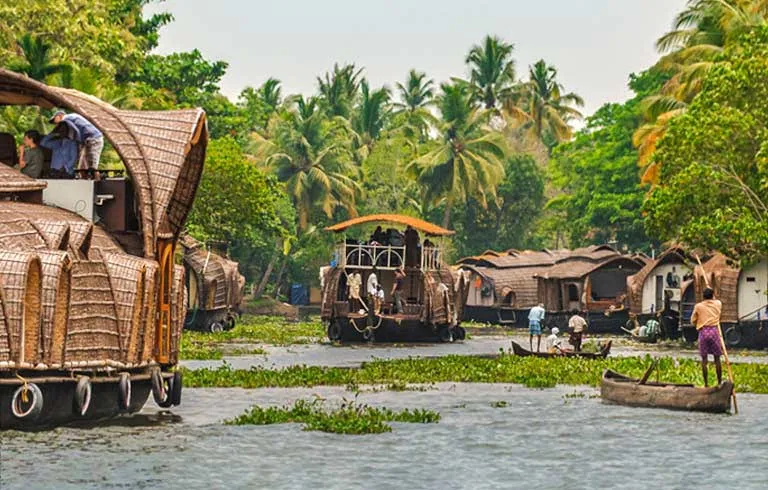
The draft of a ship is the vertical distance between the waterline and the bottom of its hull. In the context of asian river cruises, this technical specification is the single most important factor in determining where you can go. While mass-market ships with deep hulls are often confined to the main channels, shallow-draft vessels can glide over sandbanks and navigate river systems that change with the seasons. This capability is essential for reaching remote temples and stilted villages that remain untouched by the heavy footprints of standard tourism.
According to the Mekong River Commission, these waterways are dynamic and subject to significant seasonal fluctuations. A ship designed with a shallow draft doesn't just offer safety; it offers access. It allows for passage under low-hanging historic bridges and through narrow channels where the banks are close enough to see the detail of a local weaver’s loom or the expression of a monk in prayer. It's the difference between seeing a country from a distance and being part of its daily rhythm.
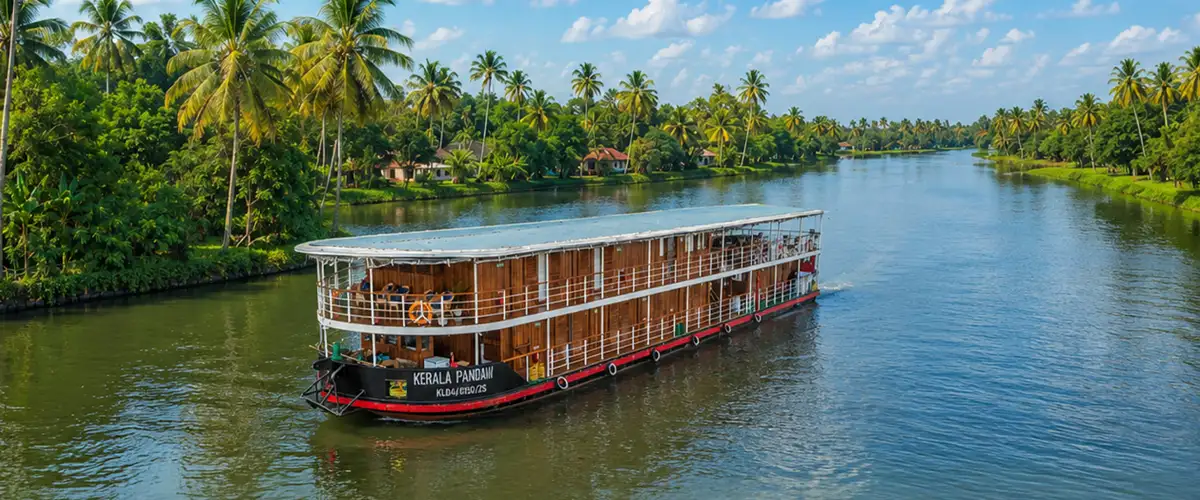
You might wonder if a smaller, shallow-draft vessel sacrifices the comforts of a larger ship. The reality is a shift in focus. Instead of expansive fitness centers or multiple dining rooms, you find a higher standard of craftsmanship. Every cabin and deck is finished in hand-polished teak and brass, creating a private, intimate environment that feels like a home rather than a hotel. Quality here is measured by the silence of the engine and the unobstructed views of the riverbank.
Navigating Changing Rivers
Expeditions like The Classic Mekong demonstrate the necessity of specialized design. In regions such as the Upper Mekong or the Brahmaputra, water levels can drop rapidly. Deep-hulled ships are often forced to turn back or bus passengers to land-based hotels. A shallow-draft vessel continues the journey, staying on the water to reach the furthest temples. If you're ready to see these hidden corners, you can explore our upcoming river expeditions.
The aesthetic of a heritage vessel changes how you perceive the journey. Open decks and low profiles remove the barriers between you and the river. When the sun sets, the golden light reflects off the polished wood, creating an atmospheric glow that modern materials cannot replicate. This connection to the landscape is a core part of the experience, allowing the sights and sounds of the river to become part of the ship's own story.
Choosing Your Expedition: Navigating the Historic Rivers of Asia and India
Selecting from the diverse array of asian river cruises requires an understanding of what stirs your curiosity. While one river may offer the lush tranquility of jungle landscapes, another provides a window into the spiritual intensity of ancient civilizations. The choice is a matter of prioritizing the narrative you wish to follow, whether it is the legacy of colonial trade routes or the quiet observance of regional traditions. You should seek a journey that prizes the depth of the encounter over the number of stops on a map.
A voyage of this nature is not a checklist of ports. It's a slow immersion facilitated by expert local guides who bridge the gap between the traveler and the community. These guides don't just point out landmarks; they share the stories of the river trade history and the nuances of local festivals. This connection ensures your voyage feels like an exploration rather than a standard tour. It allows for a perspective that respects the local pace of life while satisfying your own intellectual curiosity.
The Mekong: A Tapestry of Civilisations
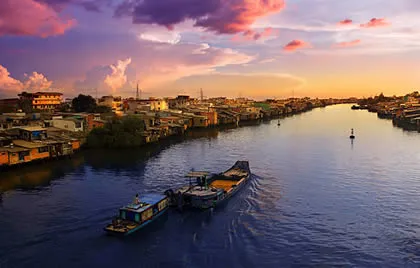
The journey from Saigon to Phnom Penh reveals the dramatic shift from the vibrant life of the Delta to the heart of Cambodia. As the ship moves further inland, the landscape transitions from bustling river markets to secluded locations where stilted houses line the banks. Because these vessels possess specialized navigational capabilities, you can access remote temples that remain hidden from larger ships. This allows for a clearer understanding of the region's complex heritage and the traditions that still thrive along the water's edge.
The Ganges and Brahmaputra: Sacred and Wild
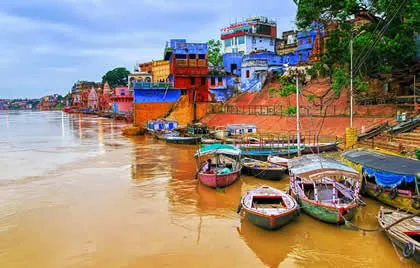
For those drawn to spiritual traditions, The All Ganges River Cruise offers an encounter with the sacred heart of India. The riverbanks are a living gallery of heritage sites and ritual practices that have remained unchanged for centuries. In contrast, an expedition on the Brahmaputra introduces a wilder, more unpredictable landscape. Here, the focus shifts to the discovery of tribal cultures and the dramatic natural features of the valley. Both rivers require the intimate scale of a small ship to navigate the shifting sands and reach the most significant cultural sites.
Charting a New Path Through Ancient Landscapes
As you look toward your next trip, remember that the most rewarding journeys are those that prioritize access and cultural depth over sheer scale. The technical superiority of shallow-draft vessels is what separates a standard tour from a true expedition, allowing you to reach the quiet villages and sacred temples that remain the soul of the region. Since 1995, we've pioneered this style of travel, operating handcrafted teak and brass ships that serve as a continuation of a grand maritime tradition.
Choosing from the world of asian river cruises is an opportunity to slow down and connect with local communities in a way that feels personal and respectful. By focusing on the draft of the vessel and the heritage of the fleet, you ensure your voyage is one of discovery rather than just observation. Our expert guides and locally hired crews are ready to welcome you into the heart of these historic waterways.
Explore our handcrafted river expeditions and find your journey. The rivers of Asia and India are waiting to reveal their secrets to those who choose the right path.
Frequently Asked Questions
What is the difference between an ocean cruise and an Asian river cruise?
The primary difference is the scale of the vessel and the focus of the journey. Ocean cruises are generally large, resort-style ships that visit major ports; asian river cruises utilize smaller, handcrafted vessels to travel deep into the interior of a country. This proximity allows for a constant connection to the landscape, where the sights and sounds of the riverbank are always within view from the open deck.
How do I choose the best time of year for a river expedition in Asia?
Timing is determined by the seasonal rhythms of the river systems. Most travelers prefer the dry season, typically from October to April, when the weather is temperate and the skies are clear. However, the high-water period offers its own rewards, such as the ability to navigate further into a delta or witness the dramatic greenery of the monsoon landscape. Each season provides a unique perspective on the river's history and traditions.
What exactly is a shallow-draft vessel and why does it matter for my trip?
A shallow-draft vessel is a ship engineered to sit high in the water, requiring very little depth to navigate safely. This design is critical because it allows the ship to cross sandbanks and enter narrow channels that would block larger craft. It ensures your expedition can reach secluded villages and remote heritage sites, providing a level of access that defines the difference between a standard tour and a true discovery.
Are river cruises suitable for travellers who prefer independent exploration?
These journeys are well-suited for travelers who prefer a focused, intellectual approach to exploration. While the ship provides a steady and reliable base, the experience is centered on quiet discovery and cultural immersion. The small guest count and expert local guidance create an environment where you can engage deeply with the destination, making it an excellent choice for those who seek to understand a place rather than just visit it.