Cultural Immersion in Vietnam: A Journey Through Heritage and Waterways
With Vietnam aiming to welcome 25 million international visitors in 2026, many travelers find themselves caught in a cycle of crowded landmarks. It's a common frustration to feel like a tourist rather than an insider, especially when the heritage-rich villages remain inaccessible due to poor road infrastructure.
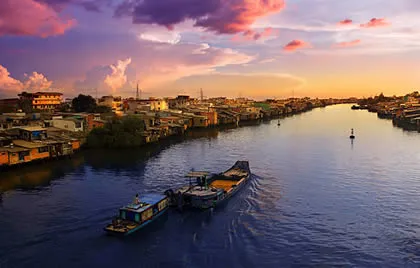
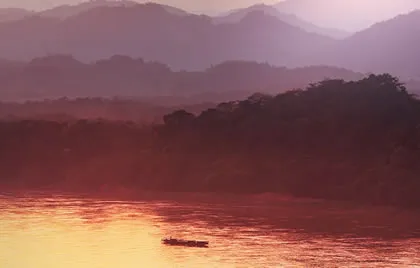
Pandaw offers the solution. By using small, handcrafted ships designed for intimacy, we navigate historic waterways that land-based travel cannot reach. Discover how the slow rhythm of the Mekong or the Red River provides a more immersive way to see the country, connecting tourists with local villages and teaching them about the history of river trade and colonial heritage. From the morning mist on the water to the golden light on ancient temples, we invite you to move beyond the crowds and become part of the stories that define this land.
Defining Cultural Immersion in Vietnam
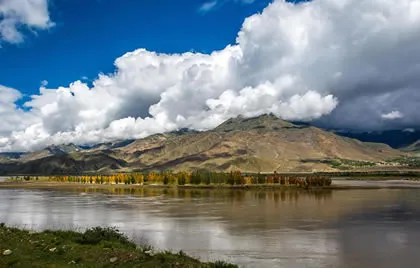
Cultural immersion isn't a checklist of landmarks or a series of scheduled performances. It's the connection between a place, the people who inhabit it, and the stories they carry. In Vietnam, these stories are almost always written in water. How can one understand a landscape without feeling the pulse of its primary artery? The Mekong in the south and the Red River in the north serve as the nation's cultural cradles, where life remains tethered to the seasonal rise and fall of the currents.
While land-based travel often positions the visitor as a spectator looking through a window, our cultural river cruises in Vietnam prioritize an insider perspective. Instead of bypassing remote villages on a highway, we moor alongside them, allowing for a level of intimacy that paved roads can't provide. Heritage-led travel acts as a protective vessel for the stories of local communities, ensuring their traditions remain vibrant and respected through thoughtful engagement rather than mere observation. Engaging with our expeditions allows you to witness these differences firsthand, moving beyond the surface of the tourist experience to find the people and stories that remain tethered to the water.
Deciding Between the North and South
In the south, life is a rhythmic dance with the tides. The Mekong Delta is a labyrinth of waterways where cultural immersion tours in Vietnam focus on the heritage of river trade. You might find yourself drifting through a bustling floating market or stepping ashore to visit a family-run silk workshop where the clatter of looms has echoed for generations. The intimacy of these encounters is best experienced on the Classic Mekong, where small vessels reach remote riverside monasteries and hidden communities that land tours simply overlook.
Journeying north reveals a more stoic atmosphere. The Red River Delta is the birthplace of many Vietnamese traditions, including the evocative art of water puppetry, which originated in flooded rice paddies over a thousand years ago. This region is a land of historic trade villages and colonial echoes. Navigating these waters, particularly on the Halong Bay & The Red River route, allows for a deep dive into the legacy of the 'Bay of Descending Dragons'. It's a landscape of limestone karsts and quiet riverside communities where the connection to the past feels tangible in every stone-paved path.
The Small Ship Advantage
While road infrastructure in Vietnam continues to develop, many of the most heritage-rich villages remain physically unreachable by large buses or standard land tours. This is where the technical design of a vessel becomes a tool for discovery. Our shallow-draft ships are engineered to navigate the silt-heavy, narrow channels of the Mekong and Red River, providing access to locations that larger vessels simply cannot reach. This technical superiority is the foundation of our cultural immersion tours in Vietnam, ensuring that the journey is defined by the destination rather than the limitations of the transport.
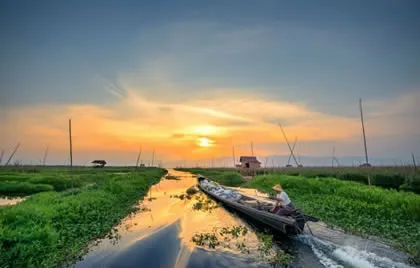
There's a common concern that a cruise might feel detached from the local reality. However, with only 20 to 30 guests on board, the experience is one of shared intimacy rather than mass-market tourism. This small scale allows for a flexible, purposeful pace. Sometimes the most profound moments happen during an unscheduled stop at a riverside hamlet, chosen simply because the golden light on the landscape is too beautiful to bypass. It's a way of traveling that respects the rhythm of the river and its people.
To find your own path through these waterways, explore our full range of river expeditions.
Frequently Asked Questions
What is the best time of year for a cultural immersion tour in Vietnam?
The ideal timing for cultural immersion tours in Vietnam is best between October and March offering cooler, misty weather that's perfect for visiting temples. In the Mekong Delta, the dry season from November to February provides the most comfortable conditions for navigating floating markets. While the rainy season from May to October brings tropical downpours, it also creates the lush, green landscapes the region is famous for.
How do river-based tours differ from land-based cultural trips?
River expeditions provide access to remote riverside communities that remain untouched by modern road infrastructure. Unlike land-based trips that often involve long hours on buses, river travel allows the landscape to unfold at a rhythmic, unhurried pace. You'll wake up in the heart of the community rather than a city hotel. This perspective shifts the traveler from being a spectator behind a window to an insider participating in the river's daily life.
Are these tours suitable for travelers interested in history and spiritual traditions?
These expeditions are designed for those who value history and spiritual depth over standard tourist entertainment. The itineraries focus on colonial trade routes, historic cities, and ancient religious sites, such as remote pagodas.
What kind of local interactions can I expect on a Vietnam river expedition?
You can expect to connect with local artisans, farmers, and families in their own environments. Interactions often include visiting family-run silk workshops, exploring local markets with our crew, or receiving blessings at riverside monasteries. Because our small ships carry only 20 to 30 guests, these encounters remain intimate and respectful. This low-impact approach ensures that your presence is welcomed by the community, allowing for stories to be shared naturally.
Do I need any special preparation for visiting remote riverside villages?
Preparation is straightforward but requires respect for local customs. When visiting spiritual sites or remote hamlets, modest dress that covers shoulders and knees is essential. You'll also need a passport valid for six months and a Vietnam e-visa, which currently costs $25 for single entry. If arriving at Tan Son Nhat airport in Ho Chi Minh City, remember to complete the mandatory online declaration and the health declaration within 72 hours of arrival to receive your required QR code.