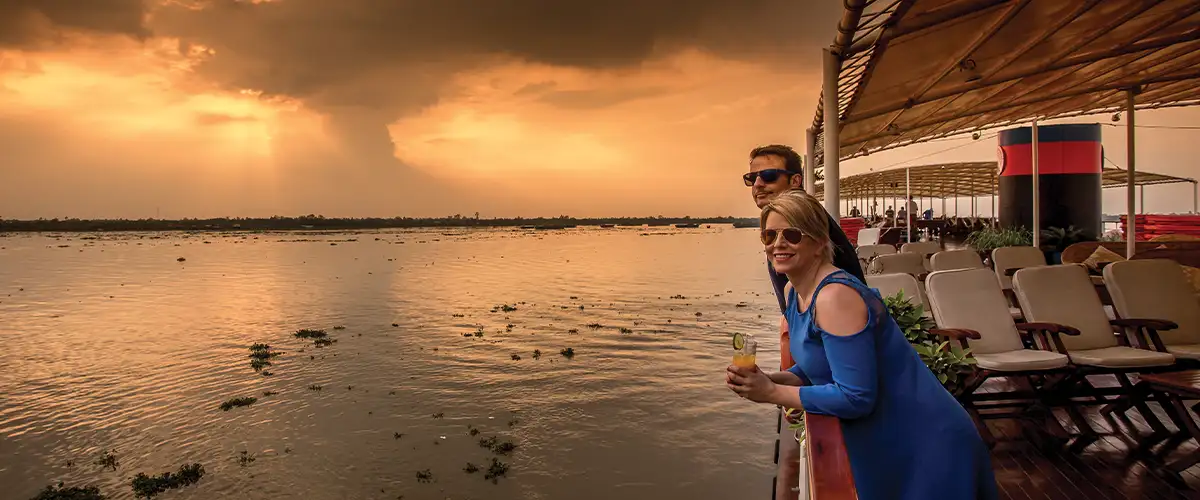
If you want a Mekong journey that feels personal rather than packaged, the key is choosing a ship that can reach the river’s hidden places. Many travelers worry about being on a vessel that stays far from real village life or the quiet temples along the banks. It’s a valid concern. Larger ships often can’t navigate the shallow, winding sections that define the Mekong’s character. Choosing a Mekong river cruise means looking past standard amenities and paying attention to the vessel’s draft, engineering, and ability to access remote waterways.
You’re likely seeking a trip where the morning mist reveals daily river traditions, not a busy pier. This guide shows you how to select a voyage built around cultural connection and navigational reach. You’ll get a clear breakdown of the differences between the bustling Delta and the secluded Upper Mekong, understand why small‑ship craftsmanship matters, and learn how to ensure your itinerary includes the hidden stretches that larger vessels can’t enter.
Navigating the Geographic Divide: Choosing Your Mekong Route
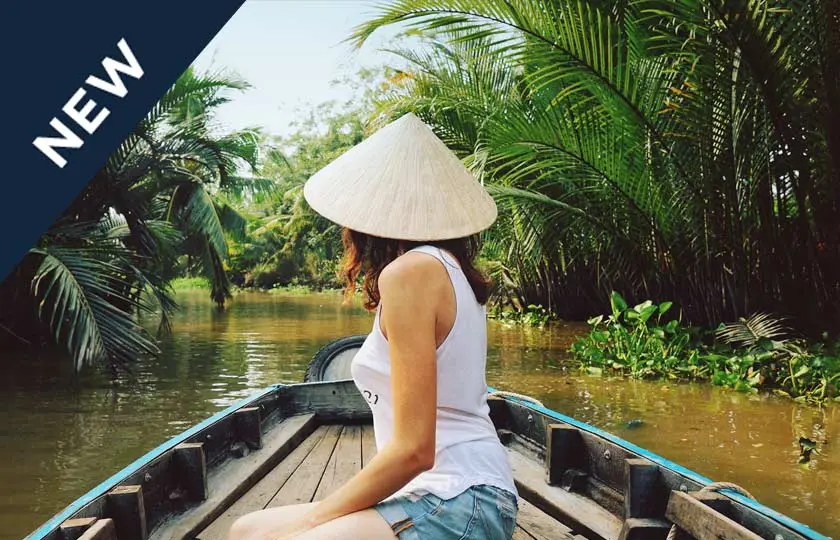
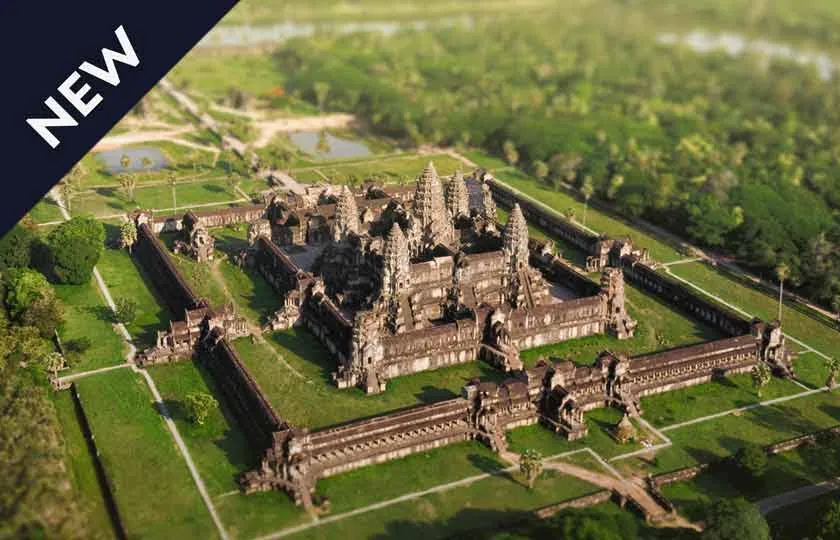
Deciding where to begin requires a look at the river's distinct personalities. The Lower Mekong weaves through a dense cultural tapestry where the river remains the primary site of commerce and connection. Travelers witness the vibrant energy of the Mekong Delta, characterized by floating markets and colonial-era trading posts that have changed little over the decades. On The Classic Mekong, a 7-night expedition, the journey transitions from the French-influenced architecture of Saigon to the spiritual silence of Angkor. A particular highlight is the crossing of the Tonle Sap. This seasonal event requires specialized vessels with shallow drafts to navigate the shifting water levels, ensuring access to the heart of Cambodia even when the river recedes.
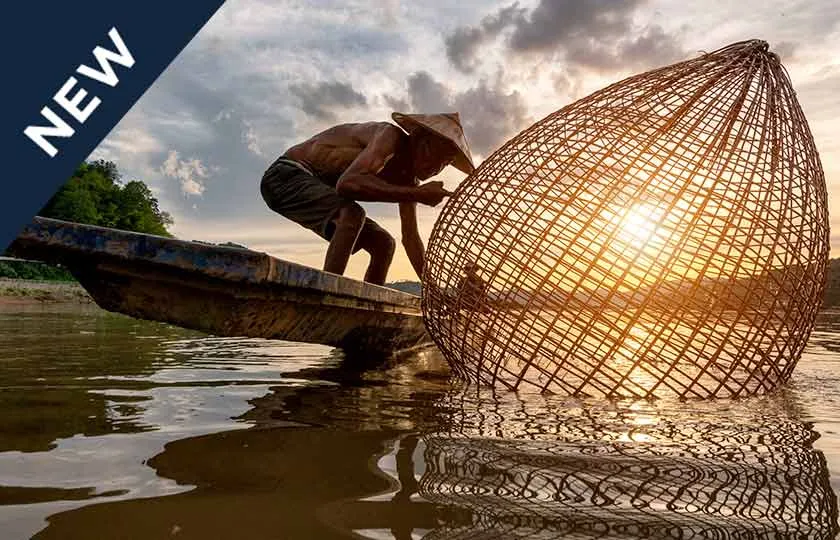
For those seeking a slower pace, the river north of the Khone Falls offers a different world entirely. Here, the river narrows, and the jungle takes hold, replacing the busy trade routes with dramatic limestone karsts and secluded riverbanks. A journey on the Laos Mekong focuses on the discovery of Luang Prabang, a UNESCO World Heritage site of golden temples and morning alms. It's a journey for the adventurous, where the absence of mass-market tourism allows for a deeper understanding of the remote jungle villages that cling to the river's edge.
Evaluating Vessel Design: Small-Ship Intimacy vs. Large Liners
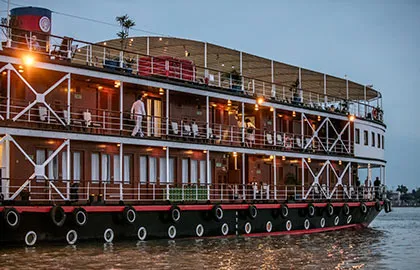
The vessel you choose acts as the lens through which you view the river landscape. Large liners often resemble modern hotels, prioritizing amenities over the shifting scenery outside. In contrast, small-ship expeditions focus on intimacy and a direct connection to the waterway. When considering how to choose a Mekong River cruise, look for a high crew-to-guest ratio. This fosters a sense of community among travelers who are there to understand the culture rather than just observe it. A smaller vessel allows for spontaneous interactions and a quiet, atmospheric environment that larger ships simply cannot replicate.
Navigational Access and Shallow Drafts
Technical design is a critical factor in how to choose a Mekong River cruise. A vessel with a shallow draft can reach remote villages and moor directly at the riverbanks. This capability is vital during the low-water season when water levels can change rapidly. Data from the Mekong River Commission shows how these seasonal shifts impact navigation, making specialized hull designs essential for reaching secluded locations. This design philosophy is central to our Asia river cruises, where we prioritize depth and discovery over mass-market convenience. To begin planning your own journey, you might consider browsing our full range of handcrafted river expeditions.
Planning Your Expedition: Timing, Logistics, and Extensions
Planning an expedition requires a balance of timing and logistical foresight. When deciding how to choose a Mekong River cruise, the calendar plays a vital role in the atmosphere you'll encounter. While many travelers favor the cooler months, the green season offers a vibrancy that's often overlooked. Selecting an expedition with all-inclusive fares ensures your focus remains on the river's stories rather than the details of the bill. Pre- and post-cruise extensions bridge the gap between the quiet rhythm of river life and the vibrant energy of urban exploration.
Seasonal Nuances of the Mekong
High Water occurs between August and November, revealing the river at its most powerful. During these months, the Delta is a lush expanse of emerald green, and the water levels allow for a deeper reach into the smaller tributaries. Conversely, the Low Water season runs from December to April, offering cooler evening temperatures and a slower pace. Navigation remains reliable for vessels with specialized hull designs, providing a tranquil environment to observe the local communities as they adapt to the receding waters.
Extending the Journey
For those seeking a shorter introduction to the waterway's history, the Saigon to Phnom Penh route captures the transition from Vietnam's trading heritage to the spiritual heart of Cambodia. To gain a deeper understanding of the river's complexity, many explorers look to The Classic Mekong as the foundation for their planning. Combining these river voyages with land-based hotel packages in Siem Reap or Saigon allows for a fuller discovery of the ancient temples and colonial cities that define the region. Understanding how to choose a Mekong River cruise ultimately comes down to finding a pace that respects both the destination and your own sense of curiosity.
We invite you to explore our Mekong River expeditions and begin your own story on these historic waterways. The river is waiting to reveal its secrets to those who travel with curiosity and respect.
Frequently Asked Questions
What is the best month for a Mekong River cruise?
The ideal time for a journey depends on whether you prefer cooler weather or vibrant, green landscapes. November through February offers the most temperate climate for exploring temples and villages. Travelers who choose the high-water season between August and November will witness the river at its most powerful, with lush scenery and deeper access into the Delta's smaller tributaries.
Do I need a visa for both Vietnam and Cambodia on a Mekong cruise?
Most travelers require separate visas for both Vietnam and Cambodia to complete the full river transit. While Vietnam offers an e-visa system for many nationalities, Cambodia typically requires a Visa on Arrival for those entering via the waterway from Vietnam. You should carry cash for the Cambodian visa fee, usually between $35 and $50, as electronic visas aren't always accepted at river border crossings.
What is the difference between a luxury river cruise and an expedition cruise?
The distinction centers on whether the focus remains on the vessel's internal amenities or the destination's cultural depth. A luxury cruise often functions like a modern hotel with large spas and staged entertainment. When learning how to choose a Mekong River cruise, an expedition focus prioritizes intimacy and discovery. These voyages use handcrafted vessels to reach remote locations, fostering a quiet atmosphere and a direct connection to the local communities.
Can large river ships reach the same villages as small teak vessels?
Large river ships are restricted to the deepest channels and cannot access the secluded villages found on smaller tributaries. Handcrafted teak vessels utilize shallow-draft technology to moor directly at the riverbanks. This technical advantage allows guests to step off the ship and into the heart of riverside life, visiting remote temples and heritage sites that remain closed to larger, deep-draft liners.