India River Cruise: A Guide to the Subcontinent’s Sacred Waterways
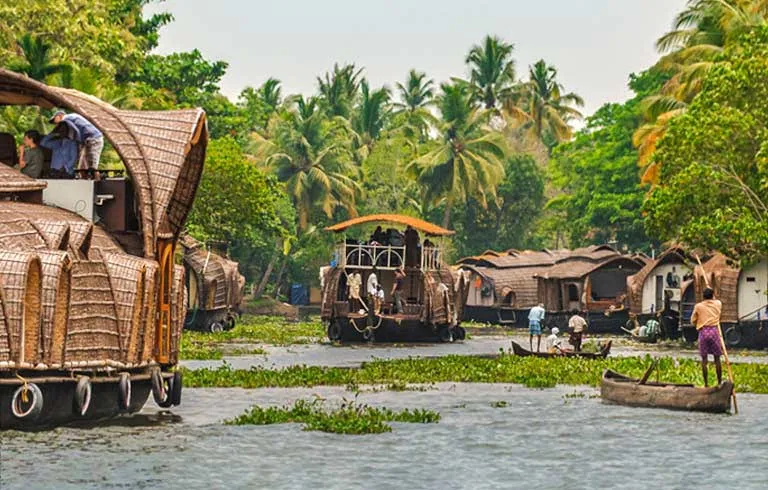
India is often experienced through its busiest cities and most photographed landmarks, but the country’s deeper stories are found far from the crowds, along the rivers that have shaped its culture, trade, spirituality, and daily life for centuries. An India river cruise offers a slower, more immersive way to explore the subcontinent, replacing packed streets and long road journeys with quiet mornings on the water, remote temple visits, artisan villages, and landscapes that remain largely untouched by mass tourism. From the spiritual atmosphere of the Ganges to the untamed wilderness of the Brahmaputra, each river reveals a different side of India, best experienced aboard small handcrafted ships designed to navigate waterways larger vessels simply cannot reach.
Navigating the Sacred: Comparing India’s Rivers
India's waterways are not uniform; they are as varied as the diverse landscapes they carve through the subcontinent. While many travelers view the river simply as a path between major cities, a well-planned India river cruise reveals that the water itself is the destination. Understanding the nuances of India's major river systems is important for finding the journey that matches your specific curiosity. Whether you are drawn to the meditative rituals of the north or the wild, untamed reaches of the east, each river system tells a different story of the Indian experience.
The Ganges: India’s Spiritual Artery
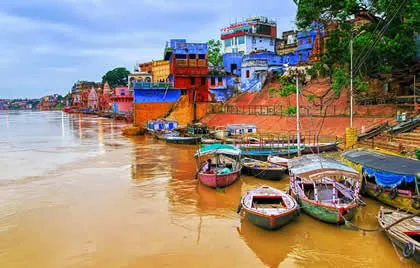
The Ganges and its distributary, the Hooghly, offer a passage through the heart of Bengal’s colonial and spiritual history. In the Lower Ganges, the journey is defined by the quiet elegance of silk-weaving villages and the intricate craftsmanship of 18th-century terracotta temples. As you transition to the Upper Ganges, the cultural landscape shifts. The river broadens, and the atmosphere becomes more contemplative as you approach ancient sites of worship and the historic city of Varanasi. This route is perfect for those who value deep cultural immersion and the layered stories of trade and faith. You can experience the full breadth of this waterway on The All Ganges River Cruise, which connects these distinct regions seamlessly.
The Brahmaputra: Wilderness and Tea Gardens
For those drawn to animals, the Brahmaputra provides a more rugged, expeditionary experience. This is one of the world's most powerful rivers, famous for its braided channels and shifting sandbanks that require expert navigation. A journey here focuses on the untamed plains of Assam, offering wildlife encounters in Kaziranga National Park and visits to historic tea estates that date back to the colonial era. The rhythm here is different; it's about the scale of the landscape and the presence of the wild. If your interests lean toward natural history and remote discovery, The Brahmaputra River Cruise provides an intimate base for exploring this formidable river system away from the typical tourist trails.
Small-Ship Expeditions vs. Luxury Liners: A Different Way to Sail
Choosing an Indian river cruise often comes down to a choice between scale and substance. Many modern vessels are designed as floating hotels, prioritizing onboard distractions over the destination itself. Small-ship expeditions take the opposite approach. With a lower passenger count, the atmosphere is one of shared discovery rather than anonymous tourism. It's the difference between watching a village from a high, distant deck and mooring directly at its bank to walk among the local community. This intimacy allows for a deeper connection with the people and places that define the river's character.
Locally hired crews and expert guides also add to the experience. They don't just point out landmarks; they share the nuanced stories of their own regions. This provides a level of insight that a standardized cruise program can't replicate. You're traveling with people who understand the river's moods and the secrets of the villages along its banks. If you're ready to move beyond the typical tourist path, you can view our expedition routes to see how these journeys unfold.
The Advantage of Shallow Drafts
Indian rivers are dynamic. Water levels fluctuate significantly between seasons, particularly on the Brahmaputra and the Ganges. Large liners with deep drafts are often restricted to main channels and established commercial ports. In contrast, handcrafted vessels with shallow drafts can navigate where others cannot. By trading staged features like swimming pools for technical agility, these ships reach remote heritage sites and rural communities that remain untouched by mass tourism. This specialized design ensures access to the river's most secluded reaches even when water levels are low.
Craftsmanship and Heritage Onboard
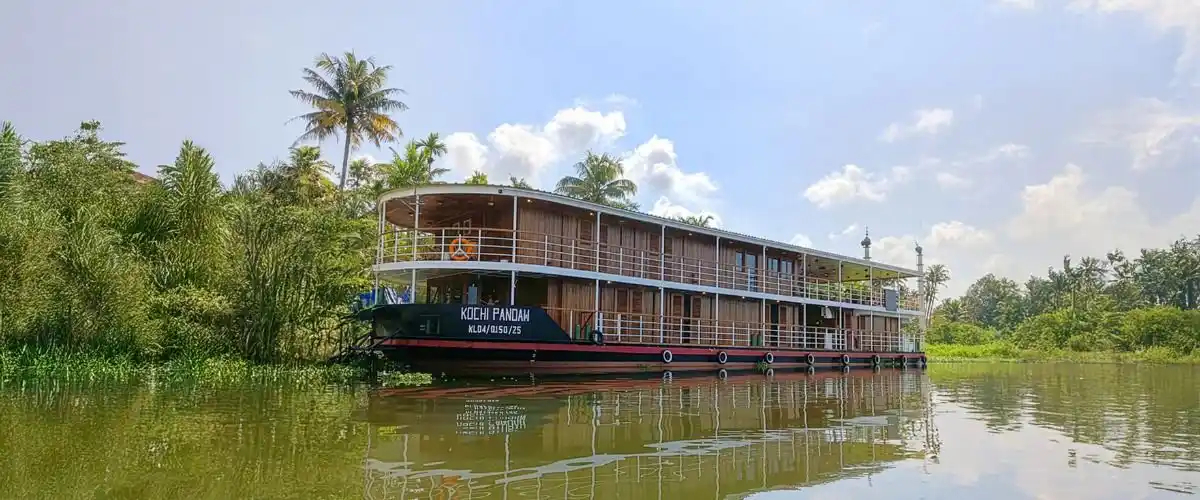
The physical environment on a small ship evokes the romance of a different era. Instead of the steel and glass found on modern liners, you'll find hand-finished teak, polished brass, and colonial-style architecture. This design isn't just for aesthetics; it's a continuation of the legacy of the historic Irrawaddy Flotilla Company. The tactile experience of these materials creates a heritage-rich base that feels appropriate for the history you are exploring. It's a comfortable, quiet space that honors the maritime traditions of the past while providing a refined setting for modern exploration.
Beyond the Golden Triangle
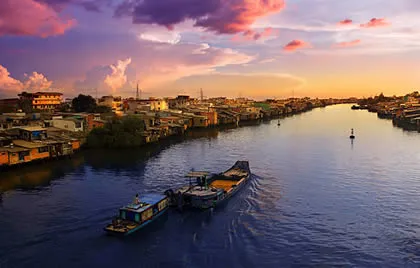
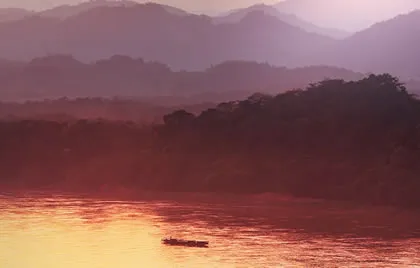
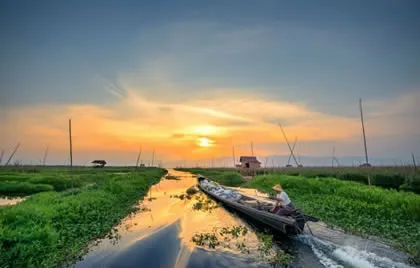
While the Golden Triangle offers a glimpse into India's monumental past, the country's spirit often lies in the spaces between these famous landmarks. An India river cruise bypasses the crowded tourist trail, inviting you into a world of quietude and craftsmanship. Here, the landscape is defined by the soft, golden light of late afternoon reflecting off the water. Expert guides don't just act as navigators; they are storytellers who bring the history of ancient river trade routes to life. You'll witness the daily rhythms of local life, from bustling rural markets to specialized artisan centers where traditional skills are preserved through generations.
Hidden Temples and Lost Cities
The riverbanks are home to architectural treasures that remain largely invisible to those traveling by road. In Kalna, you can explore a stunning complex of 108 terracotta temples, each dedicated to Shiva and arranged in concentric circles. Further along, the ruins of former East India Company trading posts tell the story of the complex intersection between colonial history and local traditions. These sites offer a thoughtful perspective on the region's layered past, allowing for a deep understanding of how trade and faith shaped the modern landscape. Exploring these secluded locations provides a sense of discovery that is often lost in more commercialized travel hubs.
Seasonal Considerations for 2026
The river's character changes with the seasons. High-water periods following the monsoon offer a sense of expeditionary scale, while low-water months reveal intricate sandbanks and closer views of riverbank life. In late 2026, travelers might time their journey to coincide with regional heritage events. The Hornbill Festival in December is a significant cultural gathering in the northeast, which can be reached through our Nagaland and Brahmaputra expedition. These local melas provide a window into traditions that have remained unchanged for centuries.
Seamless Extensions
To make the most of your time in the subcontinent, consider integrating your India river cruise with land-based heritage stays. Starting your journey with a few nights in Kolkata or Delhi allows you to adjust to the local rhythm before boarding. Many guests also choose to link their Indian experience with other storied waterways in the region. You can transition from the sacred rivers of India to the colonial charm of The Classic Mekong, creating a multi-country expedition that explores the shared maritime heritage of South and Southeast Asia. This approach allows for a deeper understanding of the trade routes that once connected these diverse cultures.
Embarking on a Journey of Discovery
An India river cruise is more than a holiday; it's an invitation to witness the enduring soul of the subcontinent from a unique perspective. By choosing small-ship expeditions over mass-market liners, you gain access to the quiet beauty of rural villages and the stories of local artisans that larger vessels must bypass. Whether you find yourself drawn to the meditative rituals along the Ganges or the untamed wilderness of the Brahmaputra, the experience is defined by a slow, purposeful pace. It's travel as it was meant to be.
As pioneers of boutique river cruising since 1995, we remain dedicated to the intersection of exploration and refined comfort. Our handcrafted brass and teak vessels provide a heritage-rich base for your travels, while our expert locally-hired guides and crews offer insights that only those who call the river home can provide. This is a journey for the curious traveler who values substance, intimacy, and a respectful connection with the places they visit. We look forward to welcoming you aboard for a season of meaningful exploration.
Explore our handcrafted India River Expeditions for 2026
Frequently Asked Questions
What is the best time of year for a Ganges river cruise?
The ideal window for a journey along the Ganges is between October and March, when the monsoon has passed, and the climate is cool. During these months, the river remains navigable, and the humidity is low, making shore excursions to temples and artisan villages much more comfortable. It's the perfect time to witness the soft, golden light on the water that defines this region's atmospheric landscape and quiet rural life.
How do India river cruises differ from European river cruises?
India river cruises differ from European sailings by focusing on remote discovery and cultural immersion rather than city-to-city transit. European cruises often use larger ships with deep drafts, whereas Indian waterways require smaller, specialized vessels. These handcrafted ships navigate braided channels to reach villages untouched by mass tourism. The emphasis remains on heritage and intimate connections with local communities rather than onboard entertainment or staged features.
Is it safe to travel on a river cruise in India?
Traveling by river is one of the most secure ways to explore the subcontinent. A small ship provides a private, heritage-rich base that moves away from the overwhelming crowds and traffic of major urban centers. Expert locally-hired crews manage all logistics and shore excursions, ensuring that your encounters with local communities are respectful and well-coordinated by those with deep regional knowledge and specialized navigational expertise.
Do I need a special visa for the Brahmaputra River in Assam?
Most international travelers can explore the Brahmaputra with a standard Indian e-Tourist Visa, which is available for 30 days, one year, or five years. You should apply via the official government portal at indianvisaonline.gov.in at least four days before your arrival. While Assam is generally open, certain remote tribal areas or specific protected parks may require additional permits. These are typically arranged in advance by your expedition organizers to ensure a seamless journey.
What should I wear when visiting temples during the cruise excursions?
Modesty and respect are the primary considerations when dressing for temple visits along the river. You should ensure that both your shoulders and knees are covered; a light cotton scarf or wrap is often useful for this purpose. Since shoes must be removed before entering sacred spaces, wearing slip-on footwear or carrying a pair of socks will make the transition from the riverbank to the temple much easier and more comfortable.