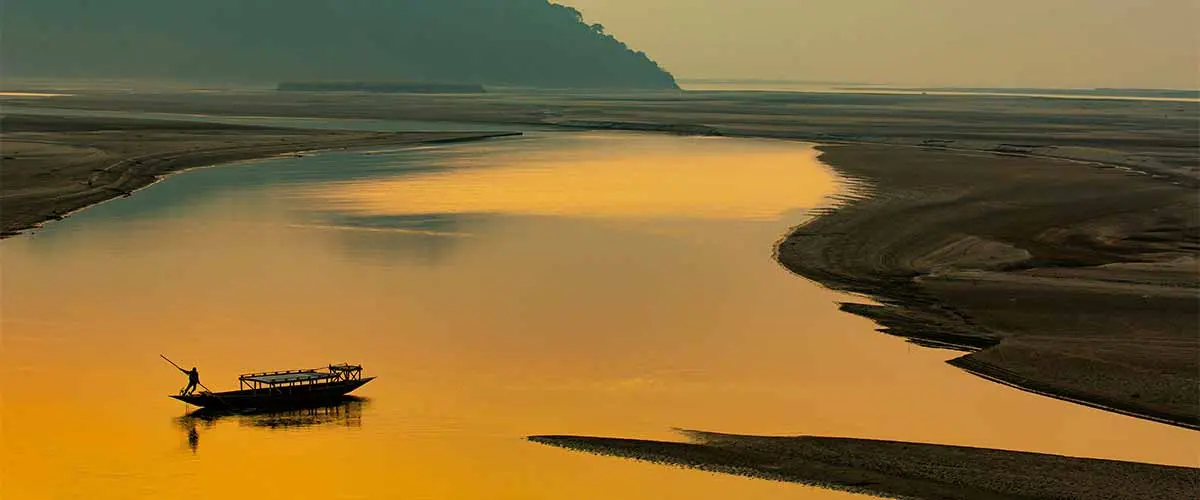
Along the banks of the Brahmaputra River lies Mayong, a village steeped in centuries of folklore. Known across India as the "Land of Black Magic," Mayong has captivated curious travelers with its blend of legend and history. This article delves deep into the village's past, examining its historical roots, enduring practices, and status as a tourist destination.
Historical Context and Ancient Legends
Mayong's history is intertwined with the rise of the Ahom dynasty that ruled Assam for six centuries. Historical records suggest the village served as both a spiritual center and strategic stronghold during this period. The most enduring legends connect Mayong to Indian epics, particularly the story of Ghatotkacha from the Mahabharata, who is said to have come here to master supernatural powers before crucial battles.
Arguably the most famous legend involves a Mughal army that allegedly disappeared in Mayong's forests during their attempted invasion of Assam. Various accounts suggest the entire battalion vanished without trace, some claiming they were transformed into animals through black magic, while others believing they fell victim to guerrilla tactics by local warriors who used the forest terrain to their advantage. Whatever the truth, these stories served an important purpose in cementing Mayong's fearsome reputation and deterring future invaders.
The British Colonial Era and Survival of Traditions
When British colonial forces arrived in Assam during the 19th century, they documented Mayong's mystical practices with a mixture of fascination and skepticism. Colonial administrators attempted to suppress what they viewed as primitive superstitions, particularly the practice of mantra ritual chants and spells. However, the villagers preserved their knowledge through storytelling and passed handwritten manuscripts down across generations.
The manuscripts represent a cultural legacy, containing recorded instructions for a wide range of traditional practices, from medicinal remedies and healing chants to agricultural rituals and protective blessings. Currently, approximately 35 of these original manuscripts have been conserved at the Mayong Central Museum. Founded in 2002, the museum serves as the village's primary cultural archive, showcasing an extensive collection of ritual artifacts and ethnographic displays that provide insight into the historical development of Mayong's unique traditions.
Mayong in the Modern Era
Today, Mayong is recognized by the Assam government for its historical significance, welcoming visitors with improved infrastructure and immersive experiences. For travelers cruising the Brahmaputra River aboard the RV Kindat Pandaw, will be able to explore the Mayong Central Museum's rare manuscripts, witness demonstrations of traditional healing practices, and engage with local storytellers who keep these legends alive.
Whether drawn by anthropology, history, or the allure of the unknown, Mayong presents an encounter with Assam's living folklore. As research continues to decode its ancient texts, this mystical village remains a highlight of Pandaw's Brahmaputra itineraries and a place where centuries-old beliefs still shape the present.