Mekong Vietnam: A Guide to the Lush Mekong Delta
To understand the Mekong in Vietnam, you have to look past the busy tourist piers and the fast-paced day trips from Saigon. Many travelers feel unsure about how to explore the delta properly. Its maze of waterways can be confusing, and it is easy to worry that authentic river life is slipping away behind mass tourism.
This guide gives you a clear look at the history, culture, and daily life that shape the Vietnamese Mekong Delta. We explore the river’s old trade routes, the changing nature of its floating markets, and the ways modern development is reshaping the region. You gain insight into navigating these lush waterways in a more intimate way, moving beyond the crowds to find the quiet, golden light of the remote delta.
The Living Landscape of the Mekong Delta
The Mekong represents the final chapter of a 4,350-kilometer journey through six nations. Known locally as Cuu Long, or "Nine Dragons," the river dissolves into a vast network of distributaries before meeting the sea. This isn't just a geographic endpoint; it's a living ecosystem where the land and water are linked. The silt-rich waters have created one of the most fertile regions on earth, often referred to as Vietnam's "rice bowl." It's a place where the horizon is dominated by emerald rice paddies and the dense, tangled roots of mangrove forests.
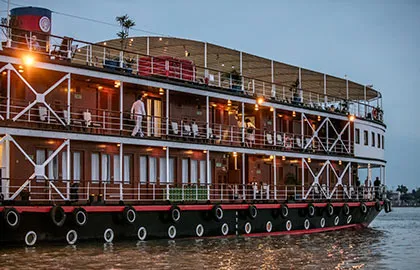
In Vietnam, the river splits into two main branches: the Tien Giang (Upper River) and the Hau Giang (Lower River). These branches further divide into smaller canals and streams, creating the labyrinthine Mekong Delta that sustains millions of people. The alluvial silt deposited here over centuries provides the nutrients required for the region’s agriculture. Pandaw's handcrafted teak vessels, featuring shallow drafts of approximately 90cm to 120cm, are specifically designed to navigate these narrower reaches. This technical capability allows us to bypass the deep-water channels used by larger ships, bringing guests closer to the secluded villages that rely on the river’s bounty.
During the dry season, the delta is bathed in a soft, golden light that illuminates the vibrant greenery of the orchards. When the monsoon arrives, the atmosphere shifts. Dramatic morning mists cling to the water's surface, and the river rises to reclaim its floodplains. Local traditions and festivals align with these cycles, celebrating the harvest and the spiritual significance of the water. Traveling along the Classic Mekong route offers an intimate look at these seasonal shifts, where the pace of life remains anchored to the river’s ancient pulse.
Floating Markets and Riverine Traditions
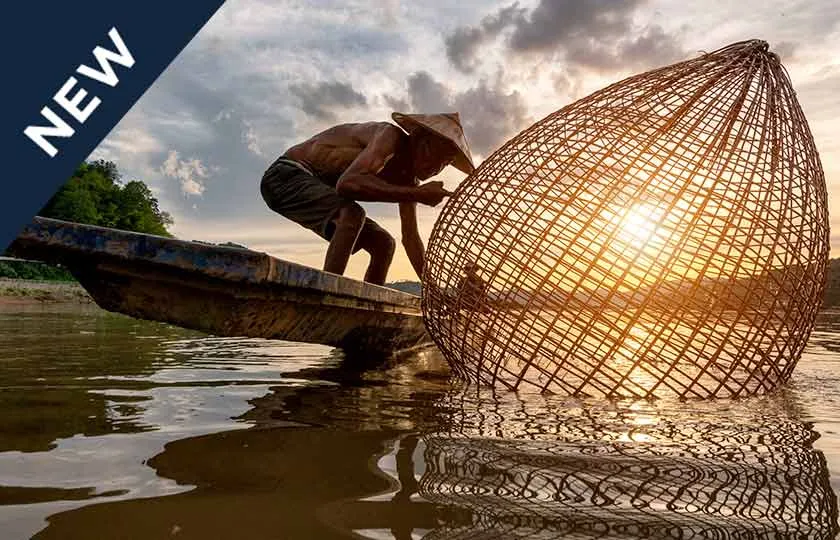
For generations, the river has served as the heartbeat of commerce in the Mekong. These floating markets aren't mere tourist attractions; they're the original trade hubs where the pulse of the delta is most palpable. The air is thick with the scent of fresh pineapple and the briny tang of the river, punctuated by the rhythmic clatter of wooden sampans and the melodic calls of vendors negotiating prices. It's a sensory tapestry that reveals the enduring connection between these communities and their ancestral waterways, where life remains focused on the water's edge.
While modern bridges and roads have altered regional logistics, traditional markets still thrive in the delta's quieter corners. Since 2020, commercial activity at the famous Cai Rang market has decreased by 70-80%, leading travelers to seek the more secluded and traditional atmosphere of Long Xuyen or Chau Doc. Vendors signify their inventory by hanging samples of their produce from a cay beo, a bamboo offering pole that rises above the deck of each boat. This system allows buyers to navigate the crowded currents with purpose, identifying the day's harvest from a distance.
Away from the main channels, tucked into the banks of the Tien and Hau rivers, are villages where heritage is preserved through craftsmanship. In the borderlands near Cambodia, the process of silk weaving continues to reflect the historic trade routes of Indochina, connecting the delta to a broader regional history. These crafts, ranging from pottery to mat weaving, are spiritual traditions passed down through families rather than commercial ventures. Choosing the Mekong allows for a deeper exploration of these riverside workshops and the stories they hold. You can discover these hidden corners and the people who keep these traditions alive on our river expeditions.
Exploring Historic Waterways: The Legacy of Mekong Navigation
The history of navigation along the Mekong in Vietnam is a saga of ambition and discovery. Long before modern borders existed, ancient Khmer routes crisscrossed these wetlands, followed centuries later by the steamships of French Indochina. This river wasn't just a physical barrier; it was the link that connected the bustling markets of Saigon to the deep interior of the Southeast Asian continent. Today, the legacy of these historic trade routes is best experienced not through the speed of modern roads, but through the deliberate, rhythmic pace of the water.
From Colonial Trade to Modern Expeditions
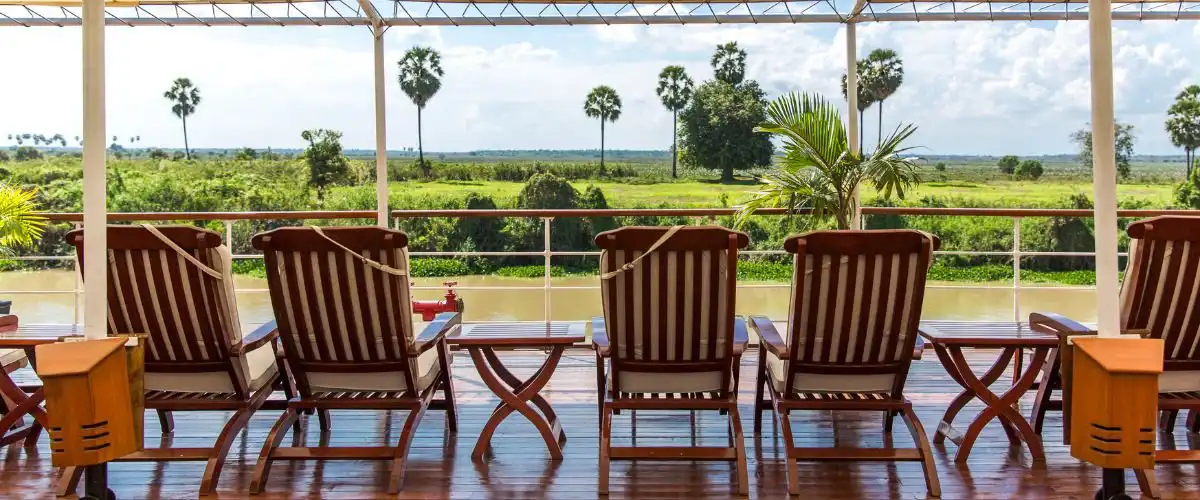
Our approach to river travel draws inspiration from the legendary Irrawaddy Flotilla Company, which pioneered steam navigation in the region during the 19th century. By reviving this tradition, we use handcrafted teak vessels that evoke the romance of an earlier era. These ships aren't just recreations; they're designed to honor the architectural heritage of the colonial period while providing a stable, quiet platform for exploration. For those seeking to trace these paths, our route from Saigon to Phnom Penh offers a window into how these waterways shaped the geopolitical landscape of Indochina.
Embrace the Timeless Flow of the Delta
The Mekong is a region where history flows as steadily as the current. From the geographic masterpiece of the Nine Dragons to the intricate crafts of riverside artisans, the delta remains a place of depth and quiet beauty. Understanding this landscape requires a shift in perspective, moving away from the hurried pace of modern tourism toward a slower, more deliberate form of exploration that honors the ancient traditions of the river.
As pioneers of Mekong river cruising since 1995, we've spent decades perfecting the art of the river expedition. Our handcrafted brass and teak colonial-style vessels are specifically designed to navigate the narrowest channels, guided by expert local crews who possess deep regional knowledge. This level of intimacy ensures that every journey provides a direct connection to the heritage of the river, reaching secluded communities far from the reach of larger ships.
We invite you to step aboard and experience the delta as it was meant to be seen. Explore our handcrafted Mekong expeditions and discover the enduring allure of these historic waterways. The river is waiting to reveal its stories.
Frequently Asked Questions
What is the best time of year to visit the Mekong Delta in Vietnam?
The most comfortable period to explore the Mekong Delta in Vietnam is between November and February, when the dry season brings cooler temperatures and clear, golden light. This window avoids the peak humidity of the summer months.
Do I need a visa to travel between Vietnam and Cambodia on the Mekong?
Travelers moving between these two nations require valid visas for both Vietnam and Cambodia. As of July 2026, the Vietnam e-visa costs $25 for single entry and $50 for multiple entry, and must be obtained through the official government portal before arrival. Since the Visa on Arrival program was discontinued in 2022, it's essential to have your documentation secured to ensure a seamless transition across the river border.
What should I wear for a river expedition in the Mekong Delta?
We recommend packing light, breathable clothing made from natural fibers like cotton or linen to remain comfortable in the heat. While the atmosphere on our teak vessels is relaxed, modest attire that covers shoulders and knees is required when visiting village temples or spiritual sites. Sturdy, comfortable walking shoes are also vital for navigating the uneven terrain of remote riverbanks and local artisan workshops during shore excursions.
Are the floating markets still active on the Mekong in Vietnam?
Floating markets remain an active part of the delta, though their character is shifting as modern roads develop. While commercial activity at famous sites like Cai Rang has decreased by 70-80% since 2020, more remote markets like Long Xuyen still offer an authentic glimpse into traditional riverine trade. Our small ships are uniquely positioned to reach these quieter reaches where the bamboo offering poles still dictate the morning's commerce.