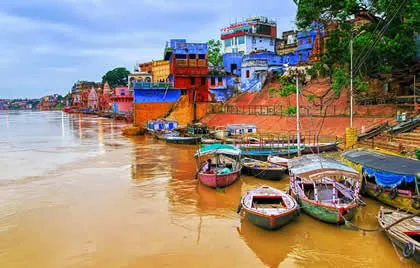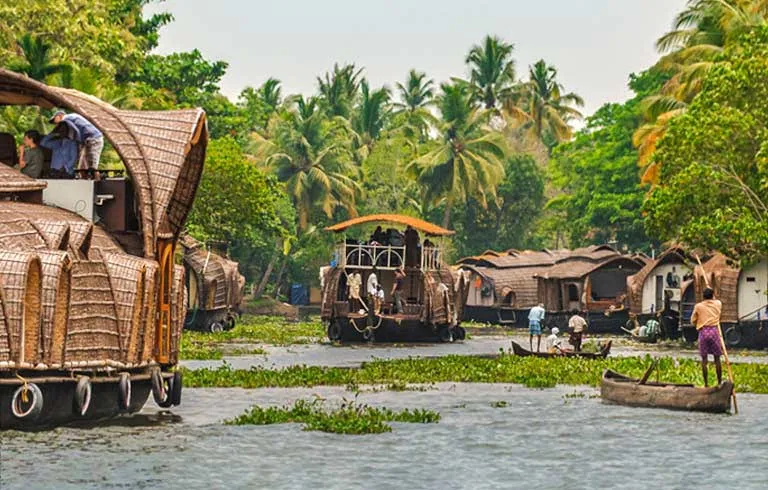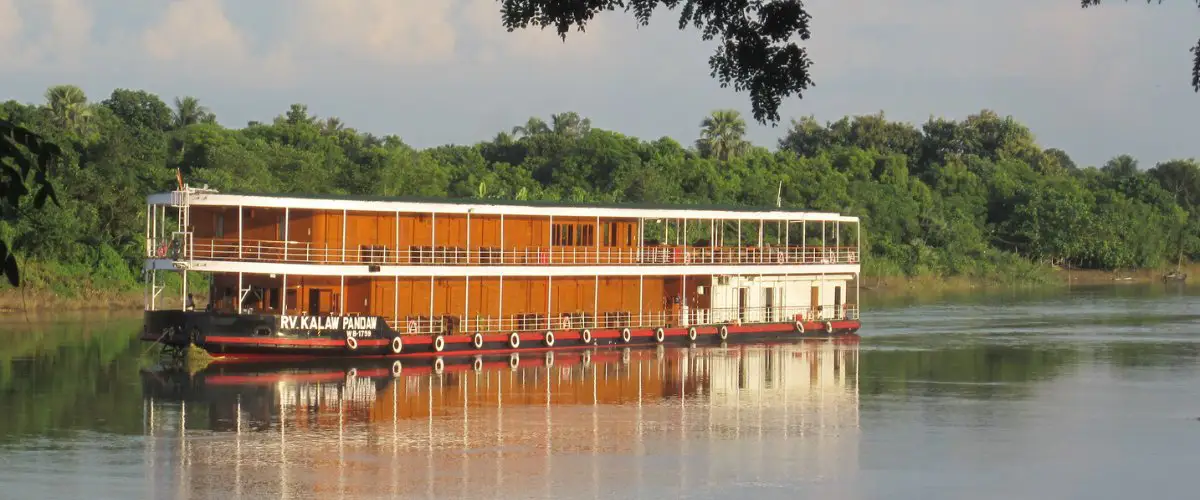
The Ganges is more than a river; it is a 1,600-mile corridor of history, spirituality, and daily life. A journey along its full navigable length, from the colonial port of Kolkata to the ancient city of Varanasi, offers a true adventure into the heart of India. This expedition is only possible on small, shallow-draft vessels designed to navigate the river’s shifting channels, providing access to remote villages and sacred sites that remain beyond the reach of overland travel and larger ships.
What is the Full Ganges Expedition? Mapping the 1,600-Mile Journey
The Full Ganges expedition is a river journey that covers the entire navigable route from Kolkata to Varanasi. The voyage connects the Hooghly River, a major distributary of the Ganges in West Bengal, with the main river stream as it flows through Bihar and Uttar Pradesh. This route traces a path from India's former colonial capital to its enduring spiritual centre, making it one of the most significant river expeditions in Asia. Unlike shorter 7-day cruises that explore only a small section, the complete 14 or 21-day experience reveals the dramatic changes in landscape, culture, and history along the river's course.
The Geography of the Sacred
A Full Ganges expedition follows the river's transition from the lush, tropical delta of West Bengal to the plains of Bihar and Uttar Pradesh. This journey connects India’s colonial past in Kolkata with its ancient Vedic soul in Varanasi. Navigation on the modern river is defined by the Farakka Barrage, a structure that separates the lower Hooghly from the main Ganges. Crossing it is a key moment in the voyage, marking the transition into the upper reaches of this sacred waterway. (Ganges River overview)
Why 2026 is the Year for the Ganges
Interest in slow, meaningful travel is growing, and river expeditions offer a unique way to experience a country without the stress of crowded airports and train stations. Recent improvements to infrastructure at remote ghats (riverfront steps) have made shore excursions more accessible than ever. For travellers seeking a deep cultural immersion, a river journey in 2026 presents an ideal opportunity to explore India's spiritual heartland at a comfortable pace.
Navigating the Sacred and the Secular: Highlights of the Upper and Lower Ganges
The character of the Ganges changes along its length. The expedition is a tale of two distinct rivers: the colonial Lower Ganges and the ancient Upper Ganges. The journey showcases everything from European-inspired architecture and terracotta temples to vast, open sandbanks and the bustling ghats of the world's oldest living city.
-
The Lower Ganges (Hooghly River): This section is known for its rich colonial history, with former European trading posts dotting the riverbanks.
-
The Middle Ganges: After passing the Farakka Barrage, the river widens. This stretch is home to the Vikramshila Gangetic Dolphin Sanctuary, a protected habitat for this rare freshwater species.
-
The Upper Ganges: The final approach to Varanasi takes you into the spiritual core of Hindu India, where ancient rituals are practised daily on the river's edge.
Colonial Echoes in West Bengal
The banks of the Hooghly River are a museum of European colonial ambition. The journey includes visits to Chandannagar, with its French heritage, and Chinsurah, which showcases Dutch architectural influence. Further upstream, you can explore the magnificent terracotta temples of Kalna and the traditional brass-working village of Matiari. This part of the river offers some of the most diverse historical architecture in India. (History of the Ganges)
Spirituality and Wildlife in Bihar and Uttar Pradesh
As the vessel travels into Bihar and Uttar Pradesh, the focus shifts from colonial history to spirituality. Excursions can include visits to important Buddhist sites like Bodh Gaya and the ruins of Nalanda University, once a great centre of learning. The journey culminates in Varanasi, where guests witness the spectacular evening Aarti ceremony from the unique vantage point of the water.
The Engineering of Adventure: Why Shallow-Draft Vessels are Mandatory
The Ganges presents significant navigational challenges, including shifting sandbanks and dramatic seasonal fluctuations in water levels. These conditions make it impossible for large, deep-hulled cruise ships to travel beyond the lower reaches. Reaching Varanasi, especially during the dry season, requires a vessel with a specific design: an ultra-shallow draft. Pandaw's handcrafted ships, built from teak and brass, are designed to meet these exact requirements, ensuring safe passage along the entire route.
Small Ship vs. Large Vessel on the Ganges
The difference between a small expedition ship and a larger vessel on the Ganges comes down to access and experience.
-
Draft Depth: With a draft of just a few feet, Pandaw ships can navigate shallow channels to reach Varanasi year-round, a feat larger ships cannot guarantee.
-
Intimacy: A smaller passenger count (typically 30-40 guests) fosters a more personal and quiet atmosphere, allowing for deeper engagement with the surroundings.
-
Access: Small ships can moor at remote villages that have no road access, offering authentic cultural encounters far from the typical tourist trail.
Handcrafted Heritage: The Pandaw Fleet
Our vessels are designed in a classic colonial style, featuring brass fixtures, teak decks, and open-air promenades that provide 360-degree views of river life. This design is not just aesthetic; it is functional. The shallow draft and expert navigation by our experienced captains allow us to navigate the Ganges throughout the cruising season, providing a reliable and comfortable platform for exploration.

Planning Your Ganges Expedition: Logistics, Seasons, and Etiquette
A journey on the Full Ganges requires careful planning. From choosing the right time to go to understanding cultural norms, preparation is key to a rewarding experience. The philosophy of this expedition is 'slow travel', where the journey itself, and the life unfolding along the riverbanks, is the main destination.
The Best Time to Cruise the Full Ganges
The ideal season for a Ganges river cruise is between October and March. During these months, the weather is characterised by clear skies and manageable temperatures. The monsoon season, from June to September, is avoided due to high water levels and unpredictable conditions. Travellers in January may experience a cool morning mist, which often creates atmospheric and memorable views along the river.
Cultural Sensitivity and Shore Excursions
Respect for local customs is essential. When visiting sacred ghats, temples, and cremation sites in Varanasi, modest dress is required. Our local Pandaw guides are invaluable in these situations, helping to bridge the cultural gap between guests and villagers and ensuring all interactions are respectful. A Full Ganges expedition offers a unique window into India’s living culture, which we approach with both curiosity and respect.
The Pandaw Difference: Why We Are the Pioneers of the Ganges
With nearly thirty years of experience in Asian river expeditions, Pandaw has established a reputation for authentic and insightful journeys. We combine comfortable, handcrafted vessels with deep local knowledge to create an unparalleled travel experience.
-
Pioneering Experience: We were among the first to offer expeditions on Asia's great rivers, building on a rich heritage of exploration.
-
Expert Guidance: Our cruises are led by locally hired guides who provide authentic regional insights and historical context.
-
Shallow-Draft Vessels: Our fleet is purpose-built to navigate shallow waters, granting exclusive access to remote parts of the Ganges.
-
All-Inclusive Fares: Our pricing includes all excursions, meals, drinks (local spirits and beers), and transfers, ensuring a seamless journey.
A Legacy of Exploration
Pandaw was founded by historian Paul Strachan, who revived the spirit of the historic Irrawaddy Flotilla Company. This passion for history and heritage informs every journey we undertake. We are committed to sustainable travel, supporting local economies in riverside communities and minimising our environmental impact on the sacred river.
Your Home on the Water
Onboard, guests enjoy high-quality local and international cuisine, comfortable cabins, and spacious public areas like the promenade deck. The intimate social atmosphere encourages friendships to form among like-minded travellers who share a passion for discovery.
Explore our Ganges itineraries and book your 2026 expedition today.
Frequently Asked Questions
How long does it take to cruise the Full Ganges?
A complete expedition from Kolkata to Varanasi, or reverse, typically lasts between 14 and 21 days, allowing for a comfortable pace and in-depth shore excursions.
Is it safe to travel on the Ganges River in India?
Yes. Pandaw operates with experienced crews, well-maintained vessels, and strict safety protocols. We have been navigating this river for many years, ensuring a safe and comfortable journey for our guests.
What is the difference between the Upper and Lower Ganges cruises?
The Lower Ganges (Hooghly River) focuses on the colonial history and terracotta temples of West Bengal. The Upper Ganges explores the ancient spiritual sites of Bihar and Uttar Pradesh, culminating in Varanasi. The Full Ganges expedition combines both for a complete experience.
Can I see the Varanasi Aarti ceremony from the ship?
Yes, a key highlight of the expedition is witnessing the evening Aarti fire ceremony from our country boats on the river, providing an unobstructed and memorable view.
What kind of food is served on a Pandaw Ganges cruise?
We serve a mix of high-quality local Indian cuisine and international dishes, using fresh ingredients sourced from riverside markets wherever possible.
Do I need a special visa for a river cruise through multiple Indian states?
Travellers need a standard tourist visa for India. No special state-by-state permits are required for passengers on the cruise, as all arrangements are handled by Pandaw.
Are the ships air-conditioned and comfortable for older travellers?
Yes, all cabins and indoor public areas are fully air-conditioned. The pace of the expedition is relaxed, and the onboard environment is comfortable and well-suited for mature travellers.
How does Pandaw handle the fluctuating water levels of the Ganges?
Our vessels are specifically designed with an ultra-shallow draft, which allows them to navigate the river even when water levels are low during the dry season. This engineering is key to our ability to consistently reach Varanasi.