The real character of Southeast Asia is often found far from busy cities like Saigon. Many travelers worry about being stuck on a large floating hotel, surrounded by crowds and disconnected from the quiet moments they’re hoping for. If you’re wondering what to expect on a Mekong river cruise when you want calm, culture, and meaningful stories, you’re not alone. Today’s traveler wants an experience that feels personal and rooted in the landscape.
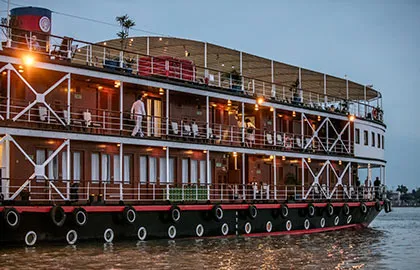
A Pandaw Cruises expedition offers exactly that. These handcrafted teak-and-brass ships navigate parts of the Mekong that larger vessels can’t reach, from the maze of the Delta to the dramatic, limestone-lined stretches of the Upper Mekong. Along the way, you’ll see daily life in remote villages and learn about the river’s long history as a trade route. By the end, you’ll have a clear picture of a journey defined by intimacy, heritage, and the steady, unhurried pace of the river.
Beyond the Mainstream: The Atmospheric Reality of River Life
The transition from the frenetic energy of the city to the stillness of the Mekong River is almost immediate. Morning mist often clings to the riverbanks, and golden light reflects off the water as the vessel moves upstream. Understanding what to expect on a Mekong River cruise begins with accepting a slower pace. The journey from the lush, verdant waterways of the Vietnam Delta into the spiritual, quiet landscapes of Cambodia isn't just a change in geography; it's a shift in spirit. This is a world where the journey between destinations is as significant as the stops themselves.
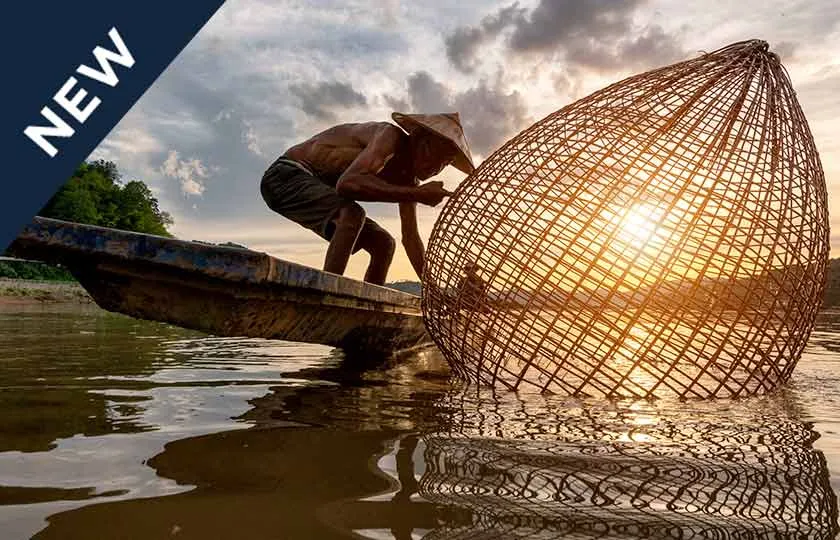
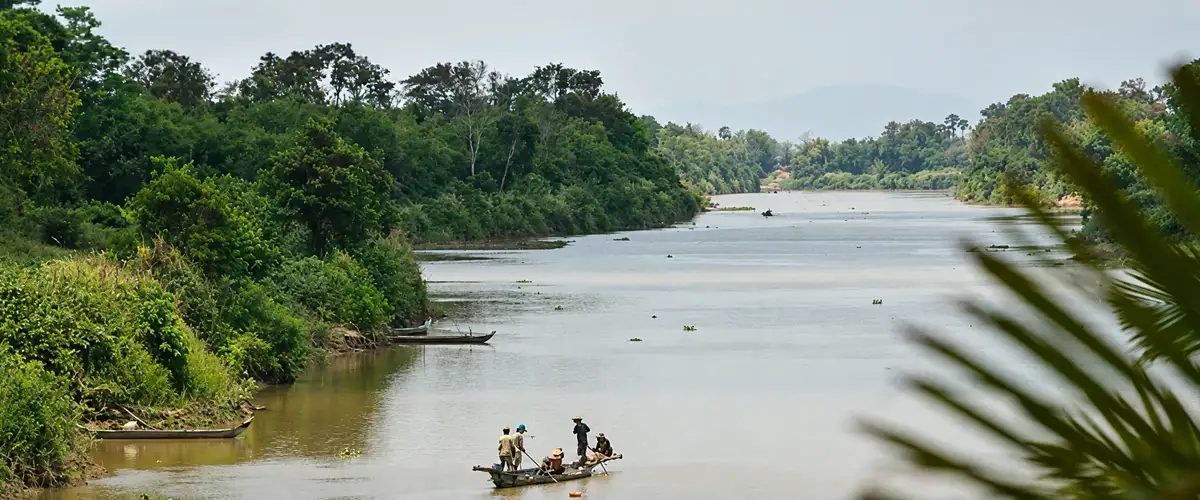
The navigational advantage of a shallow draft means we aren't tethered to mass-market ports. Large ships are often confined to deep-water channels, but handcrafted vessels can penetrate much further into the interior. This technical capability allows us to dock alongside secluded communities that haven't been altered by land-based tourism. It's here that the rhythm of the river becomes clear. Life unfolds on the banks; children play in the shallows, and fishermen cast nets from small wooden boats as they have for generations.
Cultural Immersion vs. Sightseeing
We prioritize a connection with the people who call the river home. Rather than observing from a distance, travelers engage with the stories of local traditions and river trade facilitated by our locally hired crews. These experts don't just guide; they share their heritage. Whether it's explaining a specific fishing technique or a village festival, their insight ensures the experience remains rooted in the place. On the 3-night Saigon to Phnom Penh expedition, these encounters happen naturally, moving beyond the tourist gaze into something quieter and more personal.
A Narrative of Two Nations: Cultural Encounters from the Delta to Angkor
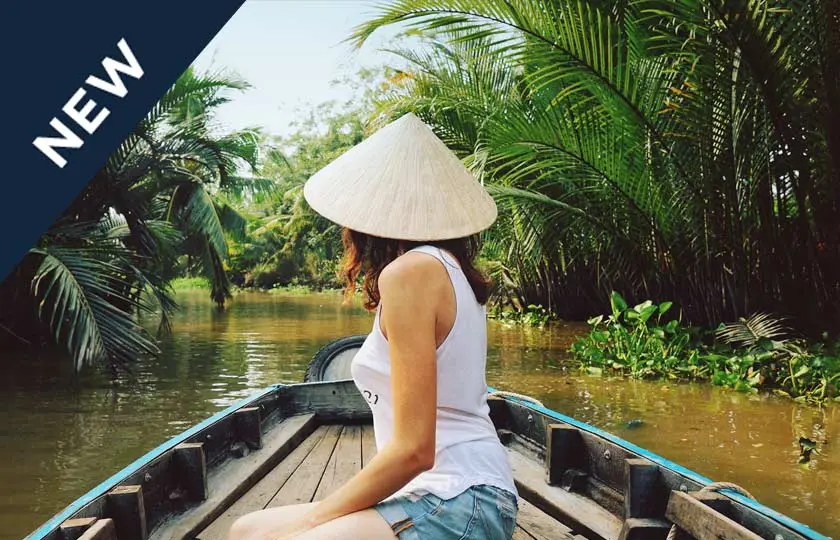
The journey through the Mekong Delta offers a patchwork of artisanal workshops and colonial-era architecture that tells the story of the region's mercantile past. Floating markets here remain a vital way of life. As you consider what to expect on a Mekong River cruise, prepare for the sensory shift that occurs when crossing into Cambodia. The lush, vibrant greens of the Delta give way to a more open landscape where rural life takes center stage.
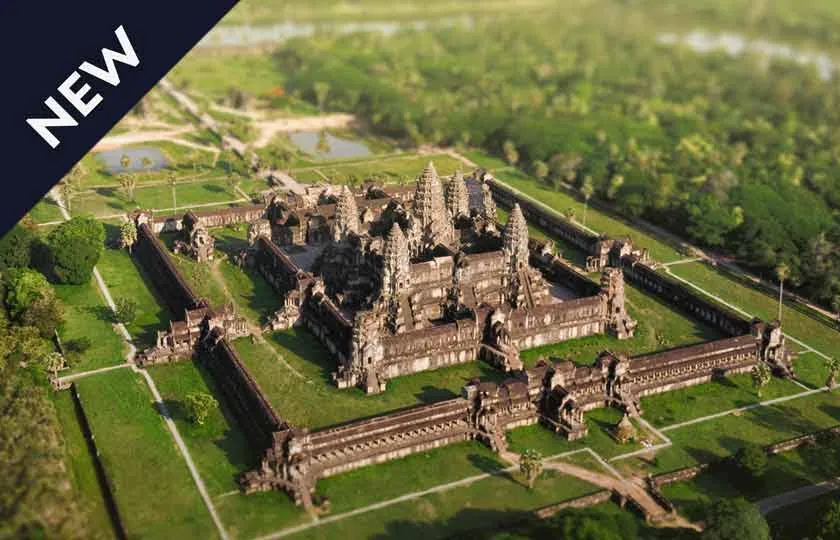
Phnom Penh provides a complex historical layer. Expert guides lead you through the 20th-century narratives that shaped modern Cambodia. The journey then moves toward Siem Reap, where the architectural majesty of Angkor awaits. This approach by water allows the scale of the ancient Khmer civilization to unfold slowly, grounding the experience in the geography of the river.
A profound sense of continuity links the ancient Khmer Empire to the modern-day communities along the Classic Mekong. River travel reveals these layers of history naturally. You'll move from colonial outposts to the ruins of ancient civilizations. This connection between the traveler and local heritage is the cornerstone of our river expeditions, where the stories of the past are reflected in the faces of the people we meet today.
Life Aboard a Handcrafted Vessel: Intimacy and Craftsmanship
The physical environment aboard a Pandaw Cruises vessel is a deliberate homage to the golden age of river exploration. Hand-polished teak decks and glowing brass fittings evoke a sense of nostalgia, grounding the journey in a rich maritime tradition. This tactile experience is a primary part of what to expect on a Mekong River cruise. It's a setting defined by understated elegance rather than loud entertainment. There are no staged performances; instead, the focus remains on the quiet drama of the river passing by.
Cuisine serves as another gateway to the cultures we visit. Onboard chefs prepare regional flavors using local ingredients sourced directly from riverbank markets. This allows travelers to taste the subtle distinctions between Vietnamese and Cambodian culinary traditions, from the fresh herbs of the Delta to the complex spices of the Khmer heartland. Dining is a communal experience. It encourages connections with like-minded travelers who share a curiosity for the world and its history.
The absence of staged luxury creates a space for a more authentic connection to the environment. Our vessels are designed for those who value substance and historical depth. This quiet confidence of a seasoned pioneer is what sets a Pandaw Cruises Saigon to Phnom Penh expedition apart. The intimacy of the ship ensures that every guest feels like an insider rather than a tourist, with access to remote reaches that larger vessels simply cannot navigate.
Embrace the Storied Rhythm of the Great River
The true essence of Southeast Asia reveals itself in the quietest corners of the waterway, far from the reach of larger vessels. By choosing a journey defined by depth rather than distance, you gain access to a world of morning mist and ancient trade routes. You now have a clearer vision of what to expect on a Mekong River cruise: a departure from the crowds and an entry into an atmospheric reality where the journey itself is the destination. Our handcrafted brass and teak vessels serve as your private lens into these secluded landscapes, maintaining a tradition of exploration that we've refined as pioneers of the region since 1995.
Expert local guides bring these riverbanks to life, bridging the gap between traveler and community through shared stories and deep heritage. This is not just a holiday; it's an intimate expedition through the heart of Vietnam and Cambodia. We invite you to Explore our Classic Mekong expeditions for 2026 and discover the enduring romance of the river for yourself. The landscape is waiting to tell you its story.
Frequently Asked Questions
What is the best time of year for a Mekong river cruise?
The ideal period for a Mekong expedition is generally between November and February when the weather is cooler and drier. These months offer the most comfortable conditions for exploring remote villages and temple complexes without the intense heat of the late spring. Travelers seeking lush, verdant landscapes may prefer the high water season from August to October, which allows for deeper navigation into the Tonle Sap lake system in Cambodia.
Do I need a visa for both Vietnam and Cambodia on a river cruise?
Most international travelers require a separate visa for both Vietnam and Cambodia. When considering what to expect on a Mekong River cruise regarding documentation, it's vital to note that while e-visas are widely available, some river border crossings have specific regulations. For instance, certain entry points into Cambodia via the waterway may require a visa on arrival rather than an e-visa. Always verify the latest requirements based on your specific itinerary and nationality before departure.
How active are the shore excursions on a Mekong expedition?
Shore excursions involve a moderate level of activity designed for the culturally engaged explorer. You'll often walk through rural villages, navigate uneven riverbanks, and climb stone stairs at ancient pagodas or Khmer ruins. While the pace is deliberate and never rushed, the terrain can be rustic. We recommend a baseline level of fitness to enjoy the spontaneous encounters and historical site visits that define the spirit of discovery on these waterways.
What is the dress code on board a colonial-style river vessel?
The onboard atmosphere is one of refined, understated elegance where the dress code remains casual and practical. Lightweight, breathable fabrics are essential for the tropical warmth of Southeast Asia. It's important to pack modest attire for shore excursions; shoulders and knees must be covered when visiting monasteries or spiritual sites to respect local traditions. There's no need for formal evening wear, as the focus remains on quiet relaxation and connection with the landscape.