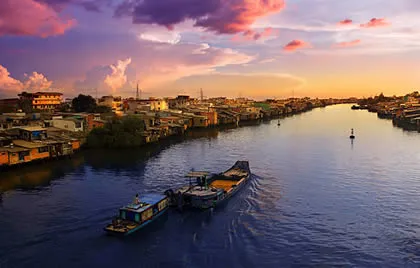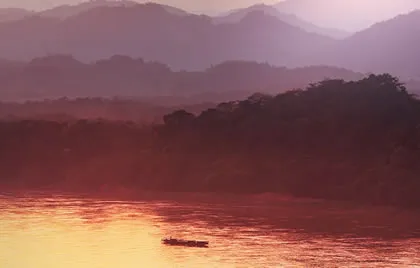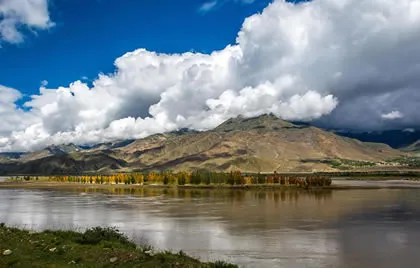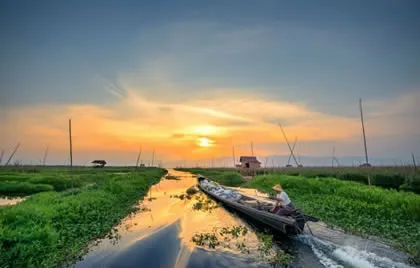
The top experiences in Asia aren't found at the busy ports where massive liners dock, but in the quiet, shallow reaches of the river where only a small ship can venture. If you've ever worried about being trapped on a crowded "floating hotel" or felt the sting of unexpected costs on a supposedly worry-free trip, you aren't alone. You deserve a journey that honors your curiosity without the distraction of hidden fees or big crowds. Choosing the right all-inclusive Asia river cruise means finding a vessel that serves as a bridge to local culture rather than a barrier against it.
In this guide, we'll reveal how to select an expedition that reaches the remote heartlands larger ships cannot access. You'll discover the technical secrets of shallow-draft navigation and learn about the latest travel requirements. We'll also explore why an intimate atmosphere and expert historical guidance are essential for a seamless, culturally rich journey through the soul of the East.
The Landscape of Asia River Cruises: Why All-Inclusive Matters
The rivers of Asia have always been the lifeblood of its civilizations; today, they offer a path to the soul of the continent. As the global market for this style of travel reaches an estimated USD 2.09 billion in 2026, the discerning traveler is moving away from the loud, mass-market spectacles of the past. True luxury is no longer defined by the size of the ship but by the depth of the experience. Choosing an all-inclusive Asia river cruise allows you to focus on the rhythm of the water rather than the logistics of your wallet. It lets you step into the role of an explorer without the distraction of a mounting bill. This transparency is the cornerstone of a worry-free journey through the remote Asian heartlands.
What Does All-Inclusive Actually Mean in 2026?
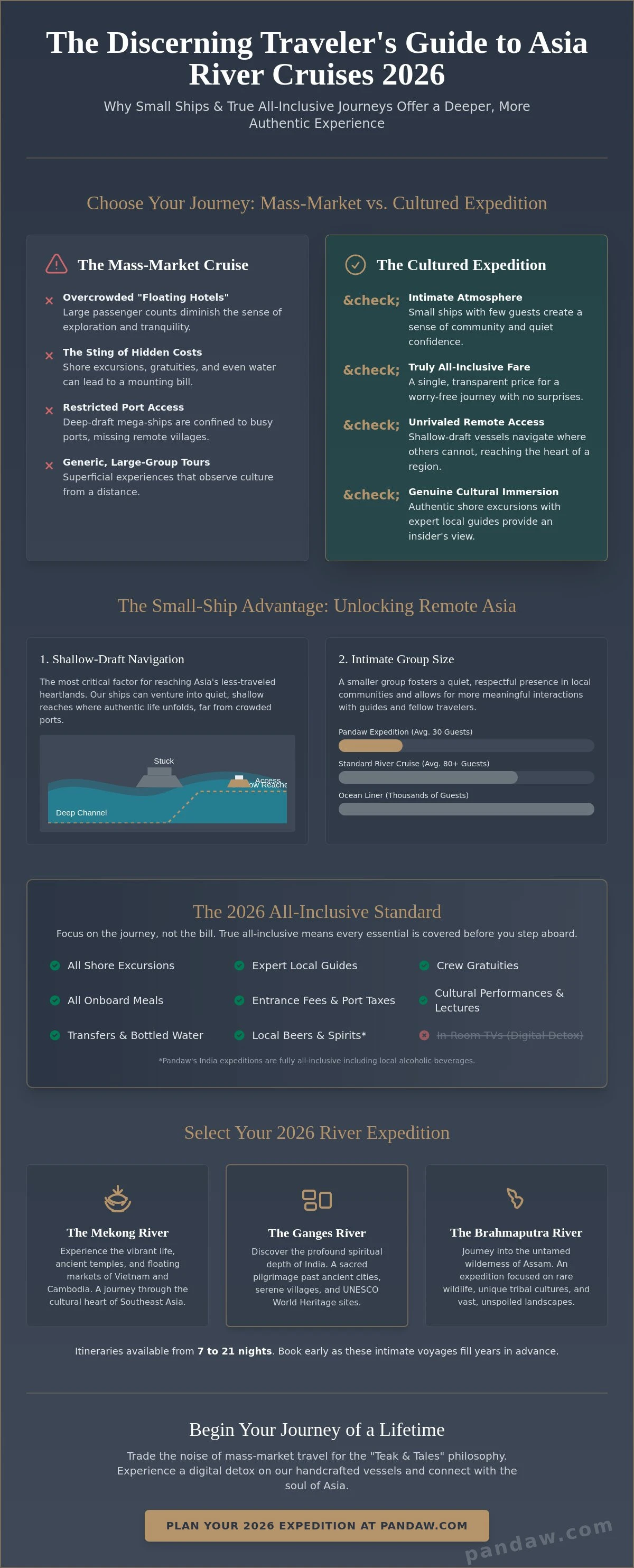
The modern definition of all-inclusive has evolved beyond simple room and board. For a river cruise to be seamless, it must encompass every touchpoint of the journey. This includes high-quality local meals, water, and even the often-overlooked costs like crew gratuities and entrance fees. As of September 2024, Pandaw's India expeditions on the Ganges and Brahmaputra are fully all-inclusive, including local beers and spirits, setting a high bar for the region. In 2026, travelers can expect to have included:
-
All shore excursions led by expert, locally-hired guides.
-
Entrance fees to UNESCO sites and remote village temples.
-
Onboard cultural performances and historical lectures.
The Pandaw Inclusive standard serves as the 2026 benchmark by ensuring every shore excursion, entrance fee, and crew gratuity is accounted for before you even step aboard.
The Rise of the Cultured Explorer
Modern travelers are trading the plastic surfaces of large liners for the warmth of hand-crafted teak and brass vessels. This isn't just about style; it's about heritage and nostalgia. These Cultured Explorers want a story to tell, not just a destination to check off a list. By utilizing expert, locally-hired guides instead of tour directors, these expeditions provide an insider perspective that connects you to the land. This focus on authenticity is why the small-ship model is thriving in 2026. It's about being a guest in a remote village, not just a spectator in a crowd. The colonial-style aesthetic of these ships acts as a time machine, grounding the journey in a rich historical context that modern mega-ships simply can't replicate.
Evaluating All-Inclusive Asia River Cruise Packages
When you evaluate all-inclusive Asia river cruises, the distinction between standard luxury and authentic access becomes vital. It isn't just about the quality of the spirits in your glass; it's about the size of the group you're traveling with and the depth of the stories you'll hear. An inclusive fare shouldn't just cover your meals. It should protect you from the nickel and diming that ruins the tranquility of a slow-water journey. By comparing the fine print of various lines, you'll find that the most rewarding expeditions are those that prioritize intimacy over scale. A 30-guest vessel offers a fundamentally different atmosphere than an 80-guest ship, allowing for a quiet confidence and a sense of belonging that larger liners can't replicate.
Comparing Onboard Experiences
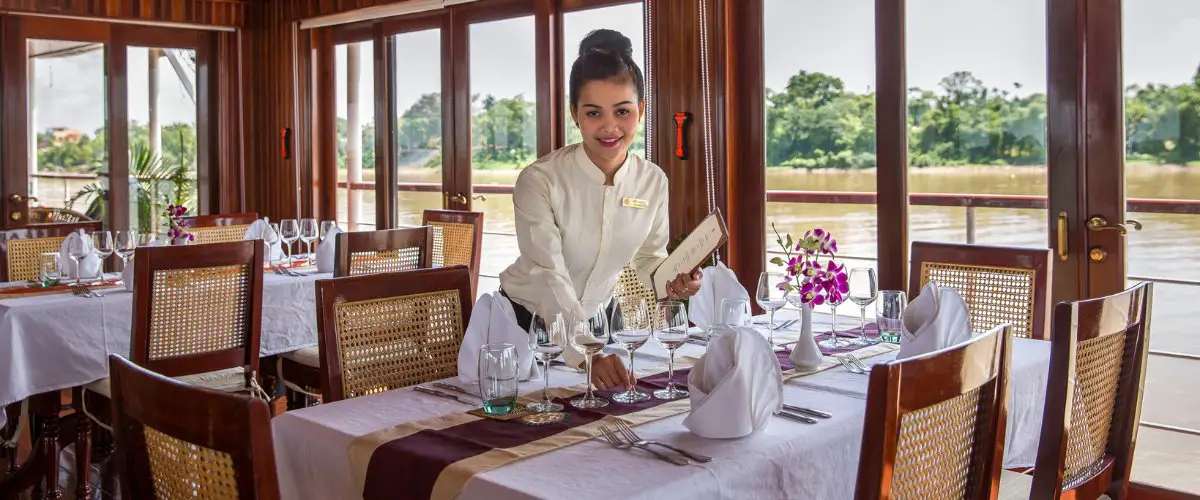
On our handcrafted vessels, you won't find the glow of television screens or the noise of standardized entertainment. Instead, we embrace a "no-TV" philosophy that encourages a digital detox, replacing screen time with the rich narratives of our onboard historians and fellow travelers. This creates a community of like-minded explorers who value substance over spectacle. Sustainability is also a core pillar of the 2026 travel landscape. By choosing all-inclusive packages that hire local crew and source ingredients from riverbank markets, you're directly supporting the GMS Tourism Strategy 2030.
Shore Excursions: Beyond the Tourist Trap
The real test of any all-inclusive package is the quality of its shore excursions. Many mass-market lines rely on large bus transfers to high-traffic sites, which often feel more like a chore than a discovery. The Pandaw advantage lies in the walking tour and the small-boat exploration. Because our ships feature exceptionally shallow drafts, we can dock in the heart of remote villages where you can meet local artisans or receive a blessing from monks in a quiet monastery. Whether you're exploring a hidden temple or a bustling river market, these expert-led immersions are included in your fare, ensuring you never have to choose between cost and culture. If you're ready to see how this intimacy changes the way you travel, you can view our 2026 fleet and itineraries to find your perfect match.
Itinerary Guide: Mekong, Ganges, or Brahmaputra?
Selecting the right path through Asia requires a balance of timing, interest, and a desire for depth. While many travelers instinctively look toward the most famous waterways, the landscape of all-inclusive Asia river cruises has expanded to include regions once considered too remote for luxury travel. Whether you're drawn to the spiritual rituals of India or the emerald peaks of Laos, the ship you choose determines how much of that world you'll actually see. With the Asia Pacific region expected to account for 15% of the global river cruise market by 2026, the variety of experiences has never been wider. It's no longer just about the destination; it's about the specific rhythm of the river you choose to follow.
The Classic Mekong
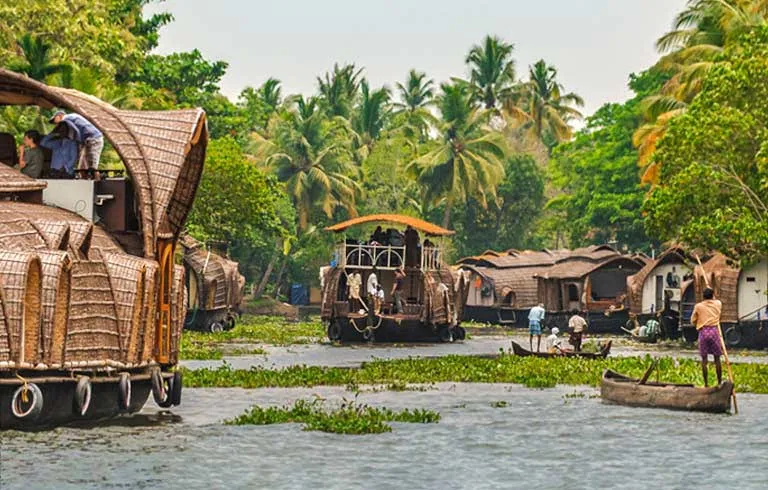
The route from Saigon to Phnom Penh remains the essential introduction to Southeast Asia. It's a journey of contrasts, moving from the bustling delta markets to the haunting history of Cambodia's capital. For European travelers from the UK, France, or Germany, the 45-day visa-free entry available in 2026 makes these Vietnam-based routes more accessible than ever.
India’s Sacred Rivers: Ganges and Brahmaputra
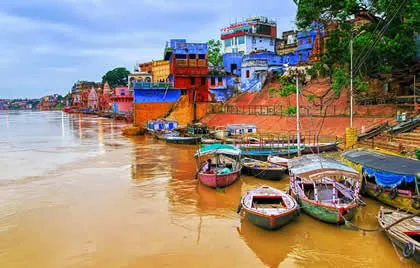
India offers two distinct spirits on the water. The All Ganges is a pilgrimage through the heart of Hindu culture, where you'll witness ancient ceremonies in Varanasi and explore colonial heritage in the Upper Ganges. In contrast, The Brahmaputra River is a wilder, more untamed expedition focused on the natural world. A key advantage of our Brahmaputra voyages is the proximity to Kaziranga National Park, where the small-ship format allows for intimate wildlife spotting.
Vietnam’s Northern Gems: The Red River
The Red River & Halong Bay itinerary provides a more authentic and less-traveled perspective of Vietnam than the southern delta. By combining the dramatic seascapes of the bay with the traditional village life of the Red River delta, travelers gain a view of the country's northern soul. This route is particularly rewarding for those who value craftsmanship and ancient traditions away from the primary tourist trails.
Choosing your season is as critical as choosing your river. The 2026 weather patterns suggest that the best time for the Mekong remains the cooler, dry months from November to February. India’s rivers are most vibrant after the monsoon, when the water is high and the air is crisp. While climate change continues to impact water levels across the region, our shallow-draft vessels are uniquely equipped to handle these seasonal shifts, ensuring your expedition remains on course when others might be forced to turn back.
Planning Your 2026 Pandaw Expedition
Once you've selected your river, the focus shifts to your onboard sanctuary. Our cabins are hand-crafted from teak and brass, reflecting a time when travel was an art form. We highly recommend choosing a cabin on the promenade decks. For solo travelers, 2026 brings expanded "No Single Supplement" offers on select departures, ensuring that the spirit of exploration remains accessible to everyone.
Maximizing Your Journey with Extensions
A river expedition is often the centerpiece of a larger story. To uncover the nuances of the region, consider adding hotel packages in gateway cities like Saigon, Hanoi, or Kolkata. These extensions allow you to acclimate to the local pace before the ship sets sail. We've refined our logistics to provide a "door-to-deck" service, where our attentive staff handles the transition from your hotel to the vessel with quiet efficiency. This seamless approach is essential for navigating new 2026 regulations, such as the mandatory online QR code declaration required for entry through Tan Son Nhat International Airport as of April 15, 2026. You can explore these options in our guide to Pre-Cruise Hotel Packages: Extending Your Asian Stay.
Securing Your 2026 Cabin
The most important factor in your planning is the timeline. Because our ships carry a maximum of only 30 to 60 guests, the most popular 2026 departure dates frequently sell out 12 to 18 months in advance. This scarcity is the price of intimacy. By booking early, you also ensure you have ample time to manage visa requirements. Remember that while citizens of the UK, France, and Germany enjoy 45-day visa-free entry to Vietnam in 2026, travelers from the US, Canada, and Australia must apply for an e-visa.
Frequently Asked Questions
What is typically included in an all-inclusive Asia river cruise for 2026?
A true all-inclusive fare covers your onboard accommodation, all main meals, and bottled water. For all-inclusive Asia river cruises, the standard also encompasses shore excursions, entrance fees to historical sites, and local transfers. As of September 2024, our India expeditions on the Ganges and Brahmaputra rivers include local beers, spirits, and soft drinks within the base price to ensure a worry-free journey.
Are tips and gratuities included in the price of a Pandaw cruise?
Yes, crew gratuities are fully included in your cruise fare. We believe that the relationship between our guests and our attentive staff should be based on genuine hospitality rather than transactional expectations. By including these costs upfront, we maintain the tranquil, "insider" atmosphere that defines our voyages. You won't need to worry about additional tipping at the end of your expedition.
How many passengers are on a typical Pandaw river cruise?
Our hand-crafted vessels are designed for intimacy, typically carrying between 30 and 60 guests. This small-ship format is essential for creating a quiet, sophisticated community of travelers. It also allows us to maintain a nearly 1:1 guest-to-staff ratio. Unlike larger luxury liners that carry 150 passengers or more, our ships can dock in the heart of remote villages without overwhelming the local community.
Is a Mekong river cruise better than a Ganges river cruise?
Neither is superior; they simply offer different rewards for the cultured explorer. The Mekong provides a vibrant look at the history and floating markets of Vietnam and Cambodia. In contrast, the Ganges is a spiritual journey through India's ancient heritage and colonial architecture. Your choice should depend on whether you seek the lush delta landscapes of Southeast Asia or the profound cultural rituals of the Indian heartland.
What is the best time of year for an Asia river cruise in 2026?
The ideal window for most Asian river cruises is between October and March. During these months, the weather is generally dry, and the temperatures are more comfortable for shore excursions. India's rivers are best visited post-monsoon when water levels are high. Our shallow-draft ships are uniquely capable of navigating these waterways even when seasonal water levels fluctuate, providing more flexibility than larger vessels.
Do I need a visa for a multi-country river cruise in SE Asia?
Visa requirements depend on your nationality and the countries you visit. In 2026, citizens of the UK, France, Germany, Italy, and Spain will enjoy 45-day visa-free entry to Vietnam. However, travelers from the US, Canada, Australia, and New Zealand must apply for an e-visa. If you're entering through Saigon, remember that as of April 15, 2026, a mandatory online declaration and QR code are required before arrival.
Are Pandaw ships suitable for travelers with limited mobility?
Our traditional teak vessels are unfortunately not well-suited for guests with significant mobility challenges. Because we prioritize historical authenticity, our ships do not have elevators and feature steep stairs between decks. Additionally, many of our remote riverbank landings require walking across uneven terrain or gangplanks. We encourage travelers to contact us directly to discuss specific requirements before booking an expedition.