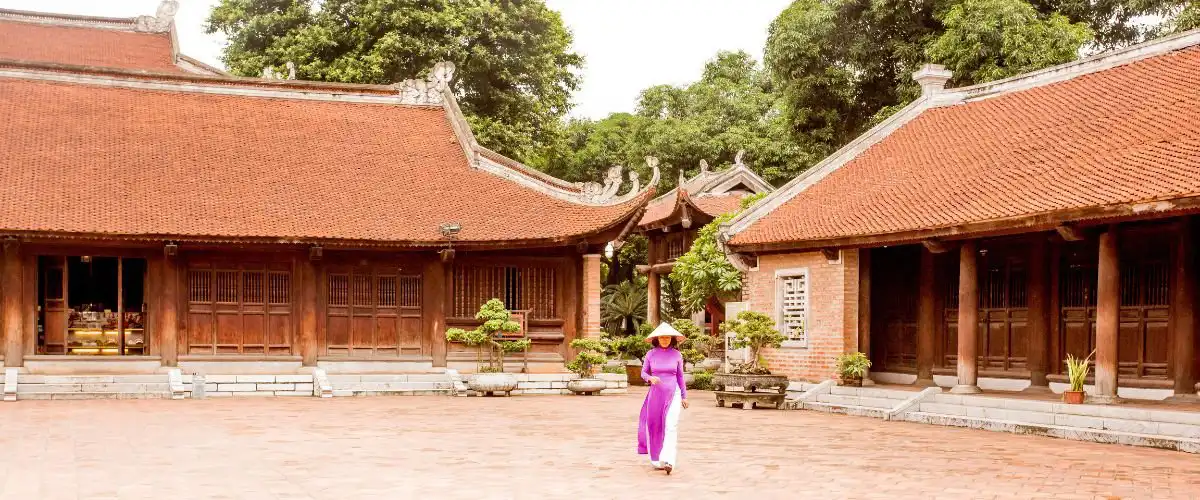
Ao Dai: The Living Silhouette of Vietnam’s Cultural Heritage
To see the Ao Dai in the golden light of a Mekong morning is to witness a century of history in a single, fluid motion. You've likely admired its elegant lines in photographs or on the streets of Hanoi, yet its complexity often eludes the casual observer. By exploring the evolution of the Ao Dai, you'll discover how this garment transitioned from royal courts to the bustling riverbanks of the Red River and the Mekong Delta. We'll guide you through the regional artistry of Hue, recently recognized as a center of national intangible cultural heritage, and the modern energy of Ho Chi Minh City's fashion ecosystem. You'll learn the etiquette of observing these silk masterpieces and the meticulous craftsmanship required to create a garment that remains as relevant in 2026 as it was in the era of colonial trade.
The Evolution of the Ao Dai Silhouette
The ao dai is more than a garment; it's a living archive of Vietnam. It consists of a long, split tunic worn over flowing silk trousers, creating a silhouette that is both modest and expressive. While the dress is now a global icon of national pride, its origins are deeply rooted in the 18th-century Nguyen Dynasty. It evolved from the áo ngũ thân, a five-part dress that used extra panels of fabric to signify status and Confucian virtues. A historical evolution of the Ao Dai shows how these early iterations prioritized structure over the form-fitting grace we recognize today.
The most dramatic shift occurred in the 1930s through the artist Nguyen Cat Tuong, known as Le Mur. He integrated French sartorial influences, such as puffed sleeves and tapered waists, into the traditional design. This era transformed the dress into a symbol of modern femininity while preserving its essential modesty. The foundation of any exceptional garment remains the craftsmanship of traditional silk weaving. In the craft villages along the Red River, artisans still produce the heavy, lustrous fabrics that allow the tunic to catch the golden light with effortless elegance. It's a delicate balance of weight and air.
From Aristocratic Roots to National Symbol
The transition of the dress from the imperial court in Hue to the wider population reflects Vietnam's social evolution. Once the exclusive attire of royalty and scholars, the garment eventually became a daily staple for women across all classes. During the colonial era, wearing the dress was an act of cultural persistence. It allowed the Vietnamese people to navigate a changing world without surrendering their identity. Today, the knowledge of tailoring and wearing the Hue Ao Dai is recognized as a national intangible cultural heritage, ensuring that the specialized techniques of the old capital continue to inspire new generations of designers.
Regional Expressions: From the Mekong to the Red River Delta
As the landscape shifts from the tropical warmth of the south to the temperate mist of the north, the Ao Dai adapts. Along the Classic Mekong, you'll encounter tunics made of vibrant, breathable silks that catch the river breeze. These southern variations often favor lighter weights and brighter hues, mirroring the sun-drenched delta. In contrast, garments found near the Red River are typically more structured, utilizing heavier weaves to protect against the northern damp. This geographic variation is a key chapter in the evolution of the Ao Dai's design, where the environment dictates the textile's weight and weave.
In the Mekong Delta, the garment has a practical cousin known as the "ao ba ba." These silk pajama sets are the preferred attire for artisans and farmers, offering freedom of movement while maintaining a refined aesthetic. Journeying further north to Hue, the "purple ao dai" becomes the defining image. This specific shade, associated with the imperial city's poetic legacy, evokes a sense of nostalgia for the Nguyen Dynasty. Life on the riverbanks is a rhythmic display of these colors. Choices often reflect the arrival of a local festival or the subtle turning of the seasons. To see these traditions firsthand, one might consider joining a river expedition that reaches the heart of these communities.
Artistry in the Northern Highlands
Northern artisans in villages bordering the Red River favor intricate embroidery that tells stories of local folklore. They often use natural dyes sourced from the surrounding forests to create deep, earthy tones. Lotus motifs are particularly prevalent here. These flowers symbolize spiritual purity and are a recurring theme in both high fashion and daily wear. The level of detail in this hand-stitched work reveals a deep respect for heritage that has survived centuries of change.
Encountering Tradition on the Waterways
In the soft glow of a Mekong afternoon, the riverbanks come alive with a sight that has defined Vietnamese identity for generations. Groups of students cycle home, their white Ao Dai fluttering like dragonfly wings against the backdrop of emerald palms. This specific white tunic, known as the ao dai nu sinh, symbolizes the purity and potential of youth. It's a scene that captures the quiet grace of river life, where tradition isn't a performance but a daily rhythm. To see these garments in their natural environment is to understand the enduring link between the people and the waterways that define their history.
To shield themselves from the equatorial sun, many pair the dress with the "non la," the iconic conical hat fashioned from palm leaves. This combination is a masterclass in functional elegance. The hat's wide brim provides a private sanctuary of shade, while the split tunic allows for effortless movement on a bicycle or a sampan. For the traveler, observing these moments requires a blend of curiosity and restraint. It's vital to remember that while the garment is beautiful, it's also a personal expression of heritage. Supporting local textile villages by purchasing hand-woven silks directly from the makers ensures these ancient skills remain viable for the next century.
Understanding the history of the ao dai enriches the experience of seeing it in situ. Pandaw Cruises are designed to facilitate these intimate encounters, bringing guests into the homes of families who have practiced tailoring for decades. Our small-ship journeys allow for a slower pace, where the atmosphere of teak and brass provides a nostalgic backdrop for cultural discovery. You can speak with artisans about the symbolism of their embroidery or the source of their natural dyes, creating a connection that focuses on the stories held within the silk rather than spectacle.
The Ao Dai in Modern River Life
The garment remains a constant in the professional world, worn with pride by teachers, flight attendants, and hospitality staff. It bridges the gap between old-world charm and modern utility. During Tet, the Lunar New Year, the riverbanks erupt in a kaleidoscope of color as families don their finest tunics for spiritual festivals. In January 2026 alone, social commerce platforms recorded approximately 2 million orders for the dress, proving that its appeal is only growing in the digital age. Whether at a village wedding or a formal ceremony, the silhouette remains the primary symbol of the nation's spirit.
Continuing the Journey Along the Riverbanks
The Ao Dai remains a testament to Vietnam’s ability to honor its heritage while embracing the flow of time. From the structured silks of the north to the vibrant, airy tunics of the Mekong Delta, this garment serves as a living map of the country’s geography and spirit. It isn't just a relic of the Nguyen Dynasty; it's a functional piece of modern life that continues to thrive in the golden light of the riverbanks. Understanding the craftsmanship behind each stitch allows for a deeper appreciation of the communities that have preserved these traditions for centuries.
For those seeking to witness these cultural traditions in their most authentic settings, the waterways offer an intimate vantage point. Pandaw Cruises has spent over 30 years pioneering heritage travel in Southeast Asia, using small-ship access to reach remote river artisan villages that remain tucked away from the modern world. Our expert local guides provide deep cultural insights that go beyond the surface, connecting you with the people and stories that define the region. We invite you to discover the cultural heart of Vietnam on a Pandaw Cruises river expedition and see the living silhouette of this extraordinary nation for yourself.
Frequently Asked Questions
What is the literal translation of Ao Dai?
The literal translation is "long shirt." This name describes the tunic's length, which traditionally extends past the knees. While the term is simple, it encompasses a complex history of tailoring that dates back to the 18th century. The name reflects the garment's basic structure before the modern, form-fitting silhouette was established, serving as a humble descriptor for a piece of clothing that's now a powerful national symbol.
Can men wear the ao dai in modern Vietnam?
Men certainly wear the garment in modern Vietnam, particularly during weddings, traditional festivals, and formal diplomatic ceremonies. While it's more frequently seen on women in daily life, there's a strong cultural movement to revive the male version. These garments for men typically feature a looser fit and a more structured collar, emphasizing dignity and historical scholarly heritage during important family or state events.
What is the significance of the different colors used in the dress?
Color choices are traditionally dictated by the wearer’s age and the specific occasion. White is the standard for schoolgirls, while vibrant reds are reserved for brides to symbolize luck and prosperity. Historically, gold was the exclusive color of the imperial family. Today, many women favor deeper shades like maroon or purple to reflect wisdom and the poetic heritage of cities like Hue.
How does the ao dai differ from the Chinese cheongsam?
The primary distinction between the two garments is that the Vietnamese version is always worn over long, flowing trousers. While the Chinese cheongsam is a one-piece dress with high side slits, the Vietnamese tunic features slits that begin at the waist, requiring silk pants underneath. This layering provides a unique silhouette that balances modesty with the fluid movement characteristic of the breezy life found along the Mekong riverbanks.