The Ganges can feel like a completely different river depending on the season. For travelers, timing is one of the biggest factors in planning a cruise, yet concerns about humidity, monsoon rains, and water levels often create uncertainty. Choosing the best time of year for a Ganges cruise requires more than checking a forecast; it means understanding how the river changes throughout the year.
If you want to experience Aarti ceremonies in Varanasi or visit remote villages without worrying about low water levels, this guide will help you identify the ideal travel window. You’ll learn what each season offers, from the cool winter mornings to the lush scenery that follows the monsoon. We’ll break down the advantages and challenges of each period so you can confidently choose the time that matches your interests, whether you’re drawn to wildlife, culture, or the spiritual atmosphere along India’s most iconic river.
The Seasonal Cycle of the Holy River: Understanding the Ganges Climate
The character of the Ganges River is defined by the South Asian monsoon, a seasonal phenomenon that fundamentally reshapes the landscape and the flow of the water. This powerful cycle dictates the rhythm of life along the banks, from the smallest fishing hamlets to the ancient cities of the north. For those determining the best time of year for Ganges cruise expeditions, the primary season runs from September through April. This window is carefully chosen to avoid the most intense summer heat and the heaviest downpours; it offers a balance between comfortable temperatures and stable river navigation. The monsoon’s arrival dramatically alters the Hooghly River and the Upper Ganges reaches, turning dusty plains into emerald basins and raising water levels to their annual peaks.
The Monsoon Influence: July to September
July marks the arrival of the rains, bringing an atmospheric shift. The landscapes along the riverbanks become incredibly lush, with fields of deep green stretching toward the horizon. High water levels during this period allow vessels to navigate with ease, though the humidity remains a significant factor for travelers. The rain brings a sense of renewal to the spiritual heart of the country, though the physical heat of the pre-monsoon months lingers in the air. For those exploring the Hooghly River, the high water provides a sense of the river's true power and scale.
The Cooling Trend: October and November
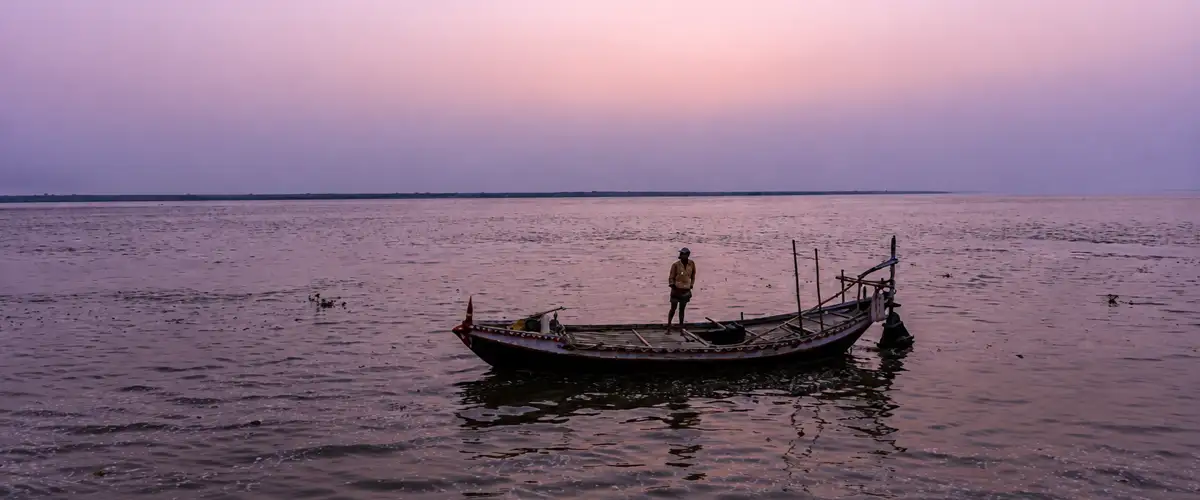
As the monsoon recedes, October and November usher in a transition toward clearer skies and more moderate temperatures. This period is often favored by those with a keen eye for photography. The golden light of the post-monsoon sun reflects off the receding waters, creating a quiet, luminous atmosphere that highlights the intricate details of riverside temples and historic colonial outposts. It's a time when the air begins to crisp. Shore excursions to remote villages become more comfortable, allowing for deeper exploration of the local traditions and river trade history that define these ancient trade routes. The clarity of the air provides a sharp contrast to the misty mornings that will follow in the later winter months.
A Detailed Seasonal Comparison
Deciding on the best time of year for a Ganges cruise depends on the specific atmosphere you wish to inhabit. The river provides three distinct experiences: the fresh vibrancy of the post-monsoon, the quietude of the winter cool, and the active warmth of spring. Each window offers a different lens through which to view the river's heritage. In winter, Varanasi takes on a hauntingly beautiful quality. Pilgrims emerge from the morning mist to perform rituals on the ghats, creating a scene that feels unchanged for centuries. This spiritual atmosphere is a hallmark of the cooler months.
Navigating these waters requires a respectful understanding of the Ganges basin climate. While winter offers the most temperate days, the heavy morning mist can occasionally delay sailing schedules. Our captains navigate these conditions with the steady confidence of seasoned pioneers. This is a small trade-off for the chance to see the riverbanks in such a mystical state. For those who want to witness this entire spectrum, The All Ganges River Cruise offers a 14-night journey that spans the length of the river's storied path, connecting the delta with the sacred heart of India.
Winter Serenity: December to February
The air turns crisp and cool. Morning mist clings to the water, adding a sense of mystery to the riverbanks as the sun begins to rise. This is an exceptional time for wildlife viewing. As the foliage thins along the banks and within the Sundarbans, spotting crocodiles, deer, and rare bird species becomes much easier. The quiet intimacy of the river is at its peak during these months, offering a sense of seclusion that is rare in modern travel.
Spring Expeditions: March and April
Temperatures begin to rise, but the humidity remains low. This period is ideal for travelers who enjoy the warmth of the Indian sun. The river life is at its most active. You'll see more movement in the riverside markets and fishing villages before the intense heat of May arrives. It's also the prime window for birdwatching, with migratory species still present and local varieties preparing for the coming season. Perhaps you're drawn to the mist or the sun. Exploring our range of river expeditions can help you find the specific itinerary that aligns with your seasonal preference.
The Pandaw Cruises Expedition Advantage
Our hand-finished teak and brass vessels are more than mere transport; they are a bridge to a bygone era of exploration. Pandaw Cruises provides an atmosphere of quiet nostalgia and intimacy that larger, more modern vessels cannot replicate. Because the Ganges is a river of shifting moods and unpredictable sandbars, the technical design of our fleet is paramount. Our ships feature specialized shallow-draft hulls, allowing us to navigate reaches of the river that remain inaccessible to others. This technical capability ensures that your journey remains steady and uninterrupted, even as the river's depths fluctuate with the seasons.
While weather patterns provide the framework, the best time of year for Ganges cruise travel is ultimately defined by the vessel's ability to adapt to the environment. The expert guides at Pandaw Cruises play a vital role in this experience, revealing the depth of regional traditions and spiritual practices regardless of the month you choose to sail. For a thorough understanding of the river's cultural landscape, we recommend consulting our guide on the Ganges River Cruise: An Expedition Through India’s Spiritual Heart.
Embarking on Your Ganges Expedition
The Ganges is a river of profound complexity. It offers a different story with every passing month. Whether you're drawn to the vibrant, green landscapes of the post-monsoon or the quiet, mystical mornings of the winter cool, understanding the best time of year for Ganges cruise travel ensures your journey matches your own spirit of discovery. Our handcrafted teak vessels, built with the colonial charm of a bygone era, provide more than just comfort. They offer the technical capability of a shallow draft; this allows for intimate access to remote villages and sacred temples that remain hidden from larger ships.
Frequently Asked Questions
What should I pack for a Ganges river cruise in January?
Layering is the most effective strategy for the varied temperatures of an Indian winter. January mornings on the water can be quite crisp, often requiring a light jacket or a warm fleece while you enjoy coffee on the deck. As the sun rises, temperatures climb into the mid-twenties, making breathable cottons and linens ideal for shore excursions. We recommend sturdy walking shoes for navigating village paths and a scarf or shawl for visiting sacred sites where modest dress is respected.
Can you cruise the Ganges during the monsoon season?
Expeditions generally pause during the height of the monsoon in July and August due to the intense heat and the river's unpredictable velocity. While the high water levels are impressive, the humidity can make shore exploration uncomfortable for many travelers. Most seasoned explorers prefer to wait until September.
How do water levels affect the Ganges cruise itinerary?
Water levels are the primary factor in determining which remote sandbars and villages our vessels can safely reach. During the drier months of late spring, the river's channels shift, requiring the specialized knowledge of our local pilots. Pandaw Cruises designs its fleet with shallow drafts to navigate these fluctuations. This technical advantage allows us to maintain our commitment to reaching secluded heritage sites that larger, deeper-draft ships must bypass, ensuring your itinerary remains rich with discovery regardless of the river's height.