Many travelers quickly realize that you can’t understand Southeast Asia from the window of a tour bus. It’s easy to feel like part of a crowd, moving between attractions that feel staged and disconnected from the region’s living culture. If you’re looking for more than a surface‑level visit, the right small‑group tour in Southeast Asia should take you beyond the main roads and into the places where everyday life still follows traditions.
This guide explains how small‑ship river expeditions offer that deeper connection. These vessels can reach remote villages and heritage sites that land travel can’t access. You’ll see how traveling on a handcrafted teak-and-brass ship provides quiet access to secluded locations while keeping the experience calm and comfortable. We’ll also outline the advantages of shallow‑draft navigation and how local crews bring insider knowledge that turns a trip into a genuine journey of discovery.
Navigating Southeast Asia: Why Small Group Expeditions Surpass Road-Based Tours
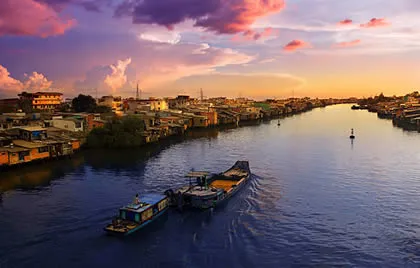
Choosing between land and water often determines the depth of your discovery. While many small group tours in Southeast Asia rely on coaches and paved highways, these routes are frequently confined to well-trodden paths and modern city centers. A river expedition is different. It's a purposeful journey where the vessel itself acts as a bridge to a slower, older way of life. Instead of the jarring noise of city traffic, your day begins with the sight of morning mist lifting off the water and the quiet sound of a river waking up under a golden light.
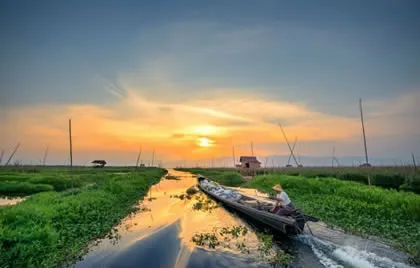
The technical design of our fleet plays a vital role in this access. Handcrafted with teak and brass, these vessels feature shallow drafts that allow them to navigate where larger ships and tour buses simply cannot go. This capability ensures that the journey isn't just about moving from point A to point B. It's about finding the hidden corners of the Mekong River and other historic waterways that remain untouched by mass tourism. This slower rhythm mirrors the local pace of life, allowing you to observe the nuances of river trade and daily rituals from the comfort of the deck.
The Intimacy of Small-Ship Travel
Travel is often best experienced in small numbers. By limiting guests to typically under 60, we foster a quiet, collegiate atmosphere where travelers can share stories without the clamor of a large crowd. This smaller footprint is also respectful. It allows us to visit riverside communities without overwhelming them, ensuring that every encounter feels like a guest visiting a neighbor rather than an intrusion. It's about proximity and the quiet luxury of space that larger groups can't provide.
Many heritage sites in Southeast Asia are best reached from the water. Our vessels can dock at small village piers along the Red River or the Classic Mekong route, places where the infrastructure for large-scale tourism doesn't exist. This avoids the staged, overly polished experiences found at major bus hubs. You'll see local traditions and river trade history as they happen, away from the crowds and centered on the enduring spirit of the river.
Top Southeast Asian River Routes
The rivers of Indochina offer distinct narratives for the curious traveler. While some routes focus on the pulse of river trade and colonial heritage, others invite a quiet contemplation of nature. Selecting the right path for your small group tour depends on whether you seek the spiritual silence of ancient temples or the vibrant energy of floating markets. Each route is managed with a focus on sustainability, often guided by insights from the Mekong River Commission to preserve these vital arteries for the communities that call them home.
The Classic Mekong: Vietnam and Cambodia
This journey represents the quintessential Indochina experience. The Classic Mekong follows the historic trade routes that once connected colonial outposts. Starting in the bustling Mekong Delta, the landscape shifts from emerald rice paddies and floating markets to the French colonial architecture of Phnom Penh. The expedition culminates in the spiritual silence of the Tonle River, providing a gateway to the stone faces of Angkor Wat. It's a route defined by the contrast between thriving river commerce and serene heritage sites.
The Untouched Upper Mekong and Laos
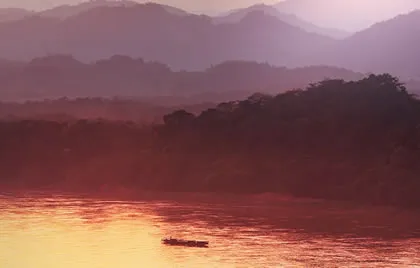
For those who prefer a more secluded path, the Laos Mekong offers a jungle-fringed expedition into the heart of the "Land of a Million Elephants." This route is markedly slower. Days are spent observing the traditions of Laotian hill tribes and the golden light that bathes Luang Prabang at dawn. It's an intimate look at a region where the river remains the primary lifeblood, far removed from modern development. You can view our current 2026 departure dates to begin planning your next discovery.
The Red River and Northern Vietnam
Exploring Halong Bay and the Red River takes you to the cultural cradle of Vietnam. This route emphasizes the deep complexity of Northern Vietnamese traditions, from water puppetry to village craftsmanship. It's an ideal choice for travelers who value the intersection of dramatic limestone landscapes and centuries-old spiritual traditions. Waking to the morning mist in Halong Bay before turning inland toward the historic villages of the Red River offers a perspective on Vietnam that few ever see.
The Pandaw Difference
The fleet is a collection of handcrafted brass and teak vessels designed to evoke the romance of an earlier era. These ships aren't merely a way to travel; they're heritage pieces that allow for a deep connection with the waterways. Unlike mass-market tourism, there is no staged entertainment on board. Instead, the focus remains on the natural theater of the riverbank as it unfolds at a steady, rhythmic pace. This creates a quiet, collegiate atmosphere where the journey itself is the primary story.
Authentic Cultural Connection
A deep understanding of a destination comes from the people who know it best. Our crews are hired locally, offering travelers an insider perspective on regional stories, river trade history, and spiritual traditions. Expert guides add further depth, providing historical context to every temple visit or village encounter. This focus on heritage and storytelling is central to the Classic Vietnam Cambodia Tour, where the bond between the traveler and the local community is prioritized over spectacle. By focusing on cultural immersion and the spirit of exploration, we ensure that every journey reveals the true complexity of the destination.
Begin Your Own Story of Discovery
Accessing the heart of a destination requires a vessel that can navigate its secret waterways. We've seen how the right choice in small group tours Southeast Asia can bypass the crowded tourist trail. By choosing a path along the river, you move beyond modern roads to find the heritage and stories that define this region. This perspective allows you to see the landscape as it was intended to be seen, from the water that has sustained these communities for centuries.
Explore our 2026 Southeast Asia Expeditions and rediscover the romance of the river.
Frequently Asked Questions
What is the typical group size for a Southeast Asia river expedition?
Our vessels typically accommodate fewer than 60 guests, ensuring that every journey maintains a quiet and intimate atmosphere. This smaller scale is a hallmark of small group tours Southeast Asia, allowing travelers to connect with one another while visiting riverside communities without overwhelming them. It's a respectful way to explore that prioritizes cultural depth and personal connection over the noise of mass-market tourism.
How do shallow-draft vessels differ from standard river cruise ships?
Shallow-draft vessels feature specialized hulls designed to navigate rivers where water levels fluctuate seasonally. Unlike standard ships that require deep channels and modern ports, these teak and brass vessels can dock at small village piers. This technical capability ensures that expeditions reach remote heritage sites that larger ships can't access. It's a signature of technical superiority that allows for discovery in all seasons.
What is the best time of year to explore the Mekong or Red River?
The cooler, dry months from November to February are often considered the best time to explore the Mekong or Red River. During this period, the weather is pleasant for shore excursions and the golden light is particularly beautiful. However, the high-water season from August to November offers its own rewards, including access to deeper channels and a chance to see the river systems at their most powerful and lush.