Vietnam River Cruise: A Guide to the Country’s Historic Waterways
If you really want to understand Vietnam, you won’t find it only in its busy cities; you’ll find it along the rivers that have shaped daily life for centuries. A Vietnam river cruise opens a window into communities and landscapes that remain otherwise out of sight. By traveling on a smaller, shallow‑draft vessel, you get closer to the country’s natural rhythm and the people who live along its banks. This guide will walk you through the differences between the northern and southern routes to help you choose the route that's right for you.
The Living Heritage of Vietnam’s Great Rivers
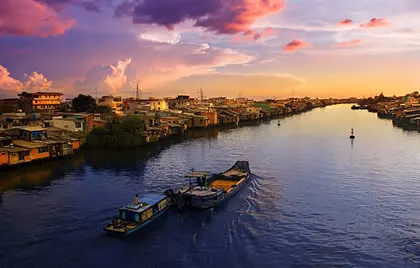
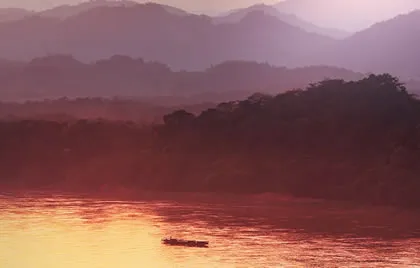
The rivers of Vietnam serve as more than mere geographical features; they are the enduring lifeblood of Indochina. From the ancient trade routes that once connected remote mountain tribes to the bustling modern commerce of the delta, these waterways remain the primary stage for daily life. To understand this country, one must look toward Vietnam’s great rivers. The atmosphere here is unmistakable. Morning mist often clings to the banks, masking the silhouettes of traditional sampans until the first rays of golden light break through to reveal a landscape in motion.
Choosing a Vietnam river cruise allows for an intimacy that land-based travel cannot replicate. While roads often skirt the edges of communities, the river cuts through their heart. You'll witness spiritual practices performed on the banks and regional traditions that have survived centuries of change. This perspective offers a window into the soul of the country, revealing the quiet resilience of its people.
The Mekong: Indochina’s Mighty Artery
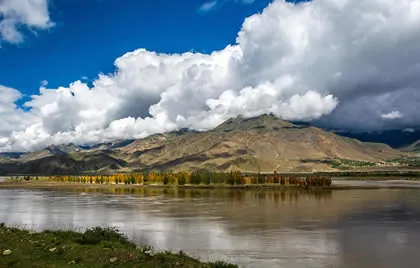
The Mekong's journey traces a path from the high Tibetan Plateau down to the lush, fertile plains of southern Vietnam. This river has shaped the destiny of empires and remains a vital corridor for trade. Exploring the Classic Mekong route provides a window into this complex history where colonial architecture meets vibrant floating markets, offering a deep look into how the river continues to sustain millions of lives today.
The Red River: The Cradle of Northern Culture
In the north, the Red River flows through the Tonkin region, winding past historic villages that have stood for a millennium. This area is often considered the birthplace of Vietnamese civilization. An expedition like the Halong Bay & Red River route reveals a different side of the country. It moves beyond the coast into the interior, where ancient temples and traditional craft villages offer a quiet, profound connection to the nation's origins.
Choosing Your Route
Selecting the right Vietnam river cruise requires an understanding of the geographical and cultural divide between the north and the south. It's a choice between two distinct worlds. While the Mekong Delta offers a landscape of emerald rice paddies, vibrant floating markets, and decaying colonial architecture, the Red River presents a more rugged terrain characterized by tribal heritage. Seasonal shifts also play a role; the southern monsoon cycle affects water levels differently from the northern temperate patterns. For those seeking to bridge the gap between nations, a journey from Saigon to Phnom Penh reveals the shared history of the lower river basin.
Atmosphere and Landscape
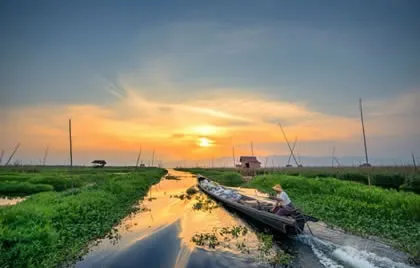
The south is defined by tropical abundance and the slow, wide flow of the delta. It's a place where life is lived entirely on the water, from the morning markets to the evening sampans. In contrast, the north is home to dramatic limestone karsts and misty peaks that rise sharply from the riverbanks. Navigating the 'Bay of Descending Dragons' during a northern Vietnam river cruise provides a sense of maritime lore that feels worlds away from the sun-drenched, palm-fringed channels of the Mekong.
Cultural Encounters
Artisan traditions thrive in the north, where villages have specialized in ceramics, silk, and woodcarving for generations. These communities offer a quiet look at the nation's foundational culture. The south focuses more on the kinetic energy of river trade and the remnants of Indochina's colonial past. Exploring Halong Bay & the Red River allows you to walk through these ancient craft communities and connect with the local artisans.
The Spirit of Exploration on a Small-Ship Expedition
Discovery along these historic waterways depends entirely on the vessel's ability to navigate where others cannot. A Vietnam river cruise on a shallow-draft ship offers a distinct advantage, allowing access to secluded villages and narrow channels that remain closed to larger, more cumbersome vessels. These ships don't require high-tech ports; they can often moor directly against a remote riverbank, placing you mere steps away from communities that rarely see outside visitors. This technical capability isn't just a matter of convenience. It's the foundation of an expedition that prioritizes depth over distance.
An Atmosphere of Nostalgia
Life on board evokes the romance of a bygone era, where travel was a slow, tactile experience. The presence of hand-finished teak decks and polished brass fittings creates an environment of quiet elegance that honors maritime heritage. There's no loud entertainment or staged programming; instead, the focus remains on the unfolding landscape and the people you meet along the way. Whether navigating the channels of the Red River Delta or the vast reaches of the south, the intimacy of a small ship fosters a shared sense of curiosity among travelers. Expert guides and locally hired crews provide the stories and regional insights that transform a simple journey into a deep cultural encounter.
A Legacy of Discovery on the Water
Choosing to explore Vietnam by its historic rivers is a commitment to seeing the country at its most authentic. From the silty, sun-drenched channels of the south to the misty, ancient valleys of the north, the water provides a narrative that roads cannot match. By opting for a smaller, specialized vessel, you ensure that your journey remains intimate and focused on the people and traditions that have flourished along these banks for centuries. It's a way of traveling that respects the pace of local life while offering unparalleled access to the heart of the landscape.
As a pioneer of river expeditions since 1995, Pandaw remains dedicated to the spirit of exploration. Our handcrafted teak and brass fleet offers more than just a place to rest; it provides a gateway to secluded villages and expert-led cultural immersion that larger ships cannot reach. This is the art of slow travel, where the destination is understood through its stories rather than just its sights. We invite you to step away from the crowded paths and experience the quiet brilliance of the river.
Explore our handcrafted Vietnam river expeditions and begin your own chapter of discovery.
Frequently Asked Questions
What is the best time of year for a Vietnam river cruise?
The ideal window for a Vietnam river cruise generally falls between October and April, when the weather is at its most stable across both northern and southern regions. In the south, this dry season avoids the heavy monsoon rains and high humidity of the summer months. In the north, the winter period from November to February brings cooler temperatures and a beautiful morning mist to the landscape, though it's noticeably crisper than the tropical Mekong.
How do small ships differ from larger river vessels in the Mekong Delta?
Small ships offer a distinct advantage through their shallow-draft design, which allows them to navigate narrow channels and moor directly at remote village banks. Larger vessels are often restricted to the main industrial waterways and deep-water ports. By choosing a smaller craft, you trade the crowds and staged entertainment of a large ship for an intimate atmosphere that prioritizes cultural connection and access to secluded communities that remain unreachable by land.
Do I need a visa for a cross-border cruise between Vietnam and Cambodia?
Yes, most travelers require separate visas for both nations when taking a Vietnam river cruise that crosses the border. As of 2026, Vietnam's e-visa is available for 90 days and is accepted at river checkpoints. For Cambodia, a visa-on-arrival is the standard procedure at the river border. Travelers need to have a passport valid for at least six months beyond their travel dates and containing at least two blank pages.
What should I pack for an expedition along the Red River?
Packing for the north requires more versatility than the south due to the cooler temperate climate. Lightweight, breathable fabrics are best for daytime excursions, but a warm jacket or fleece is necessary for the misty mornings and cooler evenings between November and March. You'll also need sturdy, comfortable walking shoes for exploring rural villages and ancient pagodas. Modest clothing that covers the shoulders and knees is required when visiting local temples and spiritual sites.