Vietnamese New Year: A Guide to Tet Traditions and River Celebrations
While the neon lights of Ho Chi Minh City and the bustling streets of Hanoi are the biggest draw for travelers, the best place to celebrate the Vietnamese New Year is often along the quiet banks of its historic rivers. It's a common assumption that the city center is the place to be, but the frantic pace of urban celebrations can often obscure the very traditions you've come to witness.
We understand that you seek a deeper connection to the places you visit, away from the typical tourist trails. This guide explores how a river-based perspective provides a tranquil alternative to the city chaos, allowing the stories of the Mekong and the Red River to unfold at a natural, rhythmic pace. From the morning mist on the water to the golden light of ancestral altars, we'll help you find the intimacy and heritage that make this festival truly unforgettable.
The Essence of Tết Nguyên Đán: Vietnam’s Spiritual Rebirth
Tết Nguyên Đán represents a profound spiritual rebirth rooted in centuries of agrarian heritage. Translated as the "Feast of the First Morning," it marks the precise moment when the old year exhales its last breath and the new year begins its first. This transition officially begins with the departure of the Kitchen Gods, Ong Cong and Ong Tao, who ascend to the Jade Emperor on the 23rd day of the 12th lunar month to report on the family's deeds. Families release golden carp into local waterways, such as those explored on our Red River & Halong Bay expedition, to serve as celestial steeds for these deities. This ritual initiates a period of intense physical and spiritual cleaning. Sweeping the house is more than a chore; it's a symbolic act of clearing away the misfortunes of the past to make room for the prosperity of the Vietnamese New Year.
The Lunar Calendar: Key Dates for Travellers
The first day of the Vietnamese New Year is typically in mid-February. Travelers should prepare for a significant shift in the country's rhythm during the nine-day public holiday period. While the days leading up to the festival are frantic with market activity and floral displays, the first three days of the new year are traditionally quiet. Families retreat to their ancestral homes, and many shops close their doors to focus on private rituals and reunions. This is a time of "quiet days," where the focus shifts from the public square to the intimacy of the family hearth.
Spiritual Symbols: From Altar Offerings to Five-Fruit Trays
At the center of every home sits the Mâm Ngũ Quả, or five-fruit tray. This vibrant display represents the five essential elements of oriental philosophy: Metal, Wood, Water, Fire, and Earth. Each fruit is chosen for its color and symbolic meaning, such as the green of a pomelo or the red of a dragon fruit, creating a visual prayer for health and abundance. This offering, placed carefully on the family altar, serves as a bridge to the past. Ancestor worship remains the quiet, respectful core of the celebration. The living invite the spirits of their forebears to join the festivities, ensuring that the heritage of the family remains unbroken through the generations.
Regional Rhythms: Traditions from the Red River to the Mekong Delta
The geography of Vietnam dictates how the Vietnamese New Year is celebrated. In the north, the festival unfolds amidst a cool, ethereal mist that clings to the riverbanks. In the south, the celebration is bathed in golden sunlight. This climatic shift shapes every aspect of the holiday, from the blossoms on the altar to the dishes served at the family table. Central to this period is the practice of Tết traditions and celebrations, where food and family reunion take center stage in every household.
One universal custom is "Xông đất," or the practice of the first footer. The first person to cross a household's threshold after midnight on New Year's Eve determines the family's luck for the next twelve months. It's common for families to carefully select a guest whose zodiac sign aligns favorably to ensure a prosperous cycle of energy and progress.
The North: Peach Blossoms and the Red River
In the northern provinces, the delicate pink Hoa Đào (peach blossom) is the quintessential symbol of spring. These hardy trees thrive in the crisp air of the Halong Bay & the Red River region. Here, the culinary tradition centers on Banh Chung, a square cake of glutinous rice, mung beans, and pork wrapped in dong leaves. Its shape represents the Earth, serving as a grounding element for the year ahead.
The South: Apricot Blossoms and Mekong Abundance
Travel south to the Classic Mekong Delta, and the palette shifts to the vibrant yellow of Hoa Mai (apricot blossoms). These flowers represent wealth and prosperity. In the weeks before the festival, the Mekong becomes a floating garden. Barges laden with flowers navigate the waterways, creating a moving tapestry of color. The southern culinary counterpart is Banh Tet, a cylindrical rice cake that mirrors the region's fluid, river-centric lifestyle. Witnessing these traditions from the deck of a small ship offers a perspective on the Vietnamese New Year that land-based travel cannot match. Exploring these waterways provides a sense of intimacy and discovery that defines the spirit of the season.
A River Perspective: Navigating the New Year in 2026
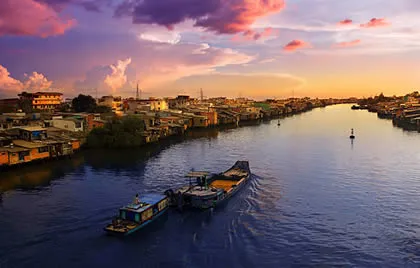
While land-based travel during the holiday period can be defined by crowded rail networks and high domestic airfares, the river offers a sanctuary of calm. Navigating the waterways during the Vietnamese New Year allows you to witness the festival's intensity without the frantic congestion of the city centers. Our shallow-draft ships possess the unique capability to reach secluded riverside communities where traditions remain intimate and undisturbed by mass tourism. While city businesses may pause for the nine-day public holiday, life on the river continues its ancient cycle, providing a constant, living window into the heart of the celebration.
The Floating Markets at Tet
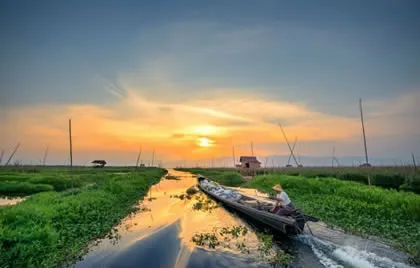
The weeks leading up to Tet show the Mekong’s floating markets at their peak capacity. It's an extraordinary spectacle where the water itself seems to disappear beneath a carpet of flowers and seasonal fruits. Vendors tie samples of their wares to tall bamboo poles, creating a forest of colors against the morning mist. Capturing the golden light as it hits the vibrant yellow apricot blossoms on a passing barge is an experience that land travelers often miss. It's a time of high energy and purposeful trade.
Planning Your 2026 Expedition
Choosing a Saigon to Phnom Penh route offers a fascinating study in cultural transition. You'll observe the crescendo of the Vietnamese New Year before crossing into Cambodia, where the pace shifts and the landscape offers a tranquil counterpoint to the festival's peak. This cross-border perspective helps avoid the festival fatigue that can occur when staying in a single location during the height of the closures. By combining cultural immersion in remote villages with the quiet solitude of the river, you gain a deep understanding of the region's heritage without the stress of navigating the holiday's logistical hurdles.
A New Cycle of Discovery Along the Historic Waterways
The Vietnamese New Year offers a rare opportunity to witness a nation in a state of spiritual transition. By moving beyond the busy city centers, you can experience the true essence of the festival through the quiet rituals of riverside villages and the vibrant energy of floating flower markets. This journey is about more than just sightseeing; it's about connecting with a heritage that has flowed along these rivers for centuries. Our small ships provide the intimacy required for such cultural encounters, bringing you closer to local communities that larger vessels cannot reach. With the guidance of our expert local teams, you'll gain deep insights into the nuances of each tradition, from the ancestor worship in the North to the sun-drenched abundance of the Mekong Delta. We invite you to explore our 2026 Mekong and Red River expeditions for an authentic Tet experience. Let the slow, rhythmic pace of the river be your guide as you discover the heart of Vietnam during its most sacred season.
Frequently Asked Questions
Is it a good idea to visit Vietnam during the Vietnamese New Year?
Visiting during the Vietnamese New Year offers cultural access for those who value heritage over simple sightseeing. While city centers face high hotel occupancy and increased airfares, the atmosphere is electric with preparation and spiritual renewal. Choosing a river expedition allows you to observe these traditions from a position of tranquility, avoiding the logistical strain felt on land. It's an ideal time for travelers seeking a deep, atmospheric connection with Vietnam's living history.
What traditional foods should I try during the Vietnamese New Year?
You should prioritize tasting Banh Chung and Banh Tet, the iconic rice cakes that define the holiday season. Banh Chung is a square, savory cake from the North, while Banh Tet is its cylindrical Southern counterpart. Both are crafted from glutinous rice, mung beans, and pork wrapped in leaves. You might also encounter "mut," which are colorful candied fruits served to guests, and the vibrant five-fruit trays that grace family altars across the country.
Will everything be closed during Tet, and how does this affect a river cruise?
Most shops, museums, and local restaurants in major cities close for the first three days of the Vietnamese New Year. However, a river expedition remains largely unaffected by these closures. Our vessels operate as self-contained sanctuaries of hospitality, and the riverside villages we visit continue their traditional celebrations. You'll witness the intimate side of the festival, such as family gatherings and temple visits, which are often more rewarding than standard tourist attractions.